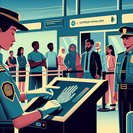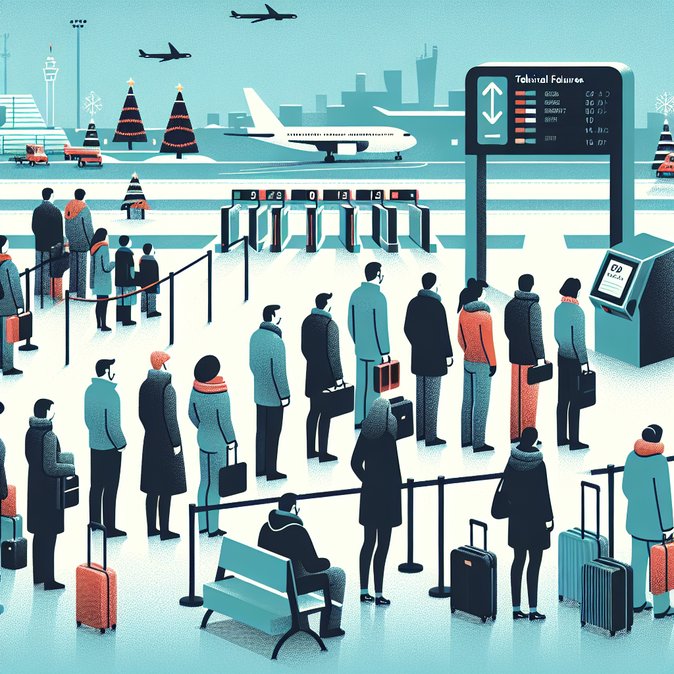
In a blunt statement issued on 19 December, Airports Council International (ACI) Europe said the current implementation timetable for the EU’s Entry/Exit System creates “serious safety hazards” after reports of three-hour passport queues at Prague, Lisbon and Lanzarote.
Under EES, visa-exempt third-country nationals must register four fingerprints and a live photo the first time they cross an external Schengen border. Prague Airport, however, admits that only one in ten travellers is currently processed through kiosks because of patchy Wi-Fi, staffing gaps and software freezes—far below the 35 % utilisation target for early January 2026.
![Airports Warn of ‘Serious Safety Hazards’ as EES Glitches Hit Prague and EU Peers]()
ACI says some airports may be forced to deactivate EES during the Christmas peak to prevent dangerous overcrowding in non-EU arrival halls. Airlines have already begun lengthening minimum connection times and, in some cases, refuse to sell itineraries with tight layovers in Prague and Vienna. Travel-management companies are urging clients to route staff via intra-Schengen hubs or postpone trips until after the holidays.
For travellers anxious about meeting the new Schengen entry requirements—or securing the right documents for future business trips—VisaHQ (https://www.visahq.com/czech-republic/) offers an easy online platform that pre-screens passports, flags potential compliance issues and can arrange fast-track appointments with Czech consulates. Corporate travel managers can monitor multiple applications in one dashboard, helping minimise the risk of last-minute surprises at busy border checkpoints.
The Czech Ministry of the Interior insists the country remains on track for the April deadline but conceded it will recruit 120 temporary border officers and rent mobile kiosks to boost capacity. Companies should brief travellers about possible sudden shutdowns, ensure passports are machine-readable and advise itineraries that avoid external-Schengen transfers where possible.
Under EES, visa-exempt third-country nationals must register four fingerprints and a live photo the first time they cross an external Schengen border. Prague Airport, however, admits that only one in ten travellers is currently processed through kiosks because of patchy Wi-Fi, staffing gaps and software freezes—far below the 35 % utilisation target for early January 2026.
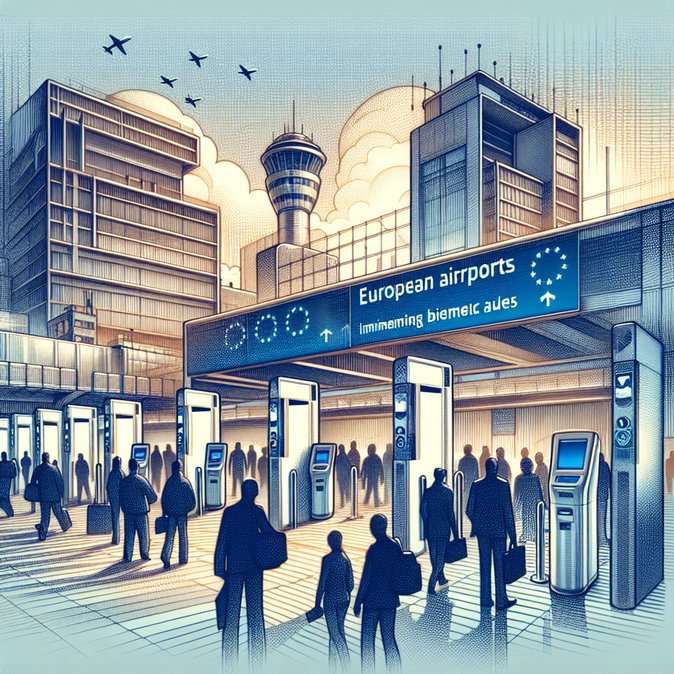
ACI says some airports may be forced to deactivate EES during the Christmas peak to prevent dangerous overcrowding in non-EU arrival halls. Airlines have already begun lengthening minimum connection times and, in some cases, refuse to sell itineraries with tight layovers in Prague and Vienna. Travel-management companies are urging clients to route staff via intra-Schengen hubs or postpone trips until after the holidays.
For travellers anxious about meeting the new Schengen entry requirements—or securing the right documents for future business trips—VisaHQ (https://www.visahq.com/czech-republic/) offers an easy online platform that pre-screens passports, flags potential compliance issues and can arrange fast-track appointments with Czech consulates. Corporate travel managers can monitor multiple applications in one dashboard, helping minimise the risk of last-minute surprises at busy border checkpoints.
The Czech Ministry of the Interior insists the country remains on track for the April deadline but conceded it will recruit 120 temporary border officers and rent mobile kiosks to boost capacity. Companies should brief travellers about possible sudden shutdowns, ensure passports are machine-readable and advise itineraries that avoid external-Schengen transfers where possible.