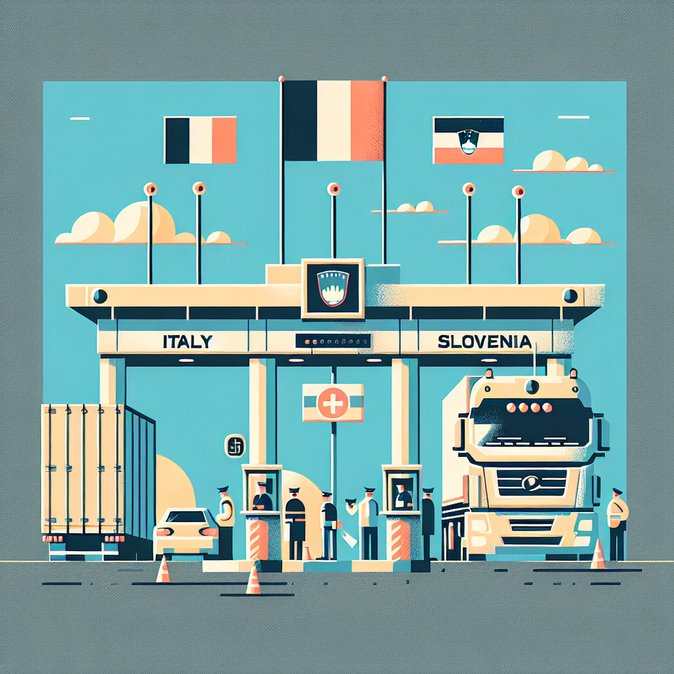
Slovenian police recorded 25,580 unauthorised border crossings in the first eleven months of 2025—more than 40 % fewer than the same period last year—according to figures reported by STA and relayed by Italy’s ANSA news agency on 18 December. The sharp decline is good news for Italy’s Friuli-Venezia Giulia region, which has grappled with overflow arrivals since Rome reinstated border checks in late 2024.
Afghan, Egyptian and Bangladeshi nationals remain the top three groups intercepted, but tighter upstream policing and new deportation agreements appear to be dampening flows. Italian hot-line officials told VisaHQ that the lower numbers have already reduced wait times at staffed crossings and eased accommodation bottlenecks in Gorizia and Trieste.
![40 % fall in irregular crossings at Slovenian frontier eases pressure on Italy’s North-East]()
For businesses, fewer spontaneous arrivals translate into less disruption for local public services and a reduced likelihood that Rome will escalate emergency measures such as mass-transfer orders or expanded police zones that complicate site access for international staff. However, the Interior Ministry cautions that numbers could rebound in spring and has not signalled any intention to lift the current border-control regime.
Companies and individual travellers who need to secure the appropriate paperwork before entering Italy can streamline the process through VisaHQ’s dedicated portal (https://www.visahq.com/italy/). The platform offers real-time updates on visa requirements, step-by-step application guides and optional courier services, helping mobility managers keep assignments on schedule even while on-the-ground controls remain tight.
Mobility teams with facilities in the North-East should continue to brief expatriates on ID-check procedures and stay alert to weekend surges when smugglers tend to test patrol patterns. HR departments might also monitor regional hiring channels: a dip in irregular entries could drive some employers back to the formal quota system, boosting competition for the 2026-28 work-permit allotments.
Afghan, Egyptian and Bangladeshi nationals remain the top three groups intercepted, but tighter upstream policing and new deportation agreements appear to be dampening flows. Italian hot-line officials told VisaHQ that the lower numbers have already reduced wait times at staffed crossings and eased accommodation bottlenecks in Gorizia and Trieste.
For businesses, fewer spontaneous arrivals translate into less disruption for local public services and a reduced likelihood that Rome will escalate emergency measures such as mass-transfer orders or expanded police zones that complicate site access for international staff. However, the Interior Ministry cautions that numbers could rebound in spring and has not signalled any intention to lift the current border-control regime.
Companies and individual travellers who need to secure the appropriate paperwork before entering Italy can streamline the process through VisaHQ’s dedicated portal (https://www.visahq.com/italy/). The platform offers real-time updates on visa requirements, step-by-step application guides and optional courier services, helping mobility managers keep assignments on schedule even while on-the-ground controls remain tight.
Mobility teams with facilities in the North-East should continue to brief expatriates on ID-check procedures and stay alert to weekend surges when smugglers tend to test patrol patterns. HR departments might also monitor regional hiring channels: a dip in irregular entries could drive some employers back to the formal quota system, boosting competition for the 2026-28 work-permit allotments.