After ten days of escalating tractor blockades over lumpy-skin-disease culling rules and the stalled EU-Mercosur trade deal, Prime Minister Sébastien Lecornu met farm-union leaders on 20 December, offering a five-page action plan and calling for a holiday cease-fire. Smaller unions rejected the overture, vowing to let local chapters decide whether to maintain pressure.
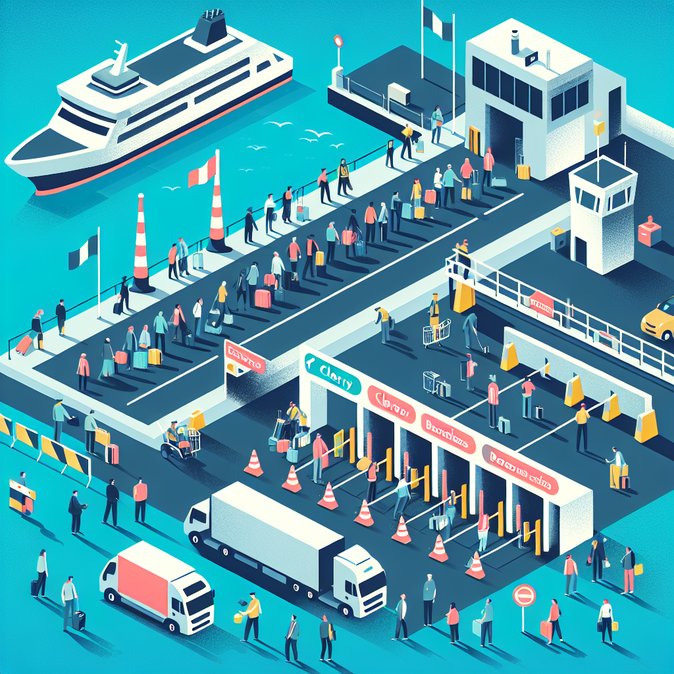
Blockades have already forced lorries onto secondary roads, delayed regional buses and sparked a spike in ski-trip cancellations amid uncertainty over motorway access. Freight forwarders estimate rerouting via minor roads adds €250 per container from Atlantic ports to Rhône-Alpes warehouses.
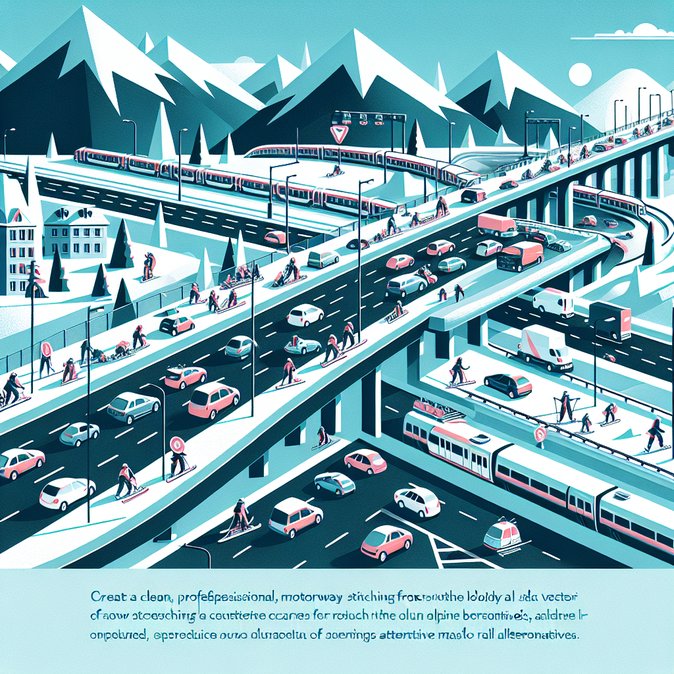
The Interior Ministry has deployed 80,000 officers to keep strategic corridors open and warns it will clear barricades if farmers attempt to shut the A6 or A10 during the peak 22-24 December window. Mobility managers are monitoring real-time closure maps, shifting staff transfers to rail or regional air, though those networks are simultaneously strained by strikes.
![Government pleads for ‘Christmas truce’ as farmer blockades threaten national road network]()
For international assignees arriving over the break, advisers recommend carrying assignment letters and proof of residence in case police checkpoints divert traffic off motorways. Companies with temperature-sensitive cargo are chartering cold-chain trucks via Spain or Belgium to bypass hotspots.
Travellers juggling these uncertainties can simplify at least one piece of the puzzle by using VisaHQ’s online service, which processes French visas and passport renewals entirely remotely. The platform (https://www.visahq.com/france/) lets users confirm entry requirements, upload documents and schedule courier pickup, helping corporate mobility teams and holidaymakers avoid extra trips to consulates while road and rail links remain unpredictable.
If talks fail, unions may escalate protests in January, coinciding with a threatened four-day ATC strike—raising the prospect of multi-modal disruption that could echo the gilets jaunes crisis of 2018-19.
Blockades have already forced lorries onto secondary roads, delayed regional buses and sparked a spike in ski-trip cancellations amid uncertainty over motorway access. Freight forwarders estimate rerouting via minor roads adds €250 per container from Atlantic ports to Rhône-Alpes warehouses.
The Interior Ministry has deployed 80,000 officers to keep strategic corridors open and warns it will clear barricades if farmers attempt to shut the A6 or A10 during the peak 22-24 December window. Mobility managers are monitoring real-time closure maps, shifting staff transfers to rail or regional air, though those networks are simultaneously strained by strikes.

For international assignees arriving over the break, advisers recommend carrying assignment letters and proof of residence in case police checkpoints divert traffic off motorways. Companies with temperature-sensitive cargo are chartering cold-chain trucks via Spain or Belgium to bypass hotspots.
Travellers juggling these uncertainties can simplify at least one piece of the puzzle by using VisaHQ’s online service, which processes French visas and passport renewals entirely remotely. The platform (https://www.visahq.com/france/) lets users confirm entry requirements, upload documents and schedule courier pickup, helping corporate mobility teams and holidaymakers avoid extra trips to consulates while road and rail links remain unpredictable.
If talks fail, unions may escalate protests in January, coinciding with a threatened four-day ATC strike—raising the prospect of multi-modal disruption that could echo the gilets jaunes crisis of 2018-19.