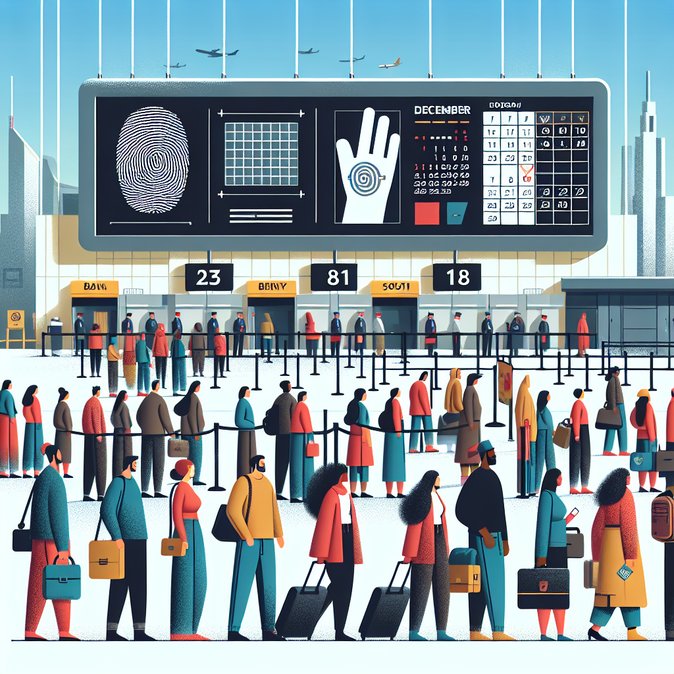
Passengers arriving at and departing from Václav Havel Airport on 19 December found themselves in lines that snaked the length of the terminal after the EU’s new Entry/Exit System (EES) suffered another systems failure during peak morning traffic.
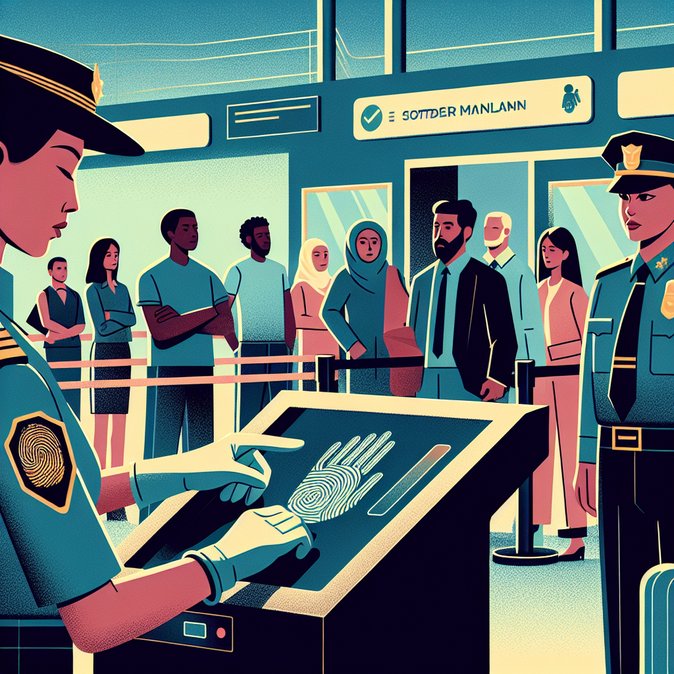
The biometric regime, which has been in pilot operation at Czech border posts since October, requires visa-exempt third-country nationals to enrol fingerprints and a facial image at a self-service kiosk before approaching the manual passport desk. When the kiosks froze on Friday, Foreign Police officers were forced to capture biometrics manually, tripling per-passenger processing time. Airport officials said it took up to three hours to clear the non-EU queue, while EU/EEA lanes moved normally.
![EES outage triggers three-hour passport queues at Prague Airport ahead of Christmas rush]()
If you’re unsure about your documentation or whether these biometric rules apply to you, VisaHQ’s Czech Republic portal (https://www.visahq.com/czech-republic/) lets travelers check visa requirements, complete applications online, and receive real-time status updates, helping to streamline the pre-departure process and avoid last-minute surprises.
Airlines reported dozens of missed connections and at least two long-haul departures were delayed to wait for connecting passengers. Corporate travel managers have been advised to add an extra 90 minutes to normal airport arrival recommendations and to re-check minimum connection times for itineraries through Prague, Vienna and other Central-European hubs that share the same EES software build.
The incident comes just four months before the system becomes mandatory across all Schengen external borders on 10 April 2026. ACI Europe, the airports’ trade body, has demanded a ‘realistic’ rollout timetable; Prague Airport says it will hire 60 temporary border assistants and install 20 additional kiosks by mid-January. Mobility teams are urged to brief travellers on the possibility of sudden outages, ensure passports have at least two blank pages for emergency stamping, and budget for potential overtime costs if staff are delayed.
The biometric regime, which has been in pilot operation at Czech border posts since October, requires visa-exempt third-country nationals to enrol fingerprints and a facial image at a self-service kiosk before approaching the manual passport desk. When the kiosks froze on Friday, Foreign Police officers were forced to capture biometrics manually, tripling per-passenger processing time. Airport officials said it took up to three hours to clear the non-EU queue, while EU/EEA lanes moved normally.

If you’re unsure about your documentation or whether these biometric rules apply to you, VisaHQ’s Czech Republic portal (https://www.visahq.com/czech-republic/) lets travelers check visa requirements, complete applications online, and receive real-time status updates, helping to streamline the pre-departure process and avoid last-minute surprises.
Airlines reported dozens of missed connections and at least two long-haul departures were delayed to wait for connecting passengers. Corporate travel managers have been advised to add an extra 90 minutes to normal airport arrival recommendations and to re-check minimum connection times for itineraries through Prague, Vienna and other Central-European hubs that share the same EES software build.
The incident comes just four months before the system becomes mandatory across all Schengen external borders on 10 April 2026. ACI Europe, the airports’ trade body, has demanded a ‘realistic’ rollout timetable; Prague Airport says it will hire 60 temporary border assistants and install 20 additional kiosks by mid-January. Mobility teams are urged to brief travellers on the possibility of sudden outages, ensure passports have at least two blank pages for emergency stamping, and budget for potential overtime costs if staff are delayed.