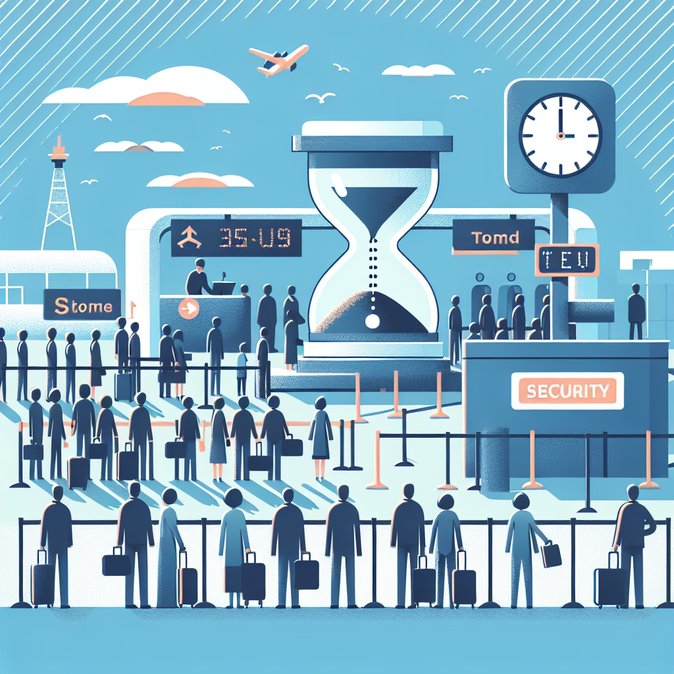
Italian airport operators are calling for emergency measures after the EU’s new Entry/Exit System (EES) produced queues of up to three hours at several European hubs only two months into its phased roll-out. According to a 18 December exposé in Corriere della Sera, ACI Europe—representing 500 airports—has warned the European Commission that processing times for non-EU travellers have risen by 70 % since biometric kiosks went live on 12 October.
While the worst congestion has hit Lisbon and Prague, Italian gateways such as Rome Fiumicino, Milan Malpensa and Venice Marco Polo fear similar bottlenecks when their kiosks move from the current 10 % test throughput to 35 % in early January. Unions report that some EES stations crash under high load, forcing officers to switch back to manual stamping. ACI Europe says it may ask member states to deactivate EES during the Christmas peak unless software and staffing issues are fixed.
For corporates relocating staff to Italy, the stakes are high: missed connections can trigger duty-of-care liabilities, and longer dwell times erode productivity. Travel managers should advise assignees to build in extra layover margins and ensure passports have machine-readable zones in good condition; damaged documents are more likely to be diverted to manual controls.
![Italy’s Airports Brace for Schengen Entry/Exit System After Three-Hour Queues Trigger Industry Alarm]()
At this point, partnering with a specialist such as VisaHQ can help smooth the journey. Through its Italy portal (https://www.visahq.com/italy/), travellers can verify entry rules, renew passports, and arrange courier processing ahead of departure—steps that minimise the risk of delays when automated kiosks falter and keep mobility programmes running on schedule.
The Interior Ministry told Corriere it has hired 300 additional border-police agents and fast-tracked maintenance contracts for Fiumicino’s 60 automated gates. Nevertheless, contingency plans include reopening dormant manual booths and staggering flight banks.
Full EES implementation is scheduled for April 2026, with a mobile pre-enrolment app under study to capture fingerprints before airport arrival. Until then, Italy’s airports will operate in hybrid mode, demanding close monitoring by global mobility teams.
While the worst congestion has hit Lisbon and Prague, Italian gateways such as Rome Fiumicino, Milan Malpensa and Venice Marco Polo fear similar bottlenecks when their kiosks move from the current 10 % test throughput to 35 % in early January. Unions report that some EES stations crash under high load, forcing officers to switch back to manual stamping. ACI Europe says it may ask member states to deactivate EES during the Christmas peak unless software and staffing issues are fixed.
For corporates relocating staff to Italy, the stakes are high: missed connections can trigger duty-of-care liabilities, and longer dwell times erode productivity. Travel managers should advise assignees to build in extra layover margins and ensure passports have machine-readable zones in good condition; damaged documents are more likely to be diverted to manual controls.

At this point, partnering with a specialist such as VisaHQ can help smooth the journey. Through its Italy portal (https://www.visahq.com/italy/), travellers can verify entry rules, renew passports, and arrange courier processing ahead of departure—steps that minimise the risk of delays when automated kiosks falter and keep mobility programmes running on schedule.
The Interior Ministry told Corriere it has hired 300 additional border-police agents and fast-tracked maintenance contracts for Fiumicino’s 60 automated gates. Nevertheless, contingency plans include reopening dormant manual booths and staggering flight banks.
Full EES implementation is scheduled for April 2026, with a mobile pre-enrolment app under study to capture fingerprints before airport arrival. Until then, Italy’s airports will operate in hybrid mode, demanding close monitoring by global mobility teams.