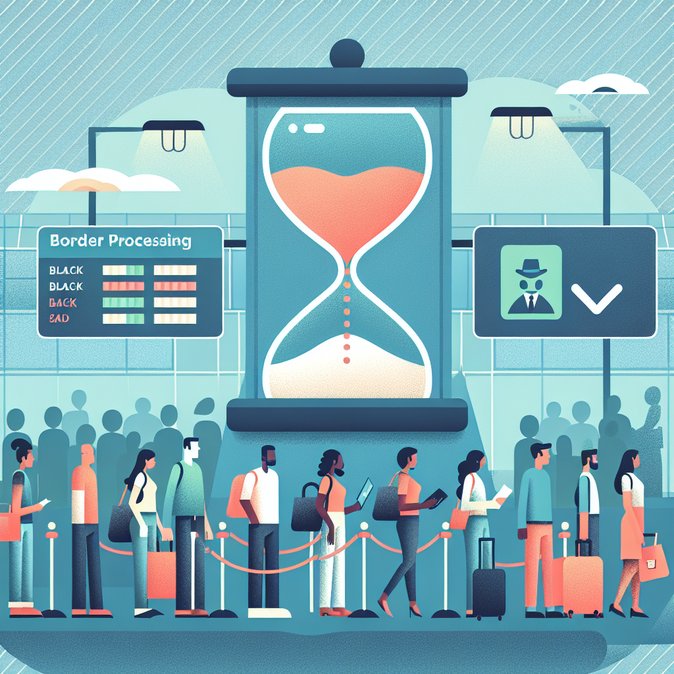
Airport Council International (ACI) Europe sounded the alarm on Friday, warning that the EU’s new Schengen Entry-Exit System (EES) is already generating border queues of up to three hours, even though only 10 % of third-country travellers are currently being processed through the biometric kiosks. French airports—particularly Paris-CDG, Lyon and Nice—are among those reporting 70 % longer processing times.
ACI says technical glitches, frequent system outages and a lack of fully functioning self-service kiosks are at the heart of the chaos. Staff shortages compound the problem, while the promised mobile pre-registration app has yet to materialise. The association fears a “systemic breakdown” when the registration threshold rises to 35 % on 9 January.
For corporates, the operational impact is immediate: executives have missed onward connections, crews have breached duty-time limits, and assignees on short-stay visas have found themselves stuck in immigration lines that eat into the 90-day Schengen allowance. Several mobility teams are now instructing travellers to build a four-hour buffer into arrival schedules and to keep boarding passes as evidence if overstays occur.
![Airports Urge Brussels to Fix Entry-Exit System as Queues Hit Three Hours]()
Against this backdrop, travel managers are increasingly leaning on expert visa facilitators like VisaHQ to keep trips on track. Via its dedicated France portal (https://www.visahq.com/france/), VisaHQ pre-screens travel documents, expedites visa requests and issues live compliance alerts—services that can mitigate the knock-on effects of EES delays and help travellers avoid inadvertent Schengen overstays.
While ACI continues to back the security objectives of EES, it is calling on the European Commission and eu-LISA to slow the roll-out, deploy more border guards and fast-track the mobile enrolment tool.
Unless changes are made within weeks, French business-travel stakeholders warn that "border mayhem" could deter investors and tarnish France’s reputation ahead of major 2026 sporting events.
ACI says technical glitches, frequent system outages and a lack of fully functioning self-service kiosks are at the heart of the chaos. Staff shortages compound the problem, while the promised mobile pre-registration app has yet to materialise. The association fears a “systemic breakdown” when the registration threshold rises to 35 % on 9 January.
For corporates, the operational impact is immediate: executives have missed onward connections, crews have breached duty-time limits, and assignees on short-stay visas have found themselves stuck in immigration lines that eat into the 90-day Schengen allowance. Several mobility teams are now instructing travellers to build a four-hour buffer into arrival schedules and to keep boarding passes as evidence if overstays occur.

Against this backdrop, travel managers are increasingly leaning on expert visa facilitators like VisaHQ to keep trips on track. Via its dedicated France portal (https://www.visahq.com/france/), VisaHQ pre-screens travel documents, expedites visa requests and issues live compliance alerts—services that can mitigate the knock-on effects of EES delays and help travellers avoid inadvertent Schengen overstays.
While ACI continues to back the security objectives of EES, it is calling on the European Commission and eu-LISA to slow the roll-out, deploy more border guards and fast-track the mobile enrolment tool.
Unless changes are made within weeks, French business-travel stakeholders warn that "border mayhem" could deter investors and tarnish France’s reputation ahead of major 2026 sporting events.