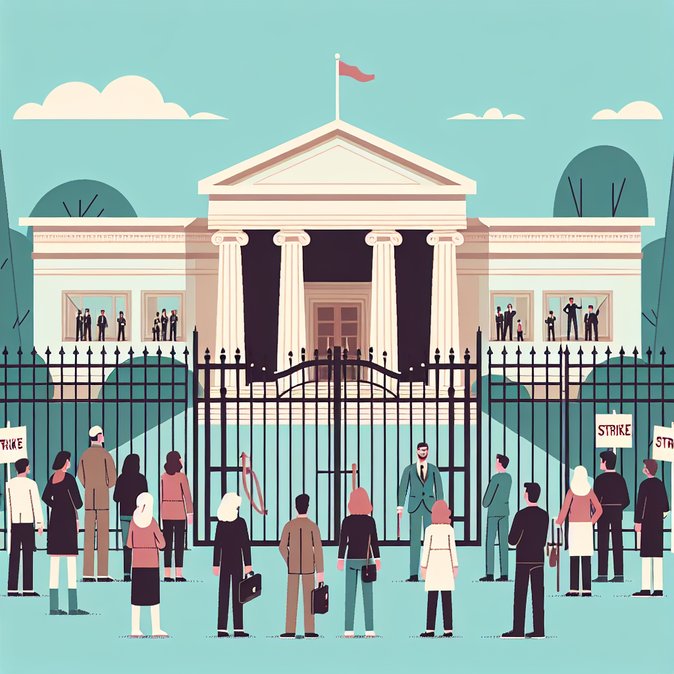
After three days of shutdown, the Louvre partially reopened on 17 December, allowing tourists to view the Mona Lisa and Winged Victory while most other rooms stayed dark. Staff had just voted unanimously to extend an industrial action over pay, hiring levels and building safety that began on 15 December, following an €88-million jewel heist and a damaging water leak that exposed infrastructure gaps.
The museum normally welcomes around 30,000 visitors daily—many on business-trip stopovers—so partial access still leaves thousands scrambling to adjust itineraries. Tour operators reported rerouting groups to Orsay and Versailles, while conference organisers warned VIP networking events scheduled in the Louvre’s reception halls could face last-minute venue switches.
Before locking in alternative museum stops, international visitors should also verify that their travel documents are in order. Digital concierge services such as VisaHQ can arrange French visas, extensions and Schengen transit letters in as little as 48 hours, sparing organizers and individual tourists an extra queue; see https://www.visahq.com/france/ for details.
![Louvre reopens iconic galleries but staff prolong pay and safety strike]()
Unions (CGT, CFDT Culture, Sud Solidaires) argue that chronic understaffing leaves galleries unsupervised and security thin. They want 250 new posts, hazard-pay supplements and a €100-million emergency maintenance fund. Management counters that the 2026 Olympic arts programme has already earmarked resources, but senators have summoned director Laurence des Cars for questioning.
For mobility planners the strike is a reminder that cultural venues are integral to France’s MICE (meetings, incentives, conferences, exhibitions) ecosystem. Companies holding product launches or incentive trips must check force-majeure clauses and consider off-site alternatives.
No end-date has been set; unions will meet again on 20 December. Travel insurers say claims for unused Louvre tickets are minor, but lost business opportunities can be substantial, making proactive contingency planning essential.
The museum normally welcomes around 30,000 visitors daily—many on business-trip stopovers—so partial access still leaves thousands scrambling to adjust itineraries. Tour operators reported rerouting groups to Orsay and Versailles, while conference organisers warned VIP networking events scheduled in the Louvre’s reception halls could face last-minute venue switches.
Before locking in alternative museum stops, international visitors should also verify that their travel documents are in order. Digital concierge services such as VisaHQ can arrange French visas, extensions and Schengen transit letters in as little as 48 hours, sparing organizers and individual tourists an extra queue; see https://www.visahq.com/france/ for details.

Unions (CGT, CFDT Culture, Sud Solidaires) argue that chronic understaffing leaves galleries unsupervised and security thin. They want 250 new posts, hazard-pay supplements and a €100-million emergency maintenance fund. Management counters that the 2026 Olympic arts programme has already earmarked resources, but senators have summoned director Laurence des Cars for questioning.
For mobility planners the strike is a reminder that cultural venues are integral to France’s MICE (meetings, incentives, conferences, exhibitions) ecosystem. Companies holding product launches or incentive trips must check force-majeure clauses and consider off-site alternatives.
No end-date has been set; unions will meet again on 20 December. Travel insurers say claims for unused Louvre tickets are minor, but lost business opportunities can be substantial, making proactive contingency planning essential.