Late on 17 December 2025 the Finnish Eduskunta gave final approval to the TYKE reform bill, a comprehensive overhaul of Employment Services that will roll out in stages beginning 1 January 2026. While the legislation affects all job-seekers, several provisions specifically touch recently arrived migrants and residence-permit holders working in Finland.
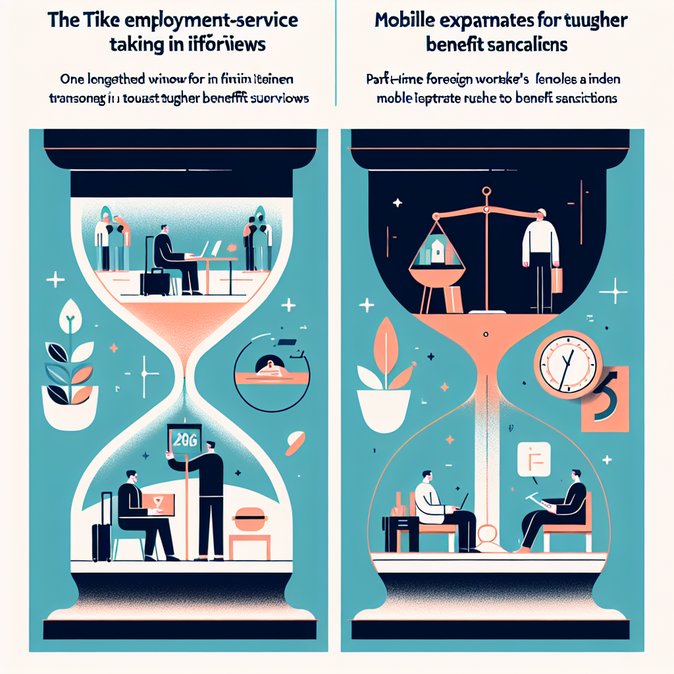
Key changes include: (1) extending the deadline for the mandatory initial interview from five to ten working days, giving newcomers more breathing room to gather documents; (2) replacing fixed monthly check-ins with needs-based “employment discussions,” which authorities say will reduce bureaucracy but also permit stricter sanctions for non-compliance; and (3) requiring part-time employees—including many international students and accompanying spouses—to accept suitable full-time vacancies or risk benefit suspensions.
While local TE services handle employment counselling, many newcomers still grapple with the underlying immigration paperwork. VisaHQ, an independent visa and passport expediting service, can streamline that side of the equation by helping applicants verify entry requirements, renew residence cards, or secure the correct work visa before arrival. Their dedicated Finland page (https://www.visahq.com/finland/) aggregates forms, fees, and real-time processing times, making it easier to stay on top of shifting rules as TYKE phases in.
![Job-Seeker Service Reform Clears Parliament, Reshaping Rules for Foreign Talent from 1 January 2026]()
The reform also shifts the service delivery model from state-run TE Offices to 45 municipal employment areas. Foreign workers who move municipalities must therefore re-register promptly to avoid gaps in benefits. HR teams at multinationals are preparing guidance packs to ensure assignees understand the new obligations, particularly around accepting job offers outside their immediate field.
Critics within labour unions worry that the stronger sanction regime—seven days of benefit loss for a first infraction, six weeks of work duty for repeat cases—could disproportionately hit migrants unfamiliar with Finnish administrative processes. In response, the Ministry of Economic Affairs and Employment will pilot multilingual “digital coaches” on the Job Market Finland platform.
For global mobility managers, the take-away is clear: compliance with job-search obligations will become a more prominent component of assignment support, especially for trailing spouses and graduates on job-seeker permits.
Key changes include: (1) extending the deadline for the mandatory initial interview from five to ten working days, giving newcomers more breathing room to gather documents; (2) replacing fixed monthly check-ins with needs-based “employment discussions,” which authorities say will reduce bureaucracy but also permit stricter sanctions for non-compliance; and (3) requiring part-time employees—including many international students and accompanying spouses—to accept suitable full-time vacancies or risk benefit suspensions.
While local TE services handle employment counselling, many newcomers still grapple with the underlying immigration paperwork. VisaHQ, an independent visa and passport expediting service, can streamline that side of the equation by helping applicants verify entry requirements, renew residence cards, or secure the correct work visa before arrival. Their dedicated Finland page (https://www.visahq.com/finland/) aggregates forms, fees, and real-time processing times, making it easier to stay on top of shifting rules as TYKE phases in.

The reform also shifts the service delivery model from state-run TE Offices to 45 municipal employment areas. Foreign workers who move municipalities must therefore re-register promptly to avoid gaps in benefits. HR teams at multinationals are preparing guidance packs to ensure assignees understand the new obligations, particularly around accepting job offers outside their immediate field.
Critics within labour unions worry that the stronger sanction regime—seven days of benefit loss for a first infraction, six weeks of work duty for repeat cases—could disproportionately hit migrants unfamiliar with Finnish administrative processes. In response, the Ministry of Economic Affairs and Employment will pilot multilingual “digital coaches” on the Job Market Finland platform.
For global mobility managers, the take-away is clear: compliance with job-search obligations will become a more prominent component of assignment support, especially for trailing spouses and graduates on job-seeker permits.