Finland’s most sweeping nationality reform in a generation officially entered into force at midnight on 17 December 2025. From now on, every naturalisation request must be lodged through the Enter Finland portal; paper forms and in-person filings have been abolished. The Finnish Immigration Service (Migri) argues that a single digital workflow—covering fee payment, identity verification, document uploads and electronic signature—will shave roughly two months off current processing times and cut back-office costs by 12 percent.
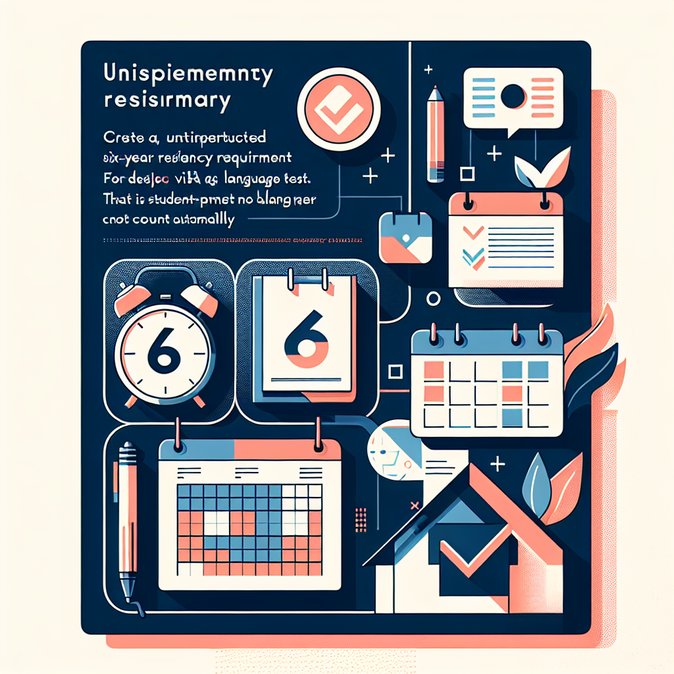
The change, however, is not just procedural. Eligibility thresholds have risen markedly. Applicants must now show uninterrupted, lawful residence of at least six years (previously five) and provide evidence of sustainable earned income that is **not** derived from unemployment benefits or social assistance. Criminality rules have been tightened as well: repeated misdemeanours will trigger a mandatory three-year cooling-off period, while any custodial sentence of six months or more will extend the wait to ten years. In extreme cases involving terrorism, treason or large-scale tax fraud, the Interior Ministry is authorised to revoke citizenship retroactively—powers that have existed on paper since 2019 but have never before been activated.
Prospective applicants who feel daunted by the new digital-only process can seek tailored assistance from VisaHQ. The company’s Finland specialists (https://www.visahq.com/finland/) guide individuals and HR teams through document preparation, certified translations and the Enter Finland portal’s verification steps, helping ensure that submissions meet Migri’s stricter standards the first time around.
![Finland’s New Citizenship Act Goes Live: 100 % Digital Applications, Tougher Criteria]()
For companies that relocate employees to Finland, the stricter economic-self-reliance test will require more careful pre-planning. Global mobility managers are already advising transferees to maintain meticulous payslip records and avoid income gaps; some firms are topping up salaries to ensure workers clear the new net-income floor (€22,560 per adult per year in the capital region). Law firms expect a spike in last-minute filings under the old rules from family members who only recently met the residence requirement.
Because applications are now fully digital, employers can no longer submit bundled paperwork on behalf of groups of employees. Migri insists that the individual-account approach will improve data security and allow applicants to track real-time case status, but stakeholders warn that older migrants with limited digital literacy may struggle. To bridge the gap, several municipalities—Helsinki, Espoo and Tampere among them—have opened “Citizenship Kiosks” staffed by multilingual advisors who help applicants scan documents and navigate two-factor authentication.
In the medium term, the reform aligns Finland with neighbouring Sweden and Denmark, which have both tightened naturalisation pathways in response to domestic debates over integration and security. Nordic business chambers nonetheless applaud Helsinki for coupling tougher rules with clearer service standards. Migri says its key performance indicator will be a 90-day median decision time by June 2026; the current average is 136 days.
The change, however, is not just procedural. Eligibility thresholds have risen markedly. Applicants must now show uninterrupted, lawful residence of at least six years (previously five) and provide evidence of sustainable earned income that is **not** derived from unemployment benefits or social assistance. Criminality rules have been tightened as well: repeated misdemeanours will trigger a mandatory three-year cooling-off period, while any custodial sentence of six months or more will extend the wait to ten years. In extreme cases involving terrorism, treason or large-scale tax fraud, the Interior Ministry is authorised to revoke citizenship retroactively—powers that have existed on paper since 2019 but have never before been activated.
Prospective applicants who feel daunted by the new digital-only process can seek tailored assistance from VisaHQ. The company’s Finland specialists (https://www.visahq.com/finland/) guide individuals and HR teams through document preparation, certified translations and the Enter Finland portal’s verification steps, helping ensure that submissions meet Migri’s stricter standards the first time around.

For companies that relocate employees to Finland, the stricter economic-self-reliance test will require more careful pre-planning. Global mobility managers are already advising transferees to maintain meticulous payslip records and avoid income gaps; some firms are topping up salaries to ensure workers clear the new net-income floor (€22,560 per adult per year in the capital region). Law firms expect a spike in last-minute filings under the old rules from family members who only recently met the residence requirement.
Because applications are now fully digital, employers can no longer submit bundled paperwork on behalf of groups of employees. Migri insists that the individual-account approach will improve data security and allow applicants to track real-time case status, but stakeholders warn that older migrants with limited digital literacy may struggle. To bridge the gap, several municipalities—Helsinki, Espoo and Tampere among them—have opened “Citizenship Kiosks” staffed by multilingual advisors who help applicants scan documents and navigate two-factor authentication.
In the medium term, the reform aligns Finland with neighbouring Sweden and Denmark, which have both tightened naturalisation pathways in response to domestic debates over integration and security. Nordic business chambers nonetheless applaud Helsinki for coupling tougher rules with clearer service standards. Migri says its key performance indicator will be a 90-day median decision time by June 2026; the current average is 136 days.