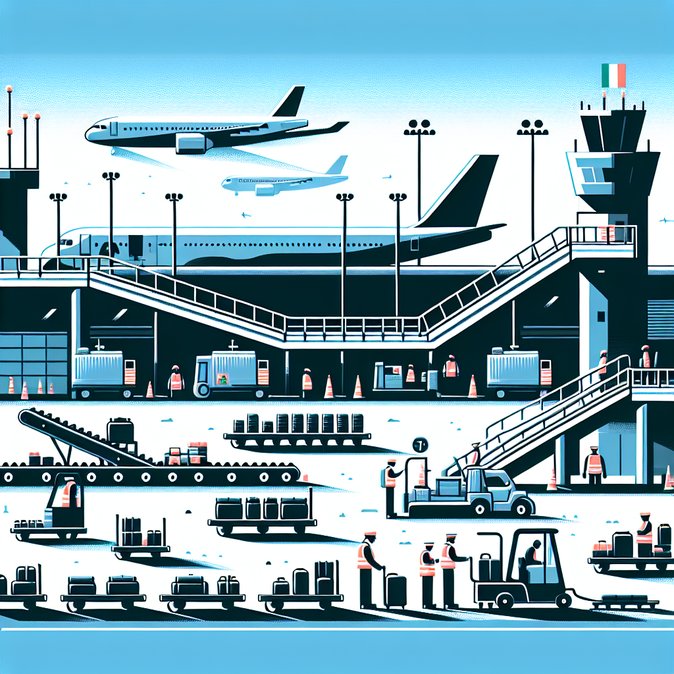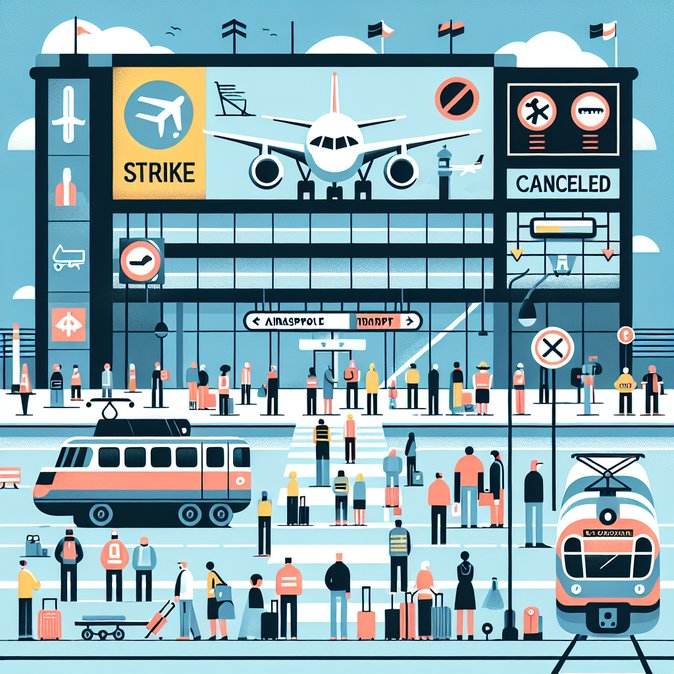
Italy’s civil-aviation system is bracing for a fresh wave of disruption on Wednesday, 17 December, when multiple unions representing air-traffic controllers, ground handlers and flight crews will stage a coordinated four-hour walk-out from 13:00 to 17:00 local time. The action, formally notified to the Ministry of Infrastructure and Transport and published by the national aviation regulator ENAC, will involve ENAV’s Rome Area Control Centre as well as ground-handling companies affiliated to Assohandlers and flight personnel from ITA Airways, Vueling, Air France-KLM and easyJet.
Under Italy’s public-service strike law, minimum-service guarantees still apply. ENAC has therefore issued an attachment listing “voli garantiti”—protected flights that airlines must operate regardless of industrial action. These include so-called ‘lifeline’ routes linking mainland hubs with Sardinia, Sicily and minor islands, along with a selection of long-haul departures from Rome-Fiumicino (FCO), Milan-Malpensa (MXP) and Verona (VRN). Normal operations must also continue during the statutory safety windows of 07:00-10:00 and 18:00-21:00, but services scheduled in the core strike period face a high risk of cancellation or heavy delay.
Corporate travel managers have been advised to map travellers’ itineraries against the guaranteed-flight list, retime critical meetings into the morning or evening protection bands and hold rail alternatives in reserve on trunk city-pairs such as Rome–Milan and Rome–Florence. Travellers with tight same-day connections or checked baggage are especially exposed, as ground-handling shortages can lengthen turn-around times and trigger rolling delays well beyond the official end of the stoppage.
![Four-Hour National Air-Transport Strike Set to Disrupt Italian Airports on 17 December]()
Although the walk-out is limited to four hours, experience from similar actions suggests knock-on effects will cascade across aircraft rotations through the evening peak. Airlines have already begun pre-emptive schedule thinning, while major airports are warning of longer security queues. Business-critical cargo shipped in the belly-hold of passenger flights may also be delayed, affecting just-in-time supply chains during a peak pre-Christmas week.
Where disrupted itineraries necessitate unexpected transits or urgent travel documentation updates, VisaHQ offers a rapid online solution. Its dedicated Italy page (https://www.visahq.com/italy/) aggregates the latest visa requirements, processing options and expert support, allowing corporate travel teams and individual passengers to remain compliant and mobile even when flight schedules shift at short notice.
For globally mobile employees, the key is proactive communication: confirm whether each flight is inside a protected band, sign up for airline and airport app notifications, and build buffer time into onward surface transfers. High-speed rail remains the most resilient fallback on domestic routes; however, island travellers should verify whether their specific service appears on the ENAC list before assuming immunity from cancellation.
Under Italy’s public-service strike law, minimum-service guarantees still apply. ENAC has therefore issued an attachment listing “voli garantiti”—protected flights that airlines must operate regardless of industrial action. These include so-called ‘lifeline’ routes linking mainland hubs with Sardinia, Sicily and minor islands, along with a selection of long-haul departures from Rome-Fiumicino (FCO), Milan-Malpensa (MXP) and Verona (VRN). Normal operations must also continue during the statutory safety windows of 07:00-10:00 and 18:00-21:00, but services scheduled in the core strike period face a high risk of cancellation or heavy delay.
Corporate travel managers have been advised to map travellers’ itineraries against the guaranteed-flight list, retime critical meetings into the morning or evening protection bands and hold rail alternatives in reserve on trunk city-pairs such as Rome–Milan and Rome–Florence. Travellers with tight same-day connections or checked baggage are especially exposed, as ground-handling shortages can lengthen turn-around times and trigger rolling delays well beyond the official end of the stoppage.
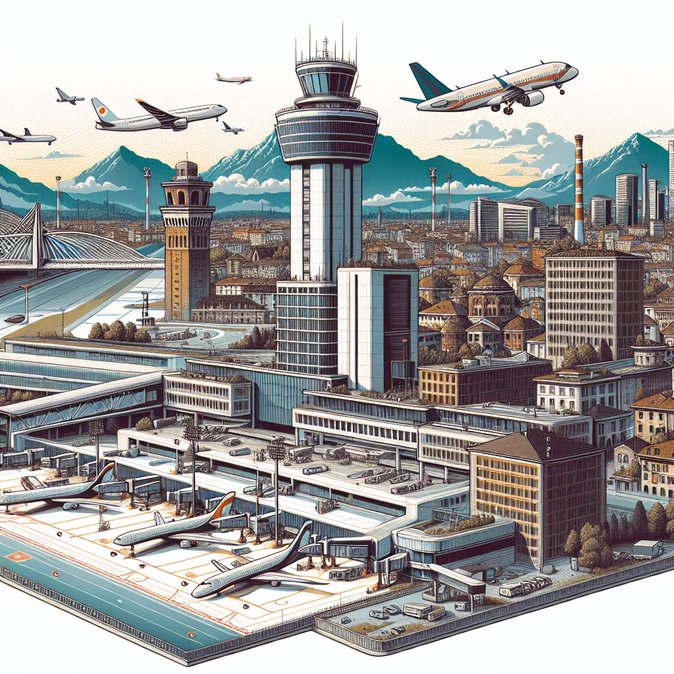
Although the walk-out is limited to four hours, experience from similar actions suggests knock-on effects will cascade across aircraft rotations through the evening peak. Airlines have already begun pre-emptive schedule thinning, while major airports are warning of longer security queues. Business-critical cargo shipped in the belly-hold of passenger flights may also be delayed, affecting just-in-time supply chains during a peak pre-Christmas week.
Where disrupted itineraries necessitate unexpected transits or urgent travel documentation updates, VisaHQ offers a rapid online solution. Its dedicated Italy page (https://www.visahq.com/italy/) aggregates the latest visa requirements, processing options and expert support, allowing corporate travel teams and individual passengers to remain compliant and mobile even when flight schedules shift at short notice.
For globally mobile employees, the key is proactive communication: confirm whether each flight is inside a protected band, sign up for airline and airport app notifications, and build buffer time into onward surface transfers. High-speed rail remains the most resilient fallback on domestic routes; however, island travellers should verify whether their specific service appears on the ENAC list before assuming immunity from cancellation.