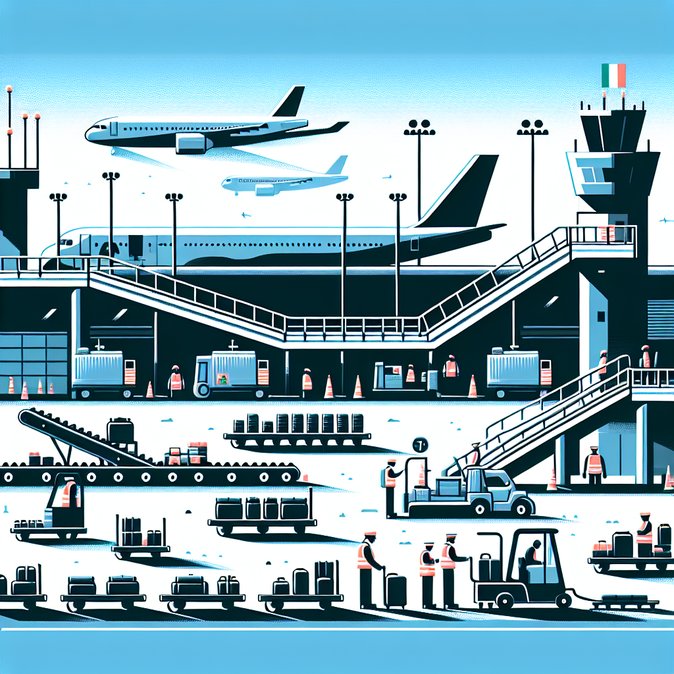
Italy’s airports are bracing for a highly-coordinated, four-hour national strike on Wednesday, 17 December, that will shut down key elements of the country’s aviation ecosystem at the height of the Christmas travel rush. From 13:00 to 17:00, air-traffic controllers at ENAV Area Control Centres, ground-handling companies affiliated with Assohandlers, and flight- and cabin-crews at ITA Airways, Vueling, easyJet, and Air France–KLM will all walk out in tandem. The civil-aviation authority ENAC has already issued an extraordinary travel advisory warning passengers to expect “significant delays and numerous cancellations” and urging them to contact airlines before heading to the airport.
Although Italian law obliges carriers to operate a skeleton service of “guaranteed flights,” the chosen time-window purposely overlaps with peak afternoon departure banks at Rome-Fiumicino (FCO) and Milan-Malpensa (MXP). Industry analysts estimate that up to 6,000 passengers could be stranded or re-routed, with ripple effects likely to snarl evening connections across Europe. Business-traveller itineraries built around tight same-day meetings are especially vulnerable; employers are being advised to authorise overnight stays or switch to rail where feasible.
Travellers scrambling to reshape their plans should also make sure their paperwork is airtight. VisaHQ’s user-friendly portal (https://www.visahq.com/italy/) can expedite Italian visas, provide real-time entry-requirement updates and even arrange courier passport renewals—indispensable services when a sudden strike forces you to reroute through another Schengen hub or delay your return flight.
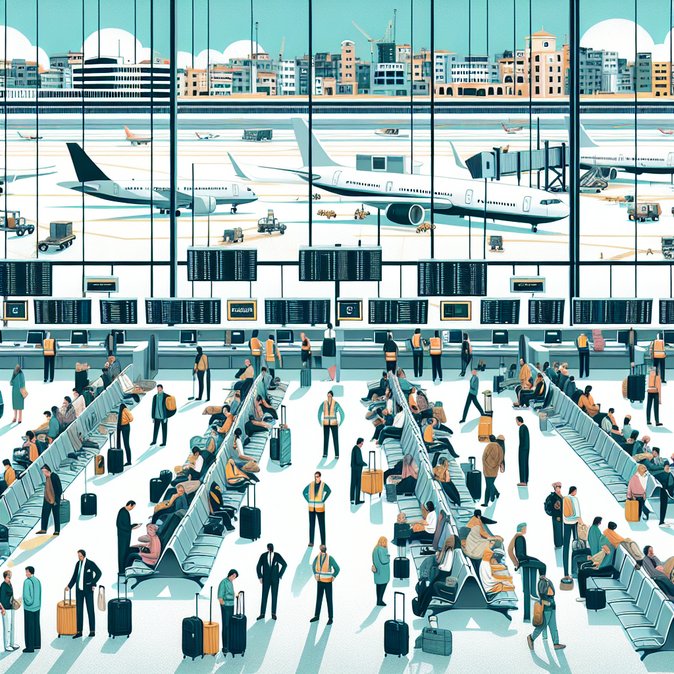
![Nation-wide four-hour aviation strike to hit Italian airports on 17 December]()
The strike is the culmination of months of industrial unrest over staffing levels, roster patterns and post-pandemic wage erosion. Unions argue that traffic has returned to (and in some segments surpassed) 2019 volumes while payrolls remain 10–15 % smaller, forcing compulsory overtime and eroding safety margins. Employers counter that successive energy-price spikes and higher financing costs leave little room for across-the-board increases, and say negotiations are ongoing.
For global-mobility managers the practical implications are clear. In-country assignees planning holiday travel should avoid the strike window altogether or build in 24-hour buffers. Corporates moving high-value cargo or time-critical components through Milan’s cargo villages have been told to advance freight by at least one day, as ramp-handling backlogs could take until the weekend to clear. Travellers holding refundable fares are best placed; those on low-cost tickets will need to monitor airline re-booking policies closely. Ground-transport contingencies such as pre-booked car services or rail alternatives between Milan, Bologna, Florence and Rome should be lined up now.
Longer term, the walk-out may add urgency to long-stalled talks on a sectoral collective-bargaining agreement that would replace the patchwork of company-level contracts inherited after the Alitalia restructuring. Failure to reach a deal could see further 2026 actions that again coincide with peak travel periods and undermine Italy’s reputation for connectivity just months ahead of the 2026 Milan–Cortina Winter Olympics.
Although Italian law obliges carriers to operate a skeleton service of “guaranteed flights,” the chosen time-window purposely overlaps with peak afternoon departure banks at Rome-Fiumicino (FCO) and Milan-Malpensa (MXP). Industry analysts estimate that up to 6,000 passengers could be stranded or re-routed, with ripple effects likely to snarl evening connections across Europe. Business-traveller itineraries built around tight same-day meetings are especially vulnerable; employers are being advised to authorise overnight stays or switch to rail where feasible.
Travellers scrambling to reshape their plans should also make sure their paperwork is airtight. VisaHQ’s user-friendly portal (https://www.visahq.com/italy/) can expedite Italian visas, provide real-time entry-requirement updates and even arrange courier passport renewals—indispensable services when a sudden strike forces you to reroute through another Schengen hub or delay your return flight.
The strike is the culmination of months of industrial unrest over staffing levels, roster patterns and post-pandemic wage erosion. Unions argue that traffic has returned to (and in some segments surpassed) 2019 volumes while payrolls remain 10–15 % smaller, forcing compulsory overtime and eroding safety margins. Employers counter that successive energy-price spikes and higher financing costs leave little room for across-the-board increases, and say negotiations are ongoing.
For global-mobility managers the practical implications are clear. In-country assignees planning holiday travel should avoid the strike window altogether or build in 24-hour buffers. Corporates moving high-value cargo or time-critical components through Milan’s cargo villages have been told to advance freight by at least one day, as ramp-handling backlogs could take until the weekend to clear. Travellers holding refundable fares are best placed; those on low-cost tickets will need to monitor airline re-booking policies closely. Ground-transport contingencies such as pre-booked car services or rail alternatives between Milan, Bologna, Florence and Rome should be lined up now.
Longer term, the walk-out may add urgency to long-stalled talks on a sectoral collective-bargaining agreement that would replace the patchwork of company-level contracts inherited after the Alitalia restructuring. Failure to reach a deal could see further 2026 actions that again coincide with peak travel periods and undermine Italy’s reputation for connectivity just months ahead of the 2026 Milan–Cortina Winter Olympics.