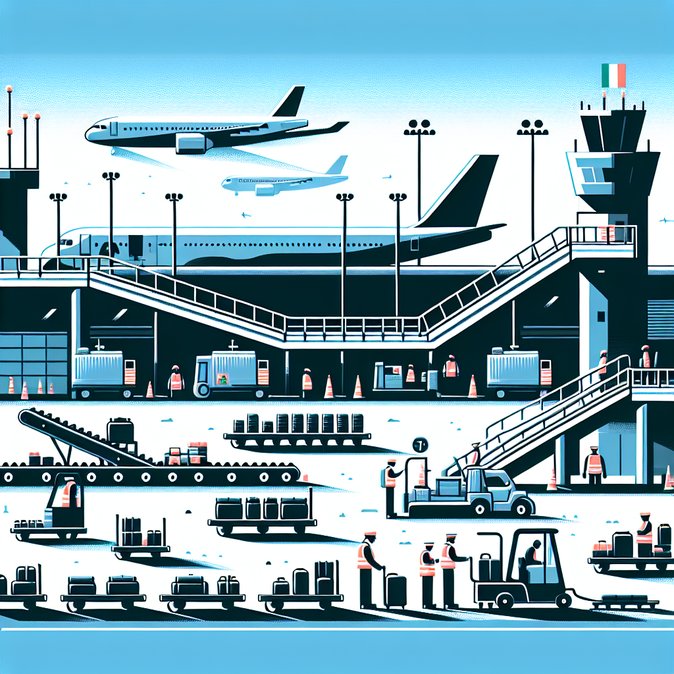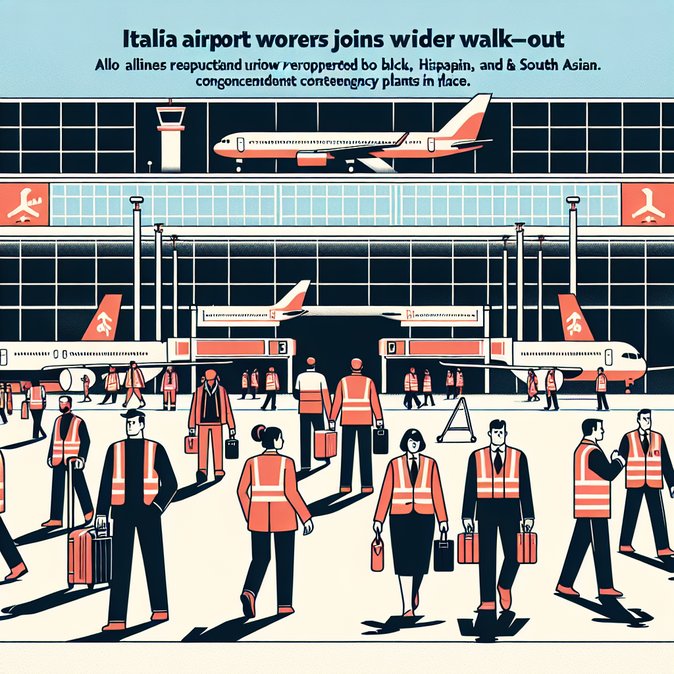
A fresh round of strike notices issued today confirms that airport workers in Italy will join counterparts in Spain, Portugal, France and the UK in a continent-wide industrial wave between 20 and 31 December. According to a Euronews travel alert, Milan-Linate, Milan-Malpensa, Venice-Marco Polo, Rome-Fiumicino, Naples and Catania have all activated contingency plans after unions accused employers of “Grinch-style behaviour” over end-of-year bonus negotiations.
The Italian component dovetails with the 17 December four-hour stoppage but extends the risk window right through the peak holiday exodus. Baggage-handling and security-screening teams are threatening 24-hour actions on 23 and 30 December unless talks yield improved overtime premiums and staffing guarantees. Airport operator Aeroporti di Roma (ADR) says it will open an emergency operations centre and may cap flight movements to maintain minimum service levels. Several overseas carriers have already closed last-minute sales and are offering free date changes.
Corporate-travel managers are being advised to map critical itineraries against the expanding strike calendar. Where physical presence is essential, routing via Zurich, Vienna or Munich – hubs currently unaffected by labour action – could reduce exposure. For intra-EU meetings, rail alternatives such as the Milan–Paris TGV and the Frecciarossa Milan-Rome corridor provide a back-up, albeit with limited festive-season availability.
![Christmas airport walk-outs spread across Europe – Italian hubs on the front line]()
If strike turbulence forces rerouting through additional Schengen countries or prolongs an Italian stay, VisaHQ can expedite any necessary visa adjustments, arrange multi-entry Schengen permits and handle courier delivery of documents—minimising administrative stress while airlines shuffle schedules. Full details are available at https://www.visahq.com/italy/
From a mobility-programme standpoint, HR teams should notify expatriates of potential delays in returning from home leave that could impact first-quarter 2026 project schedules. Insurance providers have confirmed that most corporate travel policies classify strike disruption as an insured event, but claim documentation (e.g., airline notifications) must be retained.
The broader lesson is the growing synchronisation of European labour action: unions realise that concurrent stoppages maximise bargaining leverage and public visibility. Multinationals operating pan-European rotation schemes should therefore review business-continuity plans to ensure adequate staffing of critical functions when multiple jurisdictions experience simultaneous transport disruption.
The Italian component dovetails with the 17 December four-hour stoppage but extends the risk window right through the peak holiday exodus. Baggage-handling and security-screening teams are threatening 24-hour actions on 23 and 30 December unless talks yield improved overtime premiums and staffing guarantees. Airport operator Aeroporti di Roma (ADR) says it will open an emergency operations centre and may cap flight movements to maintain minimum service levels. Several overseas carriers have already closed last-minute sales and are offering free date changes.
Corporate-travel managers are being advised to map critical itineraries against the expanding strike calendar. Where physical presence is essential, routing via Zurich, Vienna or Munich – hubs currently unaffected by labour action – could reduce exposure. For intra-EU meetings, rail alternatives such as the Milan–Paris TGV and the Frecciarossa Milan-Rome corridor provide a back-up, albeit with limited festive-season availability.
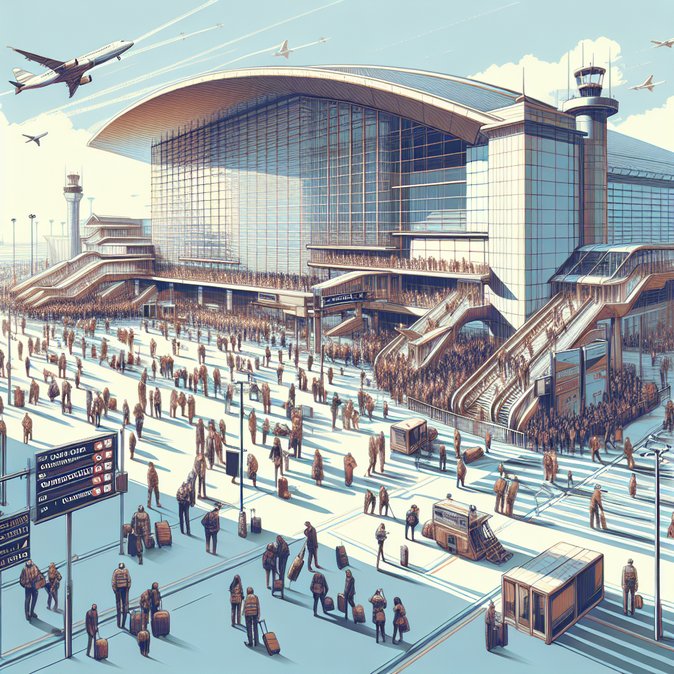
If strike turbulence forces rerouting through additional Schengen countries or prolongs an Italian stay, VisaHQ can expedite any necessary visa adjustments, arrange multi-entry Schengen permits and handle courier delivery of documents—minimising administrative stress while airlines shuffle schedules. Full details are available at https://www.visahq.com/italy/
From a mobility-programme standpoint, HR teams should notify expatriates of potential delays in returning from home leave that could impact first-quarter 2026 project schedules. Insurance providers have confirmed that most corporate travel policies classify strike disruption as an insured event, but claim documentation (e.g., airline notifications) must be retained.
The broader lesson is the growing synchronisation of European labour action: unions realise that concurrent stoppages maximise bargaining leverage and public visibility. Multinationals operating pan-European rotation schemes should therefore review business-continuity plans to ensure adequate staffing of critical functions when multiple jurisdictions experience simultaneous transport disruption.