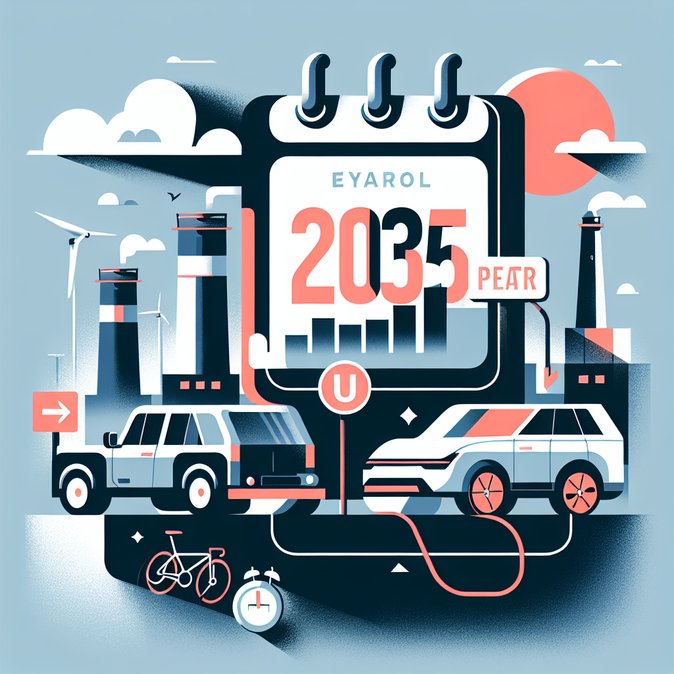
In a move closely watched by Belgium’s sizeable automotive-services sector, the European Commission is poised to soften or delay the bloc-wide ban on new combustion-engine cars originally set for 2035. Reuters reported on 15 December that officials, under pressure from Germany, Italy and lobbyists headquartered in Brussels, may push the deadline back five years or adopt a looser emissions-based target.
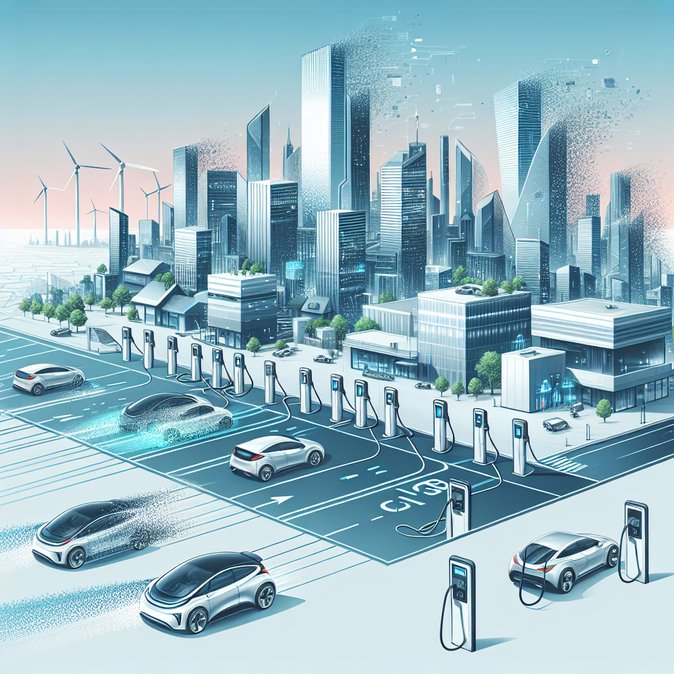
Although the policy is primarily environmental, it has tangible mobility implications for expatriate car allowances, corporate fleet strategies and cross-border leasing. Belgium hosts EU-wide leasing giants and a large company-car culture; a postponement could extend the viability of petrol and diesel fleets and slow the shift to electric-vehicle (EV) charging infrastructure at residential properties used by assignees.
![EU signals U-turn on 2035 combustion-engine ban after pressure from Brussels-based automakers]()
HR mobility teams should track the final text—expected early 2026—because regional tax incentives, low-emission-zone exemptions and fringe-benefit valuations for company cars hinge on EU-level rules. A delayed ban could also affect the resale value assumptions built into multi-year salary-package calculations for inbound staff.
As companies reassess fleet strategies, they must also ensure that the accompanying visa and work-permit formalities for cross-border staff are handled efficiently. VisaHQ’s Belgium portal (https://www.visahq.com/belgium/) offers an end-to-end service for all visa categories, real-time application tracking and compliance guidance, freeing HR teams to focus on questions such as vehicle allowances and fringe-benefit taxation.
Environmental NGOs warn that back-tracking will hurt EU climate goals and leave European automakers lagging behind Chinese EV rivals. Conversely, traditional manufacturers argue they need more time as consumer demand and charging networks grow more slowly than forecast. The debate illustrates how EU-level regulation negotiated in Brussels directly shapes the practical realities of employee mobility in Belgium.
Although the policy is primarily environmental, it has tangible mobility implications for expatriate car allowances, corporate fleet strategies and cross-border leasing. Belgium hosts EU-wide leasing giants and a large company-car culture; a postponement could extend the viability of petrol and diesel fleets and slow the shift to electric-vehicle (EV) charging infrastructure at residential properties used by assignees.
HR mobility teams should track the final text—expected early 2026—because regional tax incentives, low-emission-zone exemptions and fringe-benefit valuations for company cars hinge on EU-level rules. A delayed ban could also affect the resale value assumptions built into multi-year salary-package calculations for inbound staff.
As companies reassess fleet strategies, they must also ensure that the accompanying visa and work-permit formalities for cross-border staff are handled efficiently. VisaHQ’s Belgium portal (https://www.visahq.com/belgium/) offers an end-to-end service for all visa categories, real-time application tracking and compliance guidance, freeing HR teams to focus on questions such as vehicle allowances and fringe-benefit taxation.
Environmental NGOs warn that back-tracking will hurt EU climate goals and leave European automakers lagging behind Chinese EV rivals. Conversely, traditional manufacturers argue they need more time as consumer demand and charging networks grow more slowly than forecast. The debate illustrates how EU-level regulation negotiated in Brussels directly shapes the practical realities of employee mobility in Belgium.