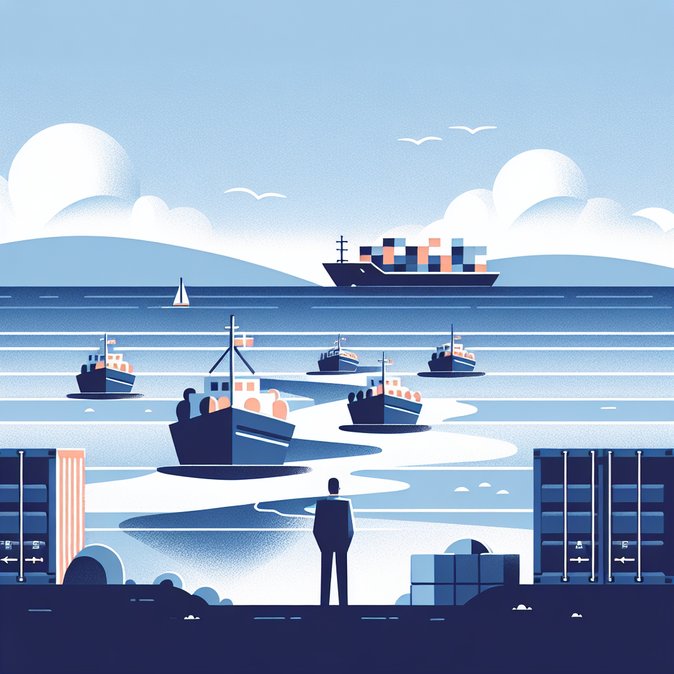
Border Force and volunteer rescue crews were back on high alert on 13 December 2025 after nine small boats carrying hundreds of people attempted to cross the English Channel in calm seas. The last recorded arrival had been on 14 November, giving officials their longest uninterrupted respite—28 days—since 2018.
The sudden spike follows a spell of severe weather that made the 21-mile journey from northern France virtually impossible. According to Home Office data quoted by national media, more than 300 people were brought ashore at Dover and Dungeness on Saturday morning alone. Initial nationalities reported by processing staff included Afghans, Syrians and Eritreans, mirroring the 2025 trend.
The resumption piles pressure on the government’s new Channel strategy, which relies heavily on a returns agreement with France and military-style surveillance to intercept departures. Ministers argue that their November deal with Paris—under which some arrivals have already been sent back—will act as a deterrent once fully operational early next year. Critics counter that the latest crossings show smugglers can still exploit weather windows and that safe-and-legal routes remain too limited.
![Channel Small-Boat Crossings Resume After 28-Day Winter Lull]()
For employers and mobility managers, the episode is a reminder that border resources may be redeployed at short notice, potentially slowing passport control queues at Dover, Folkestone and south-east ports used by freight and corporate shuttles. Logistics trade bodies have already asked for advance notice of any surge-capacity measures that could affect Christmas supply chains.
Businesses evaluating whether changing controls could trigger new visa needs for staff can streamline the process with VisaHQ, whose platform provides real-time updates on UK entry rules, Schengen requirements and other global destinations. The service arranges swift courier pick-ups, expedited submissions and status tracking—details are available at https://www.visahq.com/united-kingdom/
While business travellers are unlikely to be directly affected, companies with French shuttling staff or cross-Channel haulage should monitor Home Office and Port of Dover updates and allow extra clearance time through juxtaposed controls in Calais and Dunkirk over the coming days.
The sudden spike follows a spell of severe weather that made the 21-mile journey from northern France virtually impossible. According to Home Office data quoted by national media, more than 300 people were brought ashore at Dover and Dungeness on Saturday morning alone. Initial nationalities reported by processing staff included Afghans, Syrians and Eritreans, mirroring the 2025 trend.
The resumption piles pressure on the government’s new Channel strategy, which relies heavily on a returns agreement with France and military-style surveillance to intercept departures. Ministers argue that their November deal with Paris—under which some arrivals have already been sent back—will act as a deterrent once fully operational early next year. Critics counter that the latest crossings show smugglers can still exploit weather windows and that safe-and-legal routes remain too limited.
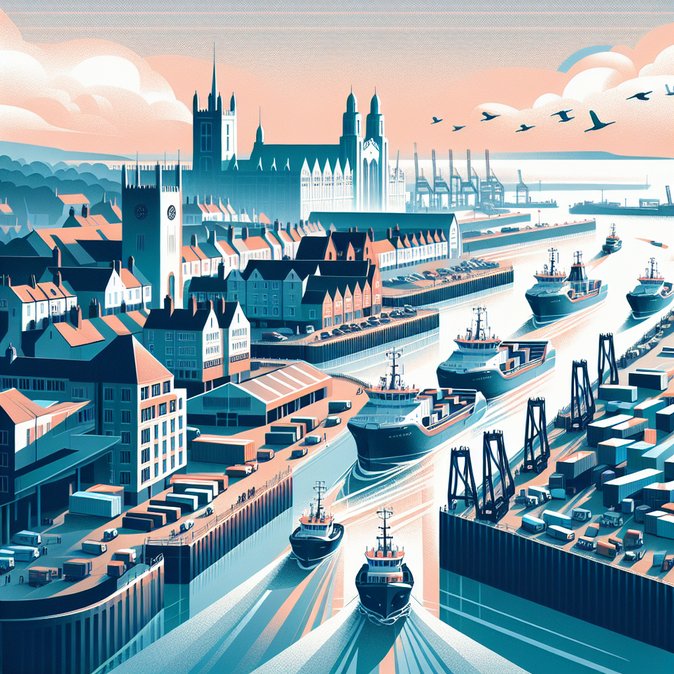
For employers and mobility managers, the episode is a reminder that border resources may be redeployed at short notice, potentially slowing passport control queues at Dover, Folkestone and south-east ports used by freight and corporate shuttles. Logistics trade bodies have already asked for advance notice of any surge-capacity measures that could affect Christmas supply chains.
Businesses evaluating whether changing controls could trigger new visa needs for staff can streamline the process with VisaHQ, whose platform provides real-time updates on UK entry rules, Schengen requirements and other global destinations. The service arranges swift courier pick-ups, expedited submissions and status tracking—details are available at https://www.visahq.com/united-kingdom/
While business travellers are unlikely to be directly affected, companies with French shuttling staff or cross-Channel haulage should monitor Home Office and Port of Dover updates and allow extra clearance time through juxtaposed controls in Calais and Dunkirk over the coming days.