German Chancellor Friedrich Merz announced on 11 December that systematic police checks at the Bavarian and Baden-Württemberg crossings with Austria—re-introduced in 2024—could be lifted once the EU Pact on Migration and Asylum enters force in mid-2026.
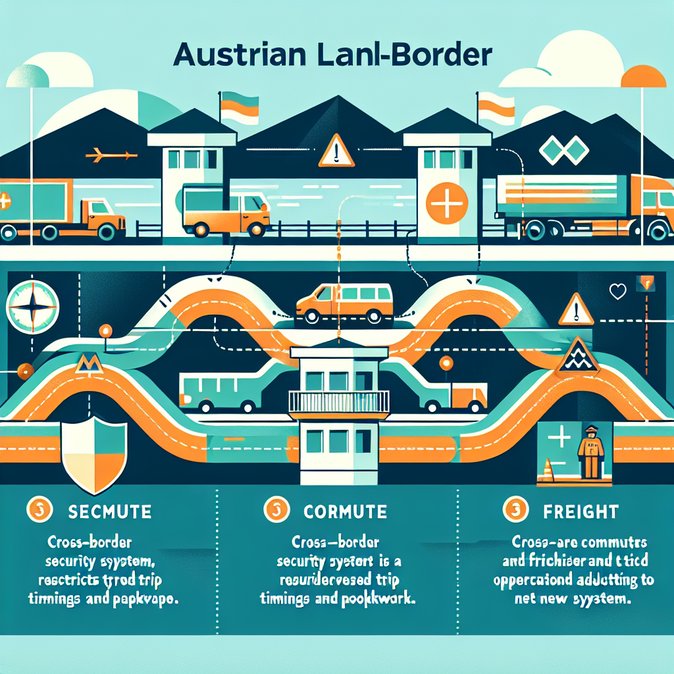
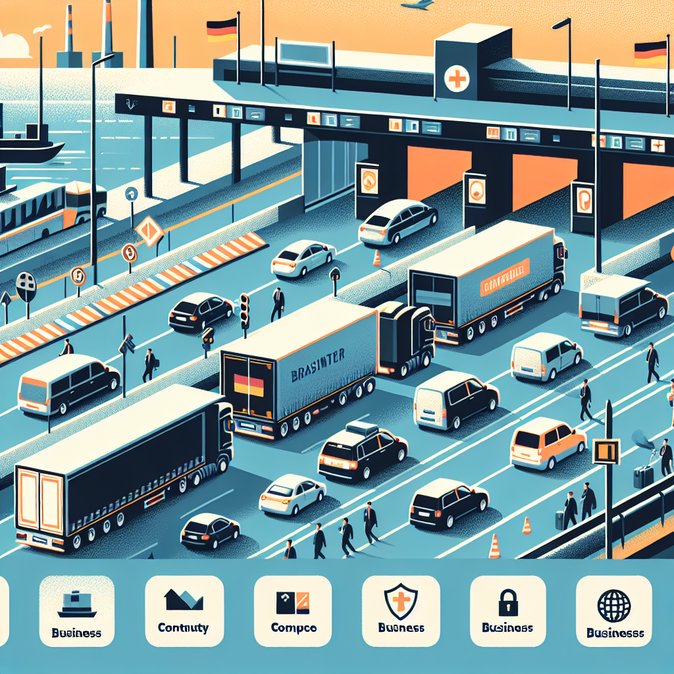
Freight delays have become a major pain-point: automotive suppliers in Upper Austria and Styria cite parts deliveries arriving up to six hours late when queues form at Walserberg and Suben, adding €90–€120 per truck run. If Germany reverts to random spot checks, just-in-time supply chains should regain predictability and commuters—about 16,000 Austrians work daily in southern Germany—will save travel buffers and paperwork.
![Germany Signals Phase-Out of Checks on Austrian Border After EU Migration Pact]()
Companies and commuters looking to streamline cross-border documentation ahead of the rule change can lean on VisaHQ’s Austria portal (https://www.visahq.com/austria/) for fast visa, work-permit and posted-worker notification services—centralizing documents and deadline alerts in one easy dashboard.
The German interior ministry stresses it will retain the legal right to re-impose controls if irregular arrivals spike, meaning mobility managers should keep contingency routings and ensure posted-worker notices remain compliant. Vienna has welcomed the signal but will maintain mobile patrols on its side under the new “Three-Wall” concept unveiled the same week.
Businesses should monitor implementation timelines and maintain dual routing options until a formal abolition date is set; passport carrying remains mandatory until then.
Freight delays have become a major pain-point: automotive suppliers in Upper Austria and Styria cite parts deliveries arriving up to six hours late when queues form at Walserberg and Suben, adding €90–€120 per truck run. If Germany reverts to random spot checks, just-in-time supply chains should regain predictability and commuters—about 16,000 Austrians work daily in southern Germany—will save travel buffers and paperwork.

Companies and commuters looking to streamline cross-border documentation ahead of the rule change can lean on VisaHQ’s Austria portal (https://www.visahq.com/austria/) for fast visa, work-permit and posted-worker notification services—centralizing documents and deadline alerts in one easy dashboard.
The German interior ministry stresses it will retain the legal right to re-impose controls if irregular arrivals spike, meaning mobility managers should keep contingency routings and ensure posted-worker notices remain compliant. Vienna has welcomed the signal but will maintain mobile patrols on its side under the new “Three-Wall” concept unveiled the same week.
Businesses should monitor implementation timelines and maintain dual routing options until a formal abolition date is set; passport carrying remains mandatory until then.