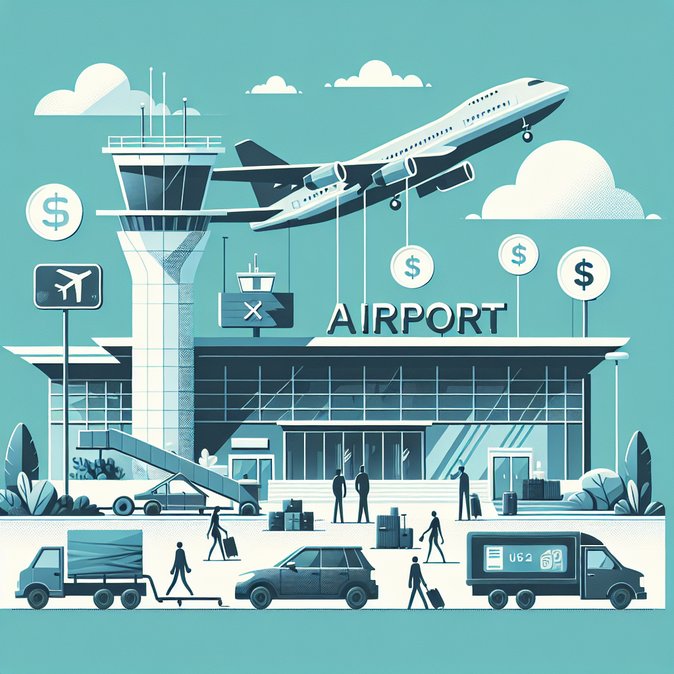
Travellers heading to London Gatwick will pay £10 instead of £7 to use the airport’s forecourt drop-off lanes from 6 January 2026 after the airport announced a steep 40 per cent price rise. Chief executive Stewart Wingate blamed the increase squarely on last week’s Autumn Budget, which more than doubled Gatwick’s annual business-rates bill from about £40 million to £90 million over the next three years.
Business-rate revaluations normally hit high-street retailers hardest, but airports have again emerged as some of the UK’s biggest single-site rate-payers; only Heathrow now pays more than Gatwick. Wingate told investors the combined hit of higher rates and still-elevated borrowing costs threatened to “undermine confidence” in the airport’s £2.2 billion capital plan to bring Gatwick’s standby runway into routine use, a project designed to lift annual capacity from 45 million to 80 million passengers and inject £1 billion into national GDP.
![Gatwick Airport hikes drop-off fee by 40% after Budget rate-rise blow]()
For mobility managers and travel buyers the price rise is more than just an irritant to holiday-makers: Gatwick is the UK’s second-busiest business-travel airport and a key low-cost carrier hub. Ground-transport consultants estimate that a typical Monday-morning corporate shuttle serving 25 premium travellers will add roughly £600 in annual costs from the drop-off increase alone. Taxis and ride-hailers can pass the charge straight through, but employers operating private buses or contracting coach companies must now absorb or re-invoice the difference.
Against that backdrop of squeezed budgets, VisaHQ offers a convenient solution for mobility teams needing to organise the forthcoming Electronic Travel Authorisations as well as traditional visas. Through its UK platform (https://www.visahq.com/united-kingdom/), travel managers can process multiple applications, track status in real time and ensure compliance before travellers arrive at Gatwick—saving both time and unexpected costs.
Gatwick stresses that passengers can still be dropped for free at long-stay car parks, with a six-minute shuttle to the terminals, and that Blue Badge holders remain exempt. Yet the move highlights a wider trend: as UK airports shoulder higher operating costs—from sustainability upgrades to new security scanners and the upcoming Electronic Travel Authorisation (ETA) carrier-compliance regime—ancillary fees are rising faster than headline air fares. Mobility teams planning 2026 budgets should therefore revisit total trip-cost assumptions, especially for assignments requiring frequent airport transfers around London and the South-East.
Business-rate revaluations normally hit high-street retailers hardest, but airports have again emerged as some of the UK’s biggest single-site rate-payers; only Heathrow now pays more than Gatwick. Wingate told investors the combined hit of higher rates and still-elevated borrowing costs threatened to “undermine confidence” in the airport’s £2.2 billion capital plan to bring Gatwick’s standby runway into routine use, a project designed to lift annual capacity from 45 million to 80 million passengers and inject £1 billion into national GDP.

For mobility managers and travel buyers the price rise is more than just an irritant to holiday-makers: Gatwick is the UK’s second-busiest business-travel airport and a key low-cost carrier hub. Ground-transport consultants estimate that a typical Monday-morning corporate shuttle serving 25 premium travellers will add roughly £600 in annual costs from the drop-off increase alone. Taxis and ride-hailers can pass the charge straight through, but employers operating private buses or contracting coach companies must now absorb or re-invoice the difference.
Against that backdrop of squeezed budgets, VisaHQ offers a convenient solution for mobility teams needing to organise the forthcoming Electronic Travel Authorisations as well as traditional visas. Through its UK platform (https://www.visahq.com/united-kingdom/), travel managers can process multiple applications, track status in real time and ensure compliance before travellers arrive at Gatwick—saving both time and unexpected costs.
Gatwick stresses that passengers can still be dropped for free at long-stay car parks, with a six-minute shuttle to the terminals, and that Blue Badge holders remain exempt. Yet the move highlights a wider trend: as UK airports shoulder higher operating costs—from sustainability upgrades to new security scanners and the upcoming Electronic Travel Authorisation (ETA) carrier-compliance regime—ancillary fees are rising faster than headline air fares. Mobility teams planning 2026 budgets should therefore revisit total trip-cost assumptions, especially for assignments requiring frequent airport transfers around London and the South-East.