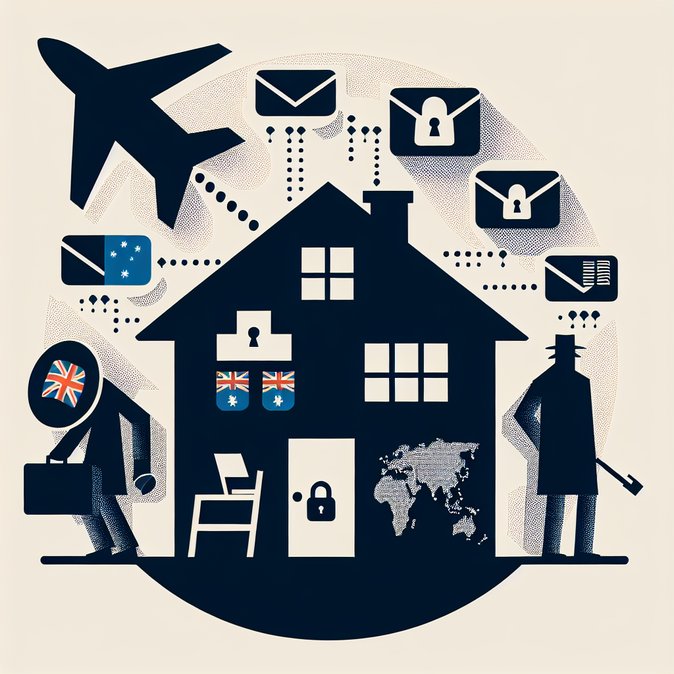
Hong Kong pro-democracy activists living overseas have reported a new wave of transnational intimidation involving sexually explicit deepfake images and fake sex-worker advertisements mailed to their neighbours in the UK and Australia. Letters bearing Macau postmarks showed manipulated photos purporting to depict former district councillor Carmen Lau in compromising acts, while posters in Adelaide advertised ‘lonely housewife’ services allegedly offered by ex-legislator Ted Hui’s wife.
Both Lau and Hui are on Hong Kong police’s HK$1 million national-security bounty list. UK MP Joshua Reynolds condemned the campaign as “grotesque transnational repression” and urged sanctions. Thames Valley Police and South Australia Police have opened investigations; early digital-forensics traces point to servers in Hong Kong.
For global-mobility and HR teams managing Hong Kong national-security refugees, the incident underscores evolving threats that extend beyond online trolling to physical mailboxes and workplaces. Employers should audit privacy practices, encourage address-confidentiality services, and prepare crisis-communication templates in case staff or their families are targeted.
![Deepfake harassment campaign targets exiled Hong Kong activists in UK and Australia]()
Amid these uncertainties, VisaHQ (https://www.visahq.com/hong-kong/) provides streamlined visa and passport processing for Hongkongers and the organisations supporting them, offering real-time rule updates, document verification and concierge assistance so that activists and HR teams can focus on security rather than paperwork.
The episode also places fresh pressure on Western governments to tighten their safe-harbour visa routes for Hongkongers and to expand victim-support funding. Analysts note that the alleged use of AI tools to sexualise dissidents, particularly women, marks an escalation designed to shame and silence advocates.
While not directly affecting travel logistics, the harassment has clear mobility implications: it may deter exiles from attending diaspora conferences or returning to Hong Kong for family emergencies, and could influence future British National (Overseas) visa policy debates.
Both Lau and Hui are on Hong Kong police’s HK$1 million national-security bounty list. UK MP Joshua Reynolds condemned the campaign as “grotesque transnational repression” and urged sanctions. Thames Valley Police and South Australia Police have opened investigations; early digital-forensics traces point to servers in Hong Kong.
For global-mobility and HR teams managing Hong Kong national-security refugees, the incident underscores evolving threats that extend beyond online trolling to physical mailboxes and workplaces. Employers should audit privacy practices, encourage address-confidentiality services, and prepare crisis-communication templates in case staff or their families are targeted.

Amid these uncertainties, VisaHQ (https://www.visahq.com/hong-kong/) provides streamlined visa and passport processing for Hongkongers and the organisations supporting them, offering real-time rule updates, document verification and concierge assistance so that activists and HR teams can focus on security rather than paperwork.
The episode also places fresh pressure on Western governments to tighten their safe-harbour visa routes for Hongkongers and to expand victim-support funding. Analysts note that the alleged use of AI tools to sexualise dissidents, particularly women, marks an escalation designed to shame and silence advocates.
While not directly affecting travel logistics, the harassment has clear mobility implications: it may deter exiles from attending diaspora conferences or returning to Hong Kong for family emergencies, and could influence future British National (Overseas) visa policy debates.