Rovaniemi, famed worldwide as the de-facto “home of Santa Claus,” woke up on 10 December to an unusually martial sight: columns of NATO armoured vehicles rumbling past Christmas-themed hotels en route to the Rovajärvi training range. The influx, part of the alliance’s Lapland Steel and Northern Strike manoeuvres, reflects Finland’s new reality as a NATO member and front-line state bordering Russia. More than 4,000 soldiers from Finland, Sweden, Britain and Poland have rotated through the Arctic Circle town in the past fortnight, rehearsing winter warfare and rapid reinforcement protocols.
For the global mobility industry the exercises carry twin implications. First, corporate and leisure travellers heading to Lapland this winter will see visibly heightened security: additional ID checks on the E75 highway from Helsinki, random inspections at Rovaniemi Airport, and a surge in booked-out hotel blocks reserved for military personnel. Travel-management companies already report longer door-to-door transit times for airport-to-resort transfers as convoys intermittently close road lanes.
Whether you are a holidaymaker eager to meet Santa or an assignee sent north by your company, VisaHQ can help streamline the paperwork so the only surprise you encounter is the Northern Lights. Through its dedicated Finland portal (https://www.visahq.com/finland/), the service offers up-to-date visa guidance, digital application tools and alerts on entry-rule changes—particularly useful now that temporary ID checks and border restrictions are in flux. A few clicks can secure the right travel documents and peace of mind before you approach Lapland’s snow-dusted checkpoints.
![Lapland’s Tourism Hub Tightens Security as NATO Troops Transit Rovaniemi]()
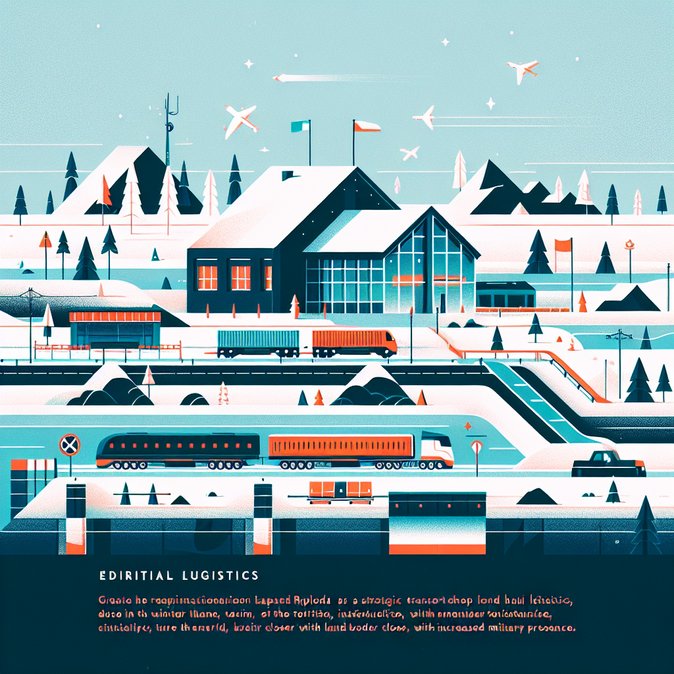
Second, the drills underline the persistence of Finland’s closure of its eastern land border with Russia—a measure initially introduced in late 2023 to counter what Helsinki calls “instrumentalised migration.” Tour operators who once sold cross-border snow-mobile excursions into Russia now market alternative routes wholly inside Finland. Logistics firms moving goods between Norway’s ice-free ports and Southern Finland likewise divert via Sweden to skirt the shut checkpoints.
Rovaniemi city officials stress that tourists remain welcome. "Security forces are highly visible, but Santa Park is open as usual and flights are running on schedule," says Tourism Director Sanna Kärkkäinen. Nevertheless, foreign travel insurers have begun adding special-risk riders for trips within 100 km of the Russian frontier, mirroring policies already common for Israel–Gaza border zones.
Looking ahead, the new Swedish-led Forward Land Forces (FLF) battlegroup will be permanently pre-positioned in Lapland from early 2026. Multinational employers with assignees in Northern Finland should therefore update crisis-response plans, ensure staff carry passports at all times, and budget extra time for border-area movements—especially for holiday season peak travel when troop rotations and charter flights coincide.
For the global mobility industry the exercises carry twin implications. First, corporate and leisure travellers heading to Lapland this winter will see visibly heightened security: additional ID checks on the E75 highway from Helsinki, random inspections at Rovaniemi Airport, and a surge in booked-out hotel blocks reserved for military personnel. Travel-management companies already report longer door-to-door transit times for airport-to-resort transfers as convoys intermittently close road lanes.
Whether you are a holidaymaker eager to meet Santa or an assignee sent north by your company, VisaHQ can help streamline the paperwork so the only surprise you encounter is the Northern Lights. Through its dedicated Finland portal (https://www.visahq.com/finland/), the service offers up-to-date visa guidance, digital application tools and alerts on entry-rule changes—particularly useful now that temporary ID checks and border restrictions are in flux. A few clicks can secure the right travel documents and peace of mind before you approach Lapland’s snow-dusted checkpoints.

Second, the drills underline the persistence of Finland’s closure of its eastern land border with Russia—a measure initially introduced in late 2023 to counter what Helsinki calls “instrumentalised migration.” Tour operators who once sold cross-border snow-mobile excursions into Russia now market alternative routes wholly inside Finland. Logistics firms moving goods between Norway’s ice-free ports and Southern Finland likewise divert via Sweden to skirt the shut checkpoints.
Rovaniemi city officials stress that tourists remain welcome. "Security forces are highly visible, but Santa Park is open as usual and flights are running on schedule," says Tourism Director Sanna Kärkkäinen. Nevertheless, foreign travel insurers have begun adding special-risk riders for trips within 100 km of the Russian frontier, mirroring policies already common for Israel–Gaza border zones.
Looking ahead, the new Swedish-led Forward Land Forces (FLF) battlegroup will be permanently pre-positioned in Lapland from early 2026. Multinational employers with assignees in Northern Finland should therefore update crisis-response plans, ensure staff carry passports at all times, and budget extra time for border-area movements—especially for holiday season peak travel when troop rotations and charter flights coincide.