Meeting in Brussels on 9-10 December, EU home-affairs ministers approved the most restrictive elements of the forthcoming Pact on Migration and Asylum. Key points include allowing member states to transfer rejected asylum seekers to third-country “return hubs,” lengthening detention periods and imposing penalties on those who refuse to leave.
For Germany, which processed 258 000 first-time asylum claims in the first ten months of 2025, the package is double-edged. The Interior Ministry argues that tougher common rules will reduce secondary movement into Germany and ease budget pressure on municipalities. Critics from churches and welfare groups counter that outsourcing returns erodes human-rights standards and may breach non-refoulement obligations.
The agreement still needs European Parliament consent, but Berlin is already drafting domestic legislation to align detention periods and expand charter-flight removals. Employers sponsoring international assignees should watch legislative timetables: draft clauses could modify Section 60a of the Residence Act, narrowing options for ‘tolerated stay’ permits frequently used to retain apprentices whose asylum bids fail.
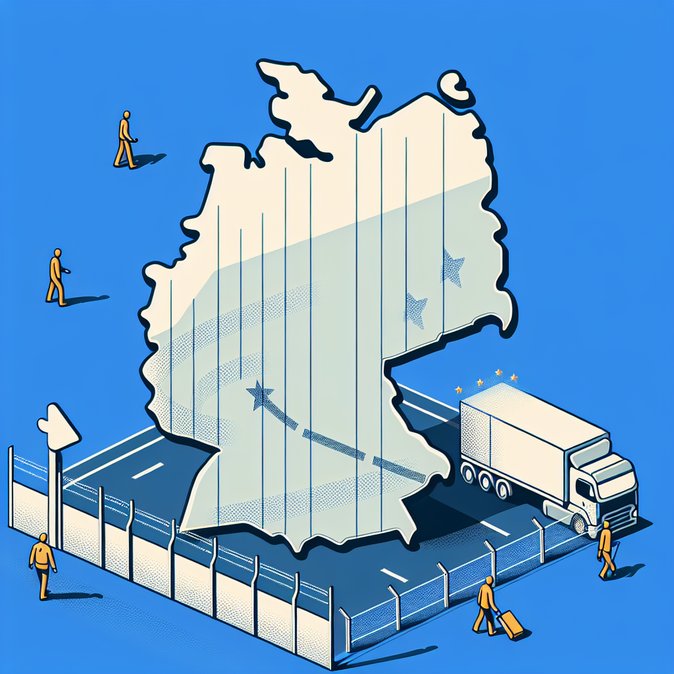
![EU ministers back ‘return hubs’ and faster deportations, raising stakes for Germany’s asylum debate]()
For businesses and individuals trying to keep pace with these shifting requirements, VisaHQ can simplify the paperwork. Through its German portal (https://www.visahq.com/germany/), the service offers online application tools, document reviews and courier submissions for Schengen visas, work permits and humanitarian travel documents—helping HR teams and travelers remain compliant as German and EU rules evolve.
The political calculus also affects border policy. Merz’s pledge to lift internal border checks (see separate story) is conditional on the pact’s adoption, meaning any parliamentary delay in Strasbourg could prolong checks into late 2026.
Consultancies advise multinational firms to anticipate quicker decisions on asylum files, which may translate into faster employment bans or, conversely, quicker work permissions for those granted protection under revised accelerated procedures. Organisations employing humanitarian-status staff should budget for possible travel-document changes as the EU rolls out a harmonised protection card in 2026.
For Germany, which processed 258 000 first-time asylum claims in the first ten months of 2025, the package is double-edged. The Interior Ministry argues that tougher common rules will reduce secondary movement into Germany and ease budget pressure on municipalities. Critics from churches and welfare groups counter that outsourcing returns erodes human-rights standards and may breach non-refoulement obligations.
The agreement still needs European Parliament consent, but Berlin is already drafting domestic legislation to align detention periods and expand charter-flight removals. Employers sponsoring international assignees should watch legislative timetables: draft clauses could modify Section 60a of the Residence Act, narrowing options for ‘tolerated stay’ permits frequently used to retain apprentices whose asylum bids fail.

For businesses and individuals trying to keep pace with these shifting requirements, VisaHQ can simplify the paperwork. Through its German portal (https://www.visahq.com/germany/), the service offers online application tools, document reviews and courier submissions for Schengen visas, work permits and humanitarian travel documents—helping HR teams and travelers remain compliant as German and EU rules evolve.
The political calculus also affects border policy. Merz’s pledge to lift internal border checks (see separate story) is conditional on the pact’s adoption, meaning any parliamentary delay in Strasbourg could prolong checks into late 2026.
Consultancies advise multinational firms to anticipate quicker decisions on asylum files, which may translate into faster employment bans or, conversely, quicker work permissions for those granted protection under revised accelerated procedures. Organisations employing humanitarian-status staff should budget for possible travel-document changes as the EU rolls out a harmonised protection card in 2026.