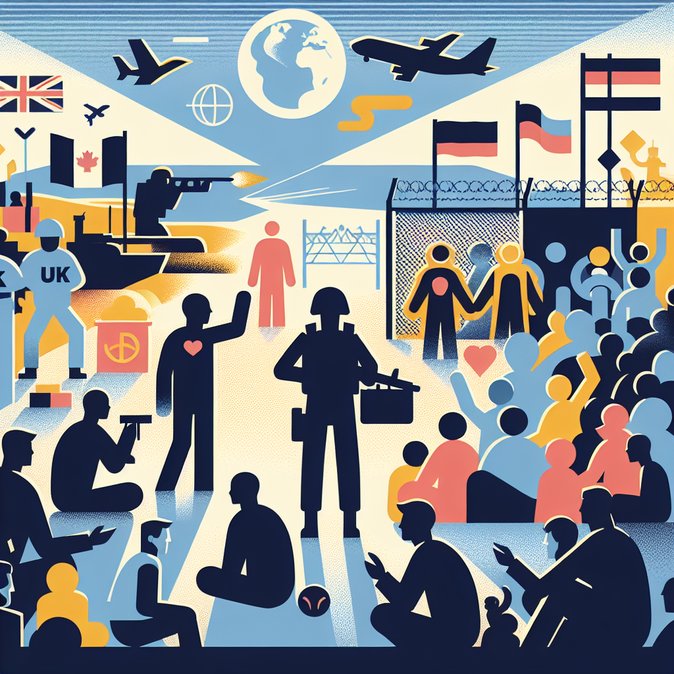
Nine French humanitarian organisations—including Utopia 56 and Médecins du Monde—have accused London and Paris of tacitly enabling a British vigilante group that harasses migrants on the northern French coast.
In a joint press conference on 9 December, NGOs detailed a series of incidents in which Raise the Colours, a self-styled “civilian border-control force” comprising former UK military personnel, destroyed dinghies, livestreamed patrols and sprayed migrants with paint to deter Channel crossings. French police briefly detained some members last week but released them without charge, citing unclear jurisdiction.
Campaigners argue the lack of a firm response effectively normalises xenophobic violence and puts asylum-seekers at risk. They claim Border Force spotters have shared intelligence with the activists—an allegation the UK Home Office “categorically denies”. The French interior ministry says it is reviewing whether the group’s activities amount to organised violence.
![Rights groups say UK and France turning blind eye to Channel vigilantes]()
For employers moving staff between the UK and EU, the episode highlights growing operational and reputational risks around northern-France transit routes. Logistic providers have reported ad-hoc delays as police cordon beaches, and mobility managers may wish to brief relocating employees on heightened tensions.
In this context, VisaHQ can streamline the visa and travel-document process for both corporate mobility teams and individual travellers. Its UK platform (https://www.visahq.com/united-kingdom/) delivers up-to-date guidance, application support and real-time status tracking, helping organisations avoid compliance pitfalls when routing staff through sensitive regions.
Longer term, lawyers fear that private-security copycats on either side of the Channel could complicate efforts to create safe and legal migration pathways, pushing more people—including overstaying business travellers—into irregular channels.
In a joint press conference on 9 December, NGOs detailed a series of incidents in which Raise the Colours, a self-styled “civilian border-control force” comprising former UK military personnel, destroyed dinghies, livestreamed patrols and sprayed migrants with paint to deter Channel crossings. French police briefly detained some members last week but released them without charge, citing unclear jurisdiction.
Campaigners argue the lack of a firm response effectively normalises xenophobic violence and puts asylum-seekers at risk. They claim Border Force spotters have shared intelligence with the activists—an allegation the UK Home Office “categorically denies”. The French interior ministry says it is reviewing whether the group’s activities amount to organised violence.
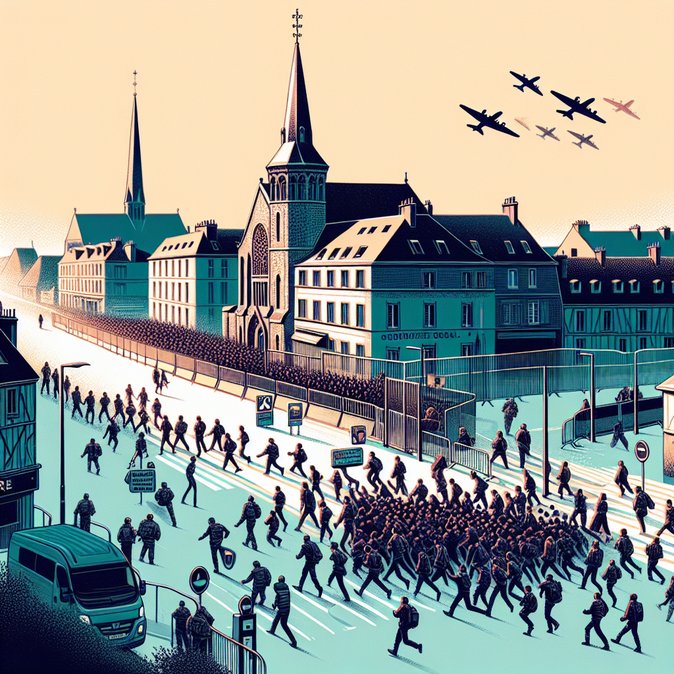
For employers moving staff between the UK and EU, the episode highlights growing operational and reputational risks around northern-France transit routes. Logistic providers have reported ad-hoc delays as police cordon beaches, and mobility managers may wish to brief relocating employees on heightened tensions.
In this context, VisaHQ can streamline the visa and travel-document process for both corporate mobility teams and individual travellers. Its UK platform (https://www.visahq.com/united-kingdom/) delivers up-to-date guidance, application support and real-time status tracking, helping organisations avoid compliance pitfalls when routing staff through sensitive regions.
Longer term, lawyers fear that private-security copycats on either side of the Channel could complicate efforts to create safe and legal migration pathways, pushing more people—including overstaying business travellers—into irregular channels.