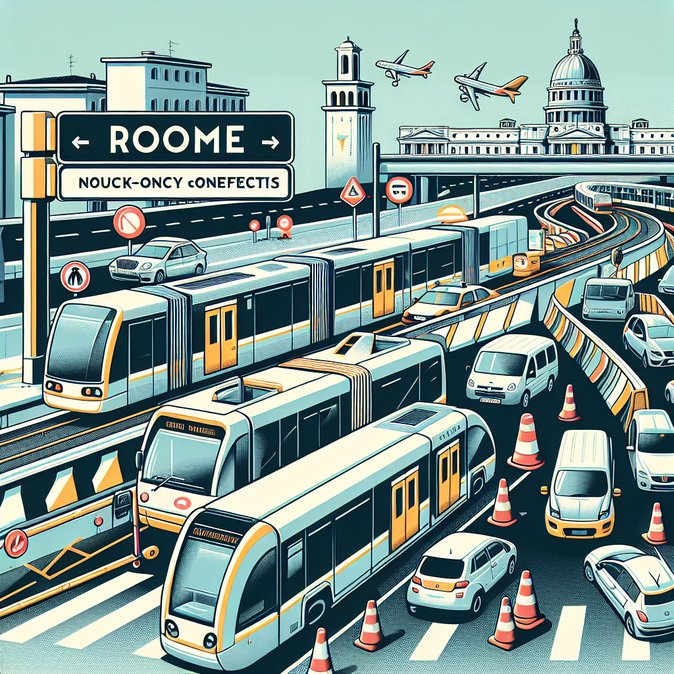
Rome’s mobility authority has issued an urgent advisory after two powerful unions called separate strikes that will paralyse the capital’s public transport network next week. On Tuesday, 9 December, the Sul federation will stage a 24-hour walk-out of ATAC metro, bus and tram staff. A broader, nationwide general strike led by the CGIL on Friday, 12 December, will compound the chaos by spilling over into rail operations and potentially impacting Leonardo da Vinci and Ciampino airport links.
During the ATAC strike, services will operate only during Italy’s legally mandated ‘fasce di garanzia’—start-of-service to 08:29 and 17:00-19:59. Outside those windows travellers face shuttered stations, halted escalators and skeleton ticket-office staffing. The 12 December action is even wider: rail unions plan to down tools from 00:01 to 21:00, threatening inter-city and regional trains as well as freight traffic through Rome’s beltline.
Travellers whose itineraries may shift because of the walk-outs should also double-check visa requirements. VisaHQ (https://www.visahq.com/italy/) can quickly arrange new Italian visas or extensions online, complete with document checklists, doorstep couriering and real-time status alerts—useful peace of mind if strikes force an unexpected overstay.
![Rome Warns Travellers of 9 & 12 December Public-Transport Strikes]()
The industrial unrest centres on roster changes, unpaid meal-breaks, depot safety and budget cuts in the draft 2026 Budget Law. Hoteliers already report a surge in cancellations, while multinationals with December board meetings in Rome are activating contingency plans—rerouting executives via Milan or Naples and pre-booking car services.
For global mobility managers the advice is to alert assignees to build extra transit time, download airline and rail apps for live updates and keep taxi receipts for expenses. Firms should also revisit remote-work policies, as employees may struggle to reach offices on strike days. Air passengers transiting Rome should allow at least a two-hour buffer for ground transport.
Transport Minister Matteo Salvini has yet to intervene but insiders say he may impose minimum service guarantees if negotiations collapse. With more strikes threatened in the run-up to Christmas, business travellers should monitor union notices closely.
During the ATAC strike, services will operate only during Italy’s legally mandated ‘fasce di garanzia’—start-of-service to 08:29 and 17:00-19:59. Outside those windows travellers face shuttered stations, halted escalators and skeleton ticket-office staffing. The 12 December action is even wider: rail unions plan to down tools from 00:01 to 21:00, threatening inter-city and regional trains as well as freight traffic through Rome’s beltline.
Travellers whose itineraries may shift because of the walk-outs should also double-check visa requirements. VisaHQ (https://www.visahq.com/italy/) can quickly arrange new Italian visas or extensions online, complete with document checklists, doorstep couriering and real-time status alerts—useful peace of mind if strikes force an unexpected overstay.

The industrial unrest centres on roster changes, unpaid meal-breaks, depot safety and budget cuts in the draft 2026 Budget Law. Hoteliers already report a surge in cancellations, while multinationals with December board meetings in Rome are activating contingency plans—rerouting executives via Milan or Naples and pre-booking car services.
For global mobility managers the advice is to alert assignees to build extra transit time, download airline and rail apps for live updates and keep taxi receipts for expenses. Firms should also revisit remote-work policies, as employees may struggle to reach offices on strike days. Air passengers transiting Rome should allow at least a two-hour buffer for ground transport.
Transport Minister Matteo Salvini has yet to intervene but insiders say he may impose minimum service guarantees if negotiations collapse. With more strikes threatened in the run-up to Christmas, business travellers should monitor union notices closely.