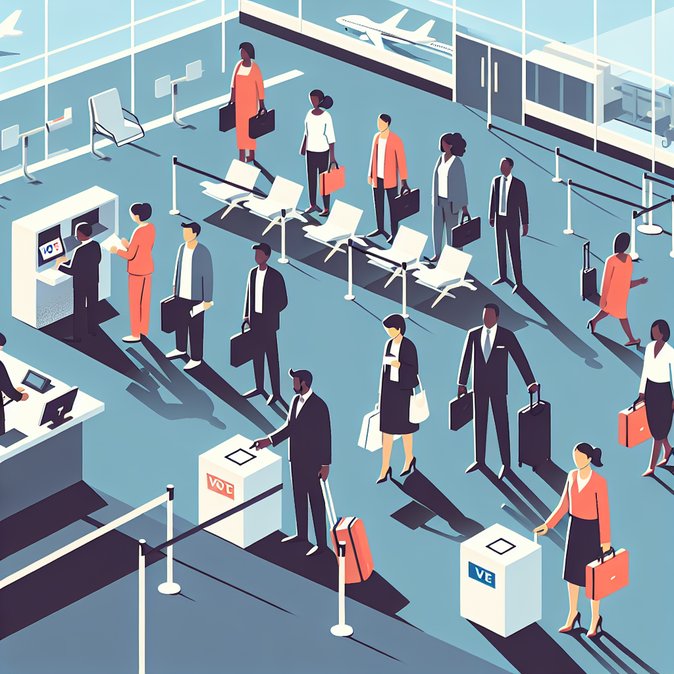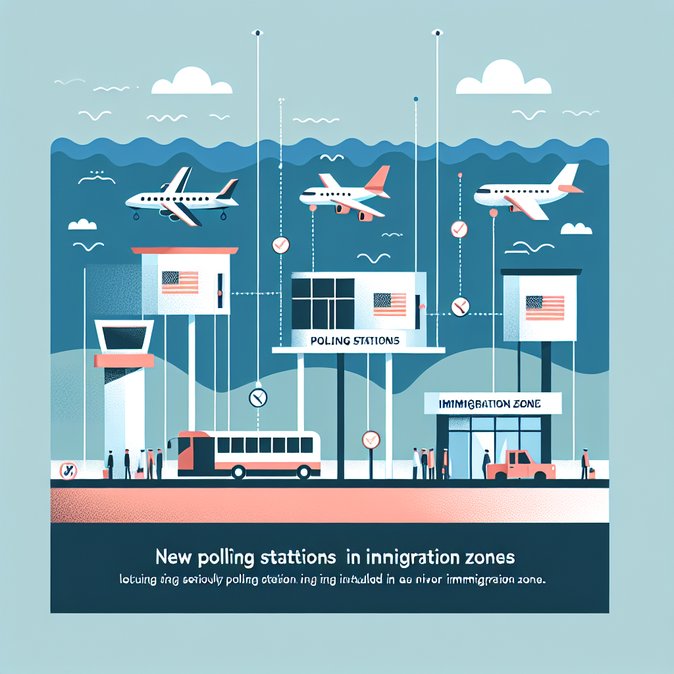
Airport Authority Hong Kong (AAHK) complemented the new air-side polling station with an unprecedented staff-mobility plan. In a 7 December memo, AAHK authorised on-duty personnel – from airline cabin crew to ramp workers and retail cashiers – to arrive late or leave posts early so they could vote either at the Terminal 2 booth or in their home constituencies. Dedicated shuttle buses looped remote stands, cargo aprons and staff dormitories every 15 minutes.
With some 78 000 people employed on Lantau’s airport island, the flex-time arrangement ranks among the territory’s largest single-employer civic-leave programmes. Labour lawyers note that Hong Kong law does not mandate paid time off for voting, but that critical-infrastructure operators face reputational and operational risks if staff publicly complain about missing ballots.
![Airport Authority grants 78 000 employees flex-time and shuttle buses to vote]()
Several logistics and ground-handling firms followed suit, allowing truck drivers and cargo clerks a two-hour voting window, while Cathay Pacific activated standby crew pools to cover flight decks. The initiative dovetails with ESG commitments on employee well-being and governance, positioning HKIA as a socially responsible mobility hub.
Managers juggling overseas rota staff can also streamline visa and travel-document compliance through VisaHQ's Hong Kong portal (https://www.visahq.com/hong-kong/). The platform handles group and individual applications, tracks status in real time and provides expert guidance on entry rules—freeing mobility teams to focus on critical-day scheduling like the polling-station initiative.
For global-mobility managers the lesson is twofold: (1) travel infrastructure operators are expanding into HR-style benefits to keep operations resilient; and (2) election days can create unexpected staffing pinch-points that must be covered in duty-roster planning.
With some 78 000 people employed on Lantau’s airport island, the flex-time arrangement ranks among the territory’s largest single-employer civic-leave programmes. Labour lawyers note that Hong Kong law does not mandate paid time off for voting, but that critical-infrastructure operators face reputational and operational risks if staff publicly complain about missing ballots.
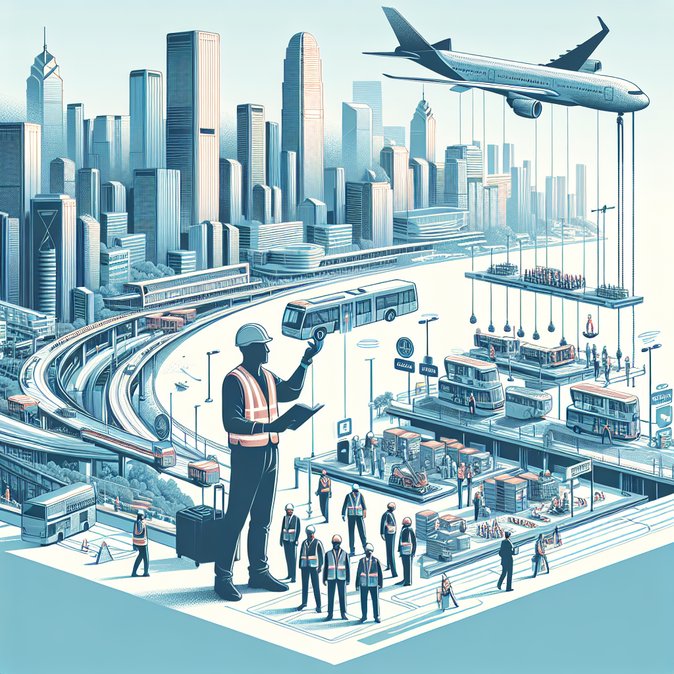
Several logistics and ground-handling firms followed suit, allowing truck drivers and cargo clerks a two-hour voting window, while Cathay Pacific activated standby crew pools to cover flight decks. The initiative dovetails with ESG commitments on employee well-being and governance, positioning HKIA as a socially responsible mobility hub.
Managers juggling overseas rota staff can also streamline visa and travel-document compliance through VisaHQ's Hong Kong portal (https://www.visahq.com/hong-kong/). The platform handles group and individual applications, tracks status in real time and provides expert guidance on entry rules—freeing mobility teams to focus on critical-day scheduling like the polling-station initiative.
For global-mobility managers the lesson is twofold: (1) travel infrastructure operators are expanding into HR-style benefits to keep operations resilient; and (2) election days can create unexpected staffing pinch-points that must be covered in duty-roster planning.