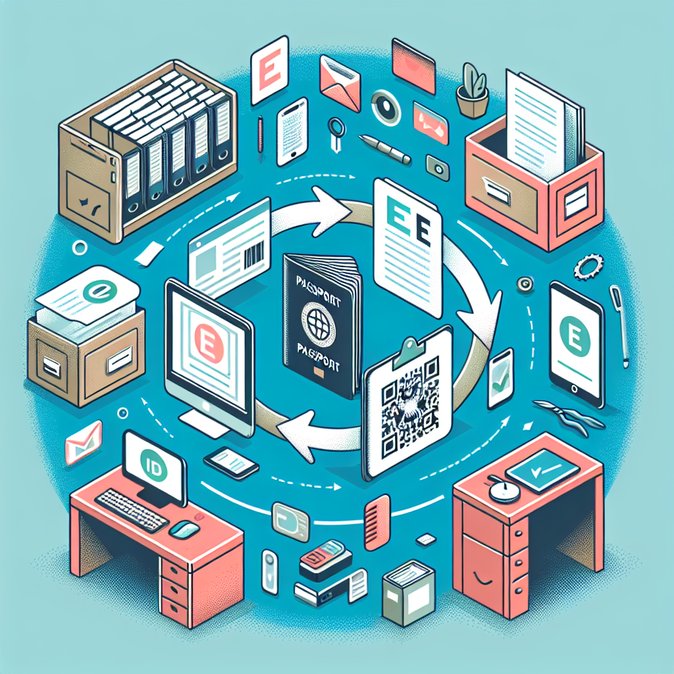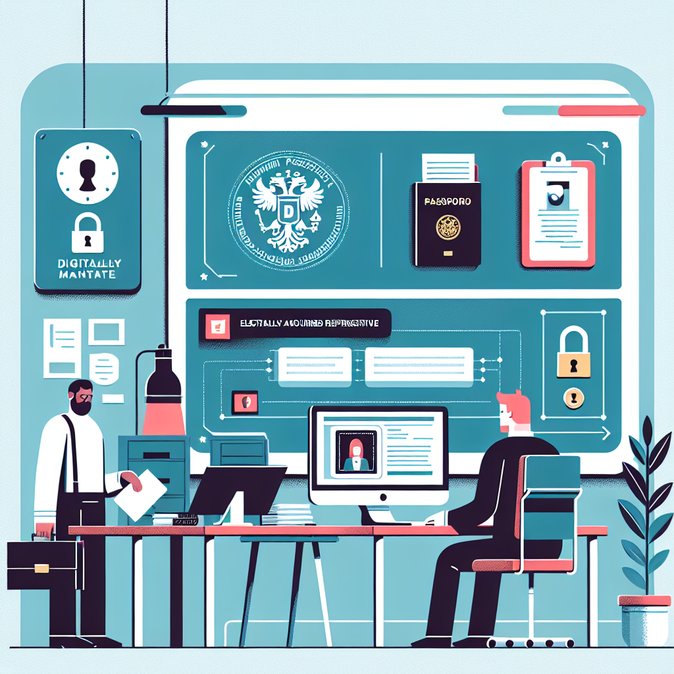
The Finnish Police have confirmed that, starting 1 January 2026, paper powers-of-attorney will no longer be accepted when collecting newly-issued Finnish passports or national identity cards. Under the new rules, travel documents will only be released to three categories of people: (1) the document holder, (2) the holder’s legal guardian, or (3) a representative who was designated electronically during the application process.
The reform, announced in police press releases on 5–6 December and highlighted by specialist mobility outlets on 8 December, brings Finland into line with updated EU technical specifications for second-generation biometric travel documents that require a fully auditable chain of custody. Police IT teams have already upgraded the Enter Finland e-service to let applicants grant—and later revoke—an e-mandate while fingerprints are taken.
Finnish authorities note that paper proxies are “too easy to forge,” citing several recent cases of document fraud uncovered at Helsinki-Vantaa Airport. The Finnish Transport and Communications Agency (Traficom) estimates that eliminating paper proxies will cut identity-related fraud attempts at border control by 40 percent within a year.
![Finland Scraps Paper Authorizations for Passport & ID Pick-Up, Moves Fully Digital by January 1, 2026]()
VisaHQ can help travelers, expatriates, and HR departments adapt to the new procedure. Through its Finland resource page (https://www.visahq.com/finland/), the platform offers clear instructions on setting up an electronic mandate, appointment scheduling tools, and real-time alerts so that passports or ID cards are released smoothly to the correct, pre-authorized person.
For employers and relocation managers, the change means assignees must plan an in-person or digitally-mandated collection well in advance; a colleague can no longer turn up with a signed form. Multinational companies with large assignee populations in Finland are being advised to update their arrival check-lists, while destination-service providers are creating bilingual guides explaining the new e-mandate workflow.
The Police will run a nationwide information campaign through January and have set up a dedicated hotline (+358 295 419 800) to help foreign residents who applied under the old procedure but will collect their documents after the cut-off. Finland’s move is expected to influence other Nordic countries, which are watching the rollout closely as they prepare their own passport-security upgrades.
The reform, announced in police press releases on 5–6 December and highlighted by specialist mobility outlets on 8 December, brings Finland into line with updated EU technical specifications for second-generation biometric travel documents that require a fully auditable chain of custody. Police IT teams have already upgraded the Enter Finland e-service to let applicants grant—and later revoke—an e-mandate while fingerprints are taken.
Finnish authorities note that paper proxies are “too easy to forge,” citing several recent cases of document fraud uncovered at Helsinki-Vantaa Airport. The Finnish Transport and Communications Agency (Traficom) estimates that eliminating paper proxies will cut identity-related fraud attempts at border control by 40 percent within a year.
VisaHQ can help travelers, expatriates, and HR departments adapt to the new procedure. Through its Finland resource page (https://www.visahq.com/finland/), the platform offers clear instructions on setting up an electronic mandate, appointment scheduling tools, and real-time alerts so that passports or ID cards are released smoothly to the correct, pre-authorized person.
For employers and relocation managers, the change means assignees must plan an in-person or digitally-mandated collection well in advance; a colleague can no longer turn up with a signed form. Multinational companies with large assignee populations in Finland are being advised to update their arrival check-lists, while destination-service providers are creating bilingual guides explaining the new e-mandate workflow.
The Police will run a nationwide information campaign through January and have set up a dedicated hotline (+358 295 419 800) to help foreign residents who applied under the old procedure but will collect their documents after the cut-off. Finland’s move is expected to influence other Nordic countries, which are watching the rollout closely as they prepare their own passport-security upgrades.