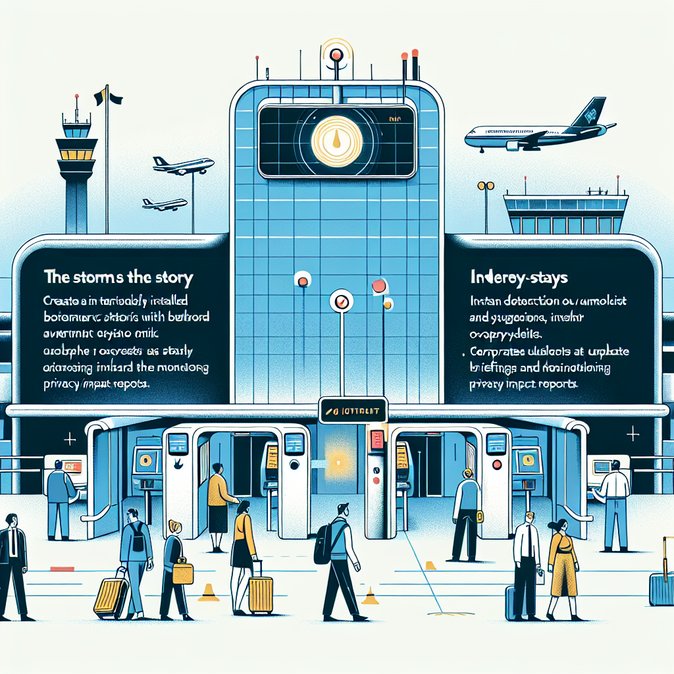
The European Union’s long-awaited Entry/Exit System (EES) officially began its phased launch on 7 December, replacing manual passport stamps with biometric registration for every non-EU traveller. Belgium moved faster than most member states, activating dozens of self-service kiosks and 36 new e-gates at Brussels Airport; similar hardware is being installed at Charleroi, Liège and the Port of Zeebrugge.
The EES automatically records each traveller’s fingerprints, facial image and the exact date and time of crossing, then calculates the 90-days-in-180 rule in real time. For global employers, that means instant visibility of whether a short-term assignee has days left on their Schengen allowance—dramatically reducing the risk that a key engineer or sales executive is stopped at the border. HR teams are being urged to audit historic travel patterns and re-train frequent flyers on the new process.
![EU Entry/Exit System Goes Live – Belgium Deploys Biometric Kiosks at All Gateways]()
VisaHQ’s compliance specialists can help corporate travel and HR teams get ahead of the EES learning curve. Through the company’s Belgium portal (https://www.visahq.com/belgium/) managers can run real-time Schengen-stay calculations, set up automated alerts for employees nearing the 90/180-day limit and arrange expedited visa or residence applications when longer assignments are required.
Brussels Airlines predicts boarding-pass control times for U.S. and UK nationals will fall by 30 %, freeing frontline staff during the Christmas rush. However, Belgium’s Data Protection Authority has demanded monthly impact assessments and a rapid redress mechanism for biometric mismatches after privacy groups raised concerns.
The full roll-out is expected by April 2026, but early glitches are possible. Mobility managers should prepare contingency guidance for employees whose fingerprints fail to scan—around 4 % of cases in pilot tests—and should budget extra time for travellers transiting through ports still using the legacy stamp system.
The EES automatically records each traveller’s fingerprints, facial image and the exact date and time of crossing, then calculates the 90-days-in-180 rule in real time. For global employers, that means instant visibility of whether a short-term assignee has days left on their Schengen allowance—dramatically reducing the risk that a key engineer or sales executive is stopped at the border. HR teams are being urged to audit historic travel patterns and re-train frequent flyers on the new process.

VisaHQ’s compliance specialists can help corporate travel and HR teams get ahead of the EES learning curve. Through the company’s Belgium portal (https://www.visahq.com/belgium/) managers can run real-time Schengen-stay calculations, set up automated alerts for employees nearing the 90/180-day limit and arrange expedited visa or residence applications when longer assignments are required.
Brussels Airlines predicts boarding-pass control times for U.S. and UK nationals will fall by 30 %, freeing frontline staff during the Christmas rush. However, Belgium’s Data Protection Authority has demanded monthly impact assessments and a rapid redress mechanism for biometric mismatches after privacy groups raised concerns.
The full roll-out is expected by April 2026, but early glitches are possible. Mobility managers should prepare contingency guidance for employees whose fingerprints fail to scan—around 4 % of cases in pilot tests—and should budget extra time for travellers transiting through ports still using the legacy stamp system.