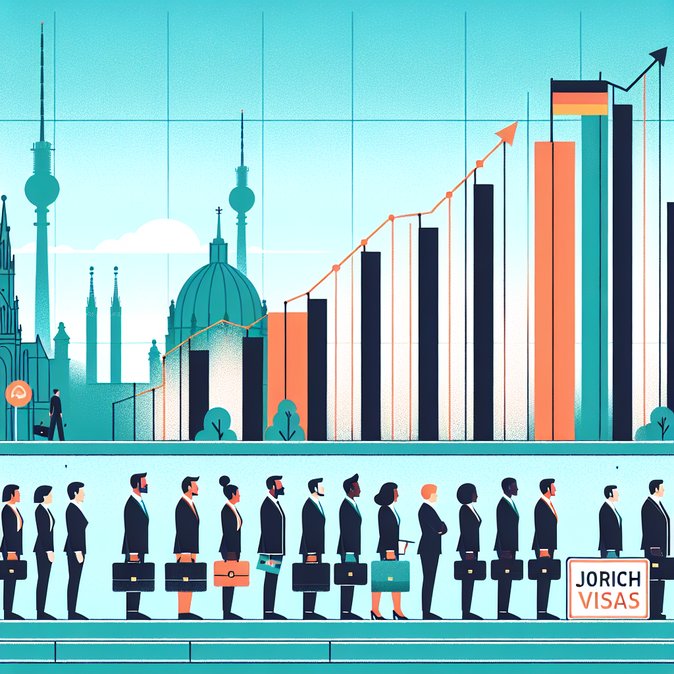
Eighteen months after the reformed Skilled Immigration Act entered into force, hard data released by the Interior Ministry reveal that take-up is far below expectations. Between June 2024 and November 2025 German consulates issued just 17,489 ‘Chancenkarten’ – an open-job-search visa based on a points system – versus the 30,000 annual target set by the previous Ampel coalition. Even more striking: only 838 visas were granted via the so-called ‘experience pillar’, designed for applicants without a recognised degree but with several years of industry practice.
Green Party migration spokeswoman Lamya Kaddor blamed the shortfall on “half-hearted promotion abroad and toxic domestic rhetoric.” She argued that legislative tweaks alone cannot solve Germany’s talent crunch and called for a pro-immigration communications campaign and faster local registration offices. Business associations echoed the concerns, noting that chronic labour gaps in IT, engineering and elder care were expected to widen as the baby-boomer retirement wave peaks in 2026–27.
For employers, the weak numbers translate into longer hiring cycles and heavier reliance on EU Blue-Card routes, which still average six to 10 weeks processing. Relocation providers say many candidates are deterred by complicated paperwork at German missions and long appointment wait times in India, Brazil and the Western Balkans. Some applicants switch to Canada’s Express Entry or Portugal’s digital-nomad visa, eroding Germany’s competitiveness.
![Germany’s new ‘Chancenkarte’ and other skilled-migration tools under-perform, Green Party slams lack of ‘welcome culture’]()
VisaHQ can help relieve some of these pain points. Through its dedicated Germany portal (https://www.visahq.com/germany/) the firm supplies up-to-date checklists for Chancenkarte, Blue Card and other residence titles, pre-screens documentation, and books visa appointments on the applicant’s behalf. HR departments gain a single dashboard to track progress, while candidates benefit from clear guidance that reduces the risk of costly errors or missed deadlines.
The ministry’s figures provide no follow-up data on how many Chancenkarte-holders have since secured jobs or permanent residence – a gap that critics say undermines evidence-based policymaking. The coalition has promised a full evaluation by June 2027, but the Greens want quarterly dashboards so bottlenecks can be fixed in real time.
In the meantime mobility managers should recalibrate staffing forecasts: while the Chancenkarte remains a useful option for high-potential hires without job offers, organisations must allocate extra lead time and consider language training or specialist agencies to shepherd candidates through little-known consular requirements. Companies are also urged to lobby local authorities for digital appointment systems, which pilot projects in Berlin and Munich have shown can cut wait times by 40 %.
Green Party migration spokeswoman Lamya Kaddor blamed the shortfall on “half-hearted promotion abroad and toxic domestic rhetoric.” She argued that legislative tweaks alone cannot solve Germany’s talent crunch and called for a pro-immigration communications campaign and faster local registration offices. Business associations echoed the concerns, noting that chronic labour gaps in IT, engineering and elder care were expected to widen as the baby-boomer retirement wave peaks in 2026–27.
For employers, the weak numbers translate into longer hiring cycles and heavier reliance on EU Blue-Card routes, which still average six to 10 weeks processing. Relocation providers say many candidates are deterred by complicated paperwork at German missions and long appointment wait times in India, Brazil and the Western Balkans. Some applicants switch to Canada’s Express Entry or Portugal’s digital-nomad visa, eroding Germany’s competitiveness.

VisaHQ can help relieve some of these pain points. Through its dedicated Germany portal (https://www.visahq.com/germany/) the firm supplies up-to-date checklists for Chancenkarte, Blue Card and other residence titles, pre-screens documentation, and books visa appointments on the applicant’s behalf. HR departments gain a single dashboard to track progress, while candidates benefit from clear guidance that reduces the risk of costly errors or missed deadlines.
The ministry’s figures provide no follow-up data on how many Chancenkarte-holders have since secured jobs or permanent residence – a gap that critics say undermines evidence-based policymaking. The coalition has promised a full evaluation by June 2027, but the Greens want quarterly dashboards so bottlenecks can be fixed in real time.
In the meantime mobility managers should recalibrate staffing forecasts: while the Chancenkarte remains a useful option for high-potential hires without job offers, organisations must allocate extra lead time and consider language training or specialist agencies to shepherd candidates through little-known consular requirements. Companies are also urged to lobby local authorities for digital appointment systems, which pilot projects in Berlin and Munich have shown can cut wait times by 40 %.
More From Germany
View all
Bundestag scraps mandatory legal counsel in deportation detention and gives government sole power to declare ‘safe countries’

Foreign Office issues urgent travel alerts for Greece, Thailand, Bulgaria and Trinidad & Tobago amid rising security risks