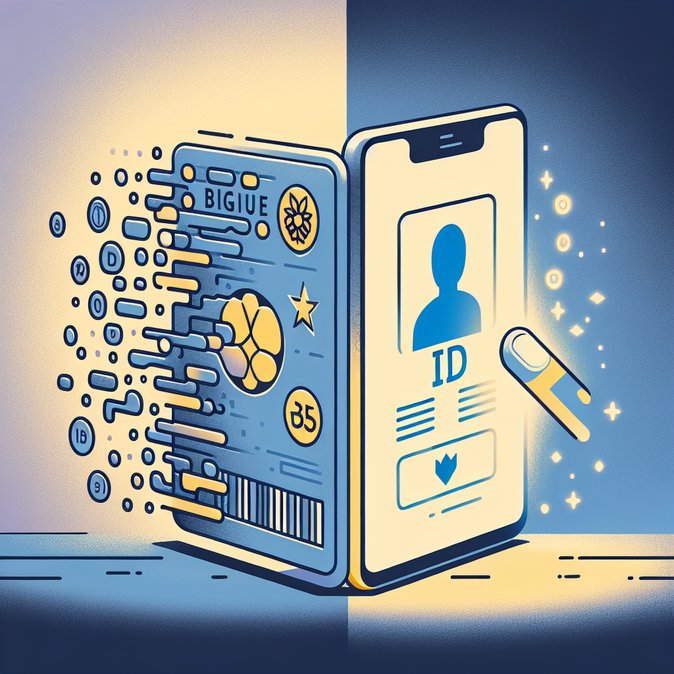
The long-anticipated Entry/Exit System (EES) officially began its phased launch this weekend, replacing the manual stamping of passports with automated fingerprint and facial-image capture for all non-EU nationals entering or leaving the Schengen Area. Travel and Tour World confirmed that the first kiosks went live on 7 December, and full deployment is expected by April 2026.
Belgium has moved quickly to adapt. Brussels Airport now hosts dozens of registration kiosks and 36 new e-gates, while similar upgrades are under construction at Charleroi, Liège and the Port of Zeebrugge ferry terminal. Federal Police officers have been retrained to supervise the automated lanes and to assist passengers whose fingerprints fail to scan—an estimated 4 % according to pilot data.
For travelers and HR managers still deciphering how EES interacts with specific visa categories, VisaHQ can be a useful ally. Its Belgian portal (https://www.visahq.com/belgium/) provides step-by-step application tools, compliance reminders and expert support that help prevent inadvertent overstays and keep documentation in order as the new biometric rules take effect.
![EU Entry/Exit System Enters Phased Launch—Belgium Installs Biometric Kiosks at All Airports]()
For Belgian companies that recruit from outside the EU, the system promises greater clarity on employees’ permissible stay. EES will automatically calculate the 90/180-day Schengen rule and flag overstays in real time, reducing the risk that a key engineer or sales executive is stopped at the border. HR teams are advised to audit travel patterns and ensure that short-term assignees do not inadvertently exhaust their Schengen allowance once stamping disappears.
Airlines see productivity gains too. Brussels Airlines predicts that average boarding-pass control times for U.S. and UK nationals will fall by 30 %, freeing staff for customer-service tasks during the December rush. Travel-management companies are preparing chatbot scripts and pre-trip emails to explain the new process to clients.
Critics worry about data privacy and technical glitches. Belgium’s Data Protection Authority has demanded monthly impact assessments during the roll-out, and consumer groups are calling for a fast-track redress mechanism when biometric mismatches occur. The Federal Police insist that all data are stored on secure EU servers and will be deleted automatically after three years unless linked to an immigration investigation.
Belgium has moved quickly to adapt. Brussels Airport now hosts dozens of registration kiosks and 36 new e-gates, while similar upgrades are under construction at Charleroi, Liège and the Port of Zeebrugge ferry terminal. Federal Police officers have been retrained to supervise the automated lanes and to assist passengers whose fingerprints fail to scan—an estimated 4 % according to pilot data.
For travelers and HR managers still deciphering how EES interacts with specific visa categories, VisaHQ can be a useful ally. Its Belgian portal (https://www.visahq.com/belgium/) provides step-by-step application tools, compliance reminders and expert support that help prevent inadvertent overstays and keep documentation in order as the new biometric rules take effect.

For Belgian companies that recruit from outside the EU, the system promises greater clarity on employees’ permissible stay. EES will automatically calculate the 90/180-day Schengen rule and flag overstays in real time, reducing the risk that a key engineer or sales executive is stopped at the border. HR teams are advised to audit travel patterns and ensure that short-term assignees do not inadvertently exhaust their Schengen allowance once stamping disappears.
Airlines see productivity gains too. Brussels Airlines predicts that average boarding-pass control times for U.S. and UK nationals will fall by 30 %, freeing staff for customer-service tasks during the December rush. Travel-management companies are preparing chatbot scripts and pre-trip emails to explain the new process to clients.
Critics worry about data privacy and technical glitches. Belgium’s Data Protection Authority has demanded monthly impact assessments during the roll-out, and consumer groups are calling for a fast-track redress mechanism when biometric mismatches occur. The Federal Police insist that all data are stored on secure EU servers and will be deleted automatically after three years unless linked to an immigration investigation.