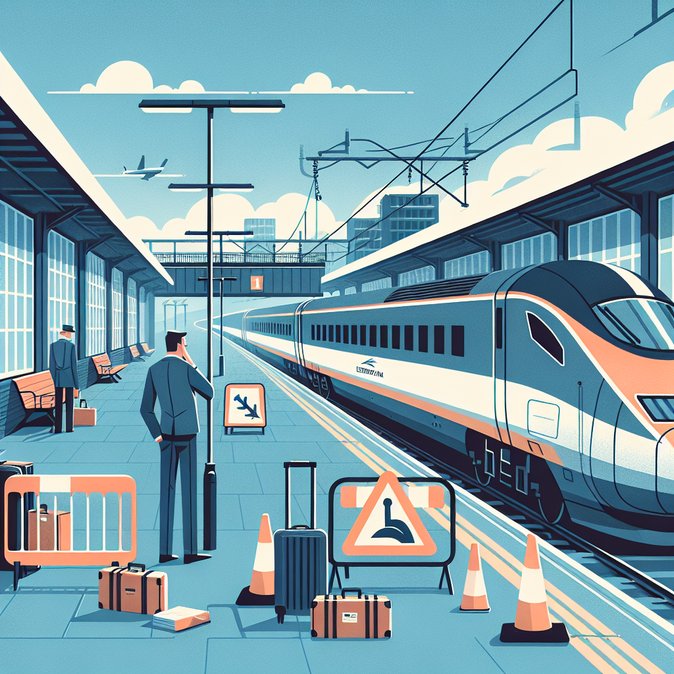
A wave of Atlantic storms combined with air-traffic-control walkouts triggered 4,800 flight disruptions across Europe on 6 December, according to FlightAware data summarised by Travel & Tour World. Hot-spots included Amsterdam Schiphol, Paris CDG and London Heathrow—three of the principal hubs feeding Brussels Airport’s intercontinental network.
Although Brussels itself escaped the worst weather, knock-on delays stranded dozens of passengers connecting from the affected airports. Brussels Airlines reported average inbound delays of 42 minutes on its evening UK and France rotations, while DHL diverted two Leipzig-bound freighters from Liège to Cologne. Belgian rail operator SNCB added late-night services from Zaventem to accommodate travellers who missed last-mile connections.
During periods of unexpected rerouting, travellers sometimes discover that the quickest back-up itinerary touches countries for which they lack the right travel documents. VisaHQ’s Belgium portal (https://www.visahq.com/belgium/) offers a fast eligibility checker and same-day courier services, allowing corporate travel teams to secure visas or passport renewals at short notice and keep employees moving even when winter storms blow plans off course.
![Atlantic Storms and Strikes Threaten Belgian Holiday Travel Plans Across Europe]()
For corporate mobility teams the lesson is clear: winter weather elsewhere in Europe can cascade rapidly into Belgium’s tightly-timed hub-and-spoke schedules. Employers should emphasise flexible tickets, advance seat selection on alternative flights and real-time traveller-tracking apps during the December peak.
Under EU 261 rules, bad weather exempts airlines from paying compensation, but carriers must still provide meals and accommodation when delays exceed two hours. Mobility managers should coach travellers on documenting expenses and using airline chatbots to avoid airport queues.
Meteorologists warn that a new low-pressure system will sweep in from the Atlantic mid-week, potentially repeating the disruption. Belgian authorities advise passengers to monitor Brussels Airport’s Twitter feed and to allow extra time for security screening if large numbers of delayed flights arrive simultaneously.
Although Brussels itself escaped the worst weather, knock-on delays stranded dozens of passengers connecting from the affected airports. Brussels Airlines reported average inbound delays of 42 minutes on its evening UK and France rotations, while DHL diverted two Leipzig-bound freighters from Liège to Cologne. Belgian rail operator SNCB added late-night services from Zaventem to accommodate travellers who missed last-mile connections.
During periods of unexpected rerouting, travellers sometimes discover that the quickest back-up itinerary touches countries for which they lack the right travel documents. VisaHQ’s Belgium portal (https://www.visahq.com/belgium/) offers a fast eligibility checker and same-day courier services, allowing corporate travel teams to secure visas or passport renewals at short notice and keep employees moving even when winter storms blow plans off course.

For corporate mobility teams the lesson is clear: winter weather elsewhere in Europe can cascade rapidly into Belgium’s tightly-timed hub-and-spoke schedules. Employers should emphasise flexible tickets, advance seat selection on alternative flights and real-time traveller-tracking apps during the December peak.
Under EU 261 rules, bad weather exempts airlines from paying compensation, but carriers must still provide meals and accommodation when delays exceed two hours. Mobility managers should coach travellers on documenting expenses and using airline chatbots to avoid airport queues.
Meteorologists warn that a new low-pressure system will sweep in from the Atlantic mid-week, potentially repeating the disruption. Belgian authorities advise passengers to monitor Brussels Airport’s Twitter feed and to allow extra time for security screening if large numbers of delayed flights arrive simultaneously.