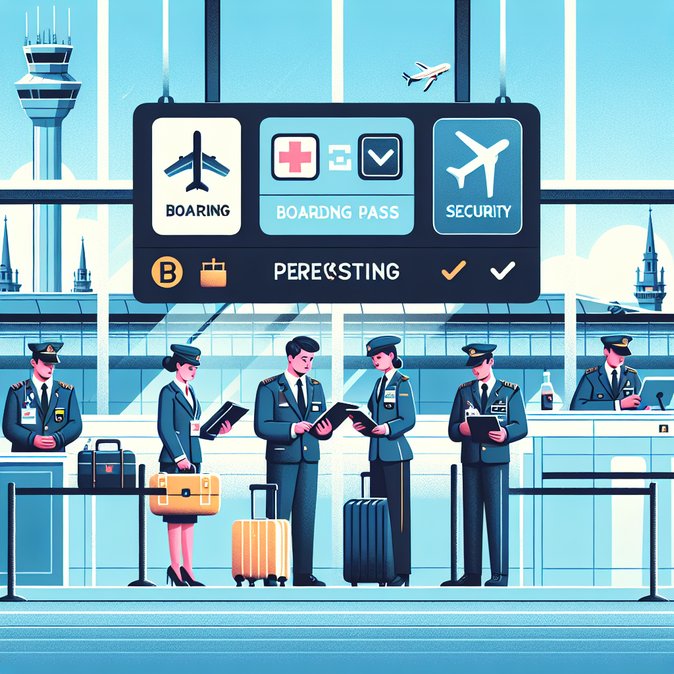
Finnish social-insurance chief Lasse Lehtonen was escorted from the gate area of Brussels Airport on 5 December after attempting to board a Finnair flight to Helsinki without a valid boarding pass. Belgian airport security called local police, who accompanied Lehtonen to the terminal medical centre after he appeared disoriented. The incident, confirmed by Belgian authorities and reported by Helsingin Sanomat and Ilta-Sanomat, underscores the strict ‘go-no-go’ access controls now enforced at many European hubs, including Helsinki-Vantaa.
Under EU Regulation (EC) 300/2008 and subsequent amendments, passengers must present a valid boarding pass—or a mobile pass with verifiable QR code—at both the security checkpoint and the boarding gate. Airports that operate one-person-one-pass systems, such as Brussels and Helsinki, lock gate readers once the final head-count is completed. Attempting to board without a scanable document triggers an automated security alert.
![Airport security incident highlights strict boarding-pass rules at Brussels and Helsinki hubs]()
Finavia introduced similar electronic gate locks at Helsinki-Vantaa earlier this year, meaning travellers who lose a phone or paper pass after security screening must return to a check-in counter for re-issuance. For corporate travel managers the takeaway is clear: ensure travellers keep boarding passes accessible, especially on multi-leg itineraries where re-printing may be impossible in transit areas.
The Lehtonen case also shows that medical episodes can quickly escalate into security incidents. Companies should review their duty-of-care policies to cover assistance for employees who fall ill abroad and establish emergency contact protocols with local airport authorities.
While the event has no direct regulatory fallout, Finnish media attention may prompt Finavia and Finnair to remind travellers of boarding-pass rules ahead of the holiday peak travel season.
Under EU Regulation (EC) 300/2008 and subsequent amendments, passengers must present a valid boarding pass—or a mobile pass with verifiable QR code—at both the security checkpoint and the boarding gate. Airports that operate one-person-one-pass systems, such as Brussels and Helsinki, lock gate readers once the final head-count is completed. Attempting to board without a scanable document triggers an automated security alert.

Finavia introduced similar electronic gate locks at Helsinki-Vantaa earlier this year, meaning travellers who lose a phone or paper pass after security screening must return to a check-in counter for re-issuance. For corporate travel managers the takeaway is clear: ensure travellers keep boarding passes accessible, especially on multi-leg itineraries where re-printing may be impossible in transit areas.
The Lehtonen case also shows that medical episodes can quickly escalate into security incidents. Companies should review their duty-of-care policies to cover assistance for employees who fall ill abroad and establish emergency contact protocols with local airport authorities.
While the event has no direct regulatory fallout, Finnish media attention may prompt Finavia and Finnair to remind travellers of boarding-pass rules ahead of the holiday peak travel season.