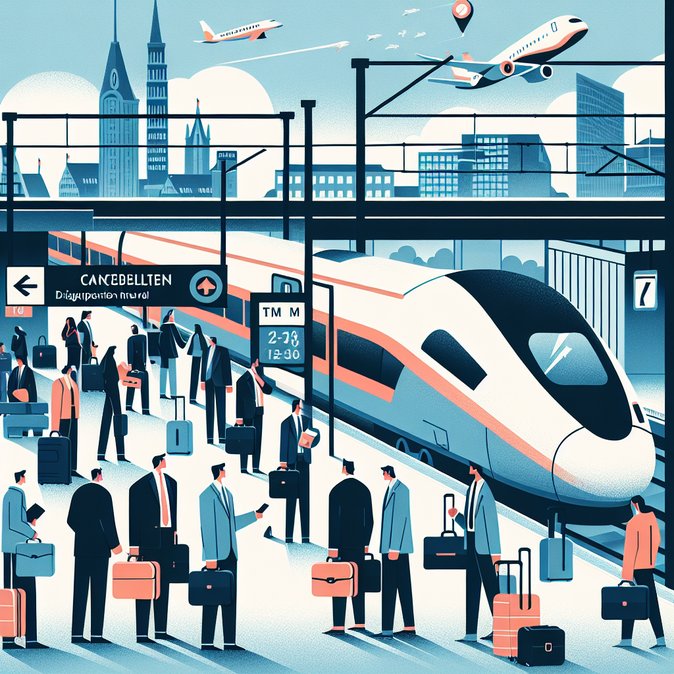
Travellers heading from Belgium to the Netherlands faced a rough start to the weekend as at least five Eurostar-Thalys high-speed services between Brussels-Midi and Amsterdam Schiphol were cancelled and another was running late, according to the live timetable published on Eurostar.com for Saturday, 6 December. The withdrawn trains include early-morning service ER 9397 (06:53 Brussels), mid-morning ES 9427 (11:53), and afternoon ER 9439 (13:53) and ER 9463 (17:53), while service ES 9339 was showing significant delays.
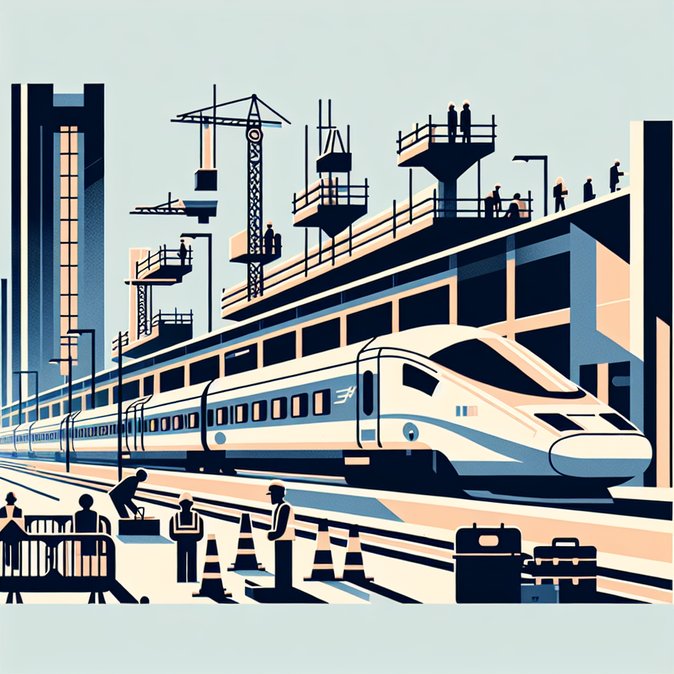
Industry insiders attribute the disruption to track-renewal work and signalling upgrades on the Dutch high-speed line south of Rotterdam, compounded by crew-rostering challenges following Belgium’s recent general strike. The cancellations create a domino effect for itineraries that rely on Schiphol’s intermodal hub, impacting Belgian corporates with onward long-haul flights to the Americas and Asia as well as Dutch commuters who reverse-commute to Brussels’ EU quarter.
![Multiple Brussels–Schiphol high-speed trains cancelled or delayed on 6 December amid Dutch engineering works]()
Passengers booked on the affected services may travel on the next available train without surcharge, but standing-room-only scenarios are likely during peak hours. Eurostar Group recommends arriving at Brussels-Midi at least 45-60 minutes before departure to clear security and vaccination-status checks and warns that bikes and oversize luggage may be refused on replacement trains.
Travel-management companies are advising clients to consider the slower—but more resilient—Intercity service via Antwerp and Rotterdam, or to switch to short-haul flights from Brussels Airport to Amsterdam if tight onward connections exist. Door-to-door journey times, however, can easily double once airport security and transfer times are factored in.
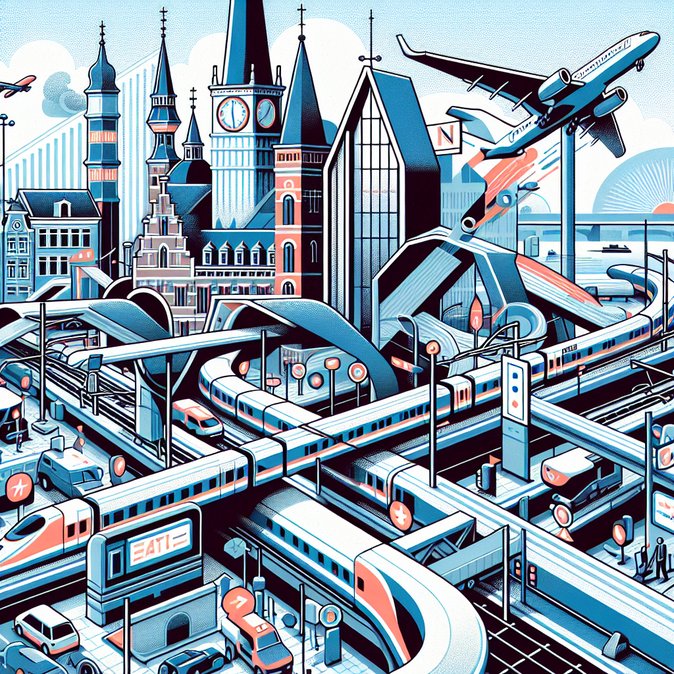
The disruption underscores persistent infrastructure bottlenecks on a corridor earmarked by the EU for high-speed modal shift from air to rail. Business travellers should expect sporadic weekend engineering works through Q1 2026 as Dutch rail operator ProRail completes signalling migrations ahead of the ETCS rollout.
Industry insiders attribute the disruption to track-renewal work and signalling upgrades on the Dutch high-speed line south of Rotterdam, compounded by crew-rostering challenges following Belgium’s recent general strike. The cancellations create a domino effect for itineraries that rely on Schiphol’s intermodal hub, impacting Belgian corporates with onward long-haul flights to the Americas and Asia as well as Dutch commuters who reverse-commute to Brussels’ EU quarter.
Passengers booked on the affected services may travel on the next available train without surcharge, but standing-room-only scenarios are likely during peak hours. Eurostar Group recommends arriving at Brussels-Midi at least 45-60 minutes before departure to clear security and vaccination-status checks and warns that bikes and oversize luggage may be refused on replacement trains.
Travel-management companies are advising clients to consider the slower—but more resilient—Intercity service via Antwerp and Rotterdam, or to switch to short-haul flights from Brussels Airport to Amsterdam if tight onward connections exist. Door-to-door journey times, however, can easily double once airport security and transfer times are factored in.
The disruption underscores persistent infrastructure bottlenecks on a corridor earmarked by the EU for high-speed modal shift from air to rail. Business travellers should expect sporadic weekend engineering works through Q1 2026 as Dutch rail operator ProRail completes signalling migrations ahead of the ETCS rollout.