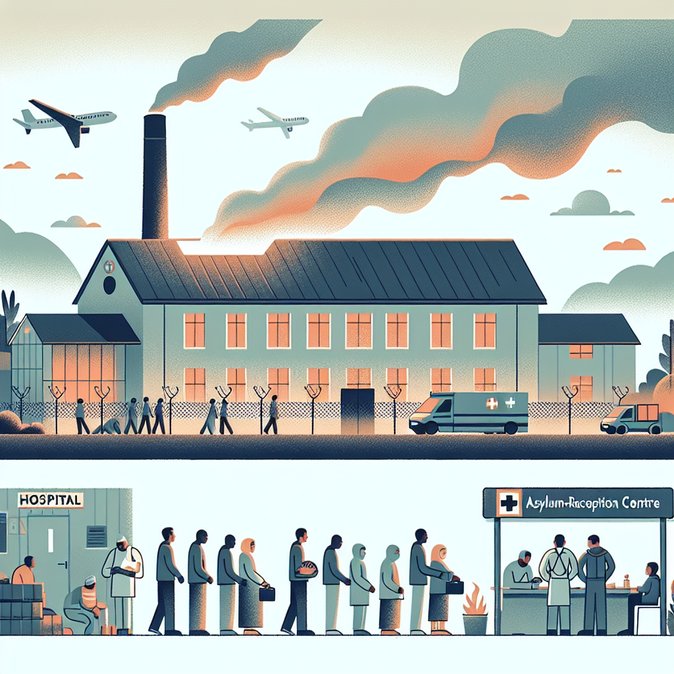
A serious blaze broke out on the morning of 4 December at Fedasil’s reception centre on Kemmelseweg in Ypres, West Flanders. Emergency services were alerted shortly before 09:00 when heavy smoke and visible flames were reported in one of the residential wings. Fire-fighters evacuated the 80 asylum seekers and staff on site and battled the flames for more than three hours before declaring the fire under control at 12:20. Four residents and seven employees were taken to hospital for checks related to smoke inhalation, but no life-threatening injuries have been reported.
Local authorities activated the BE-Alert public-warning system, urging nearby households and businesses to close windows and switch off ventilation to avoid smoke exposure. Residents were allowed to resume normal activity once air-quality readings returned to safe levels. The West Flanders public prosecutor has appointed a fire expert to investigate the origin of the blaze; early indications suggest it started in a bedroom but foul play has not been ruled out.
![Fire at Ypres asylum centre forces evacuation; 11 people hospitalised]()
Fedasil and the Red Cross have relocated the centre’s residents to alternative accommodation on the same campus while damage is assessed. Initial inspections show the affected building is beyond repair. Fedasil says priority will be given to finding longer-term housing for families, women and unaccompanied minors, while single men may be moved to other facilities in the national network, which is already at full capacity.
For employers and relocation managers, the incident is another reminder of persistent capacity and safety pressures in Belgium’s asylum-reception system. Temporary closures reduce the number of available beds and can lengthen waiting lists for accommodation permits—delays that can affect work-permit processing and onboarding schedules for international hires. Companies with transferees or assignees awaiting family-reunification decisions should factor potential administrative slow-downs into project timelines and budget contingency funds for emergency housing.
In practical terms, global-mobility teams should advise affected employees and their dependants to keep identity documents readily available when visiting reception sites, register with local authorities for updates, and monitor Fedasil communications for relocation instructions. Employers may also consider partnering with NGOs to support emergency relief efforts or sponsor community housing projects that alleviate pressure on the reception network.
Local authorities activated the BE-Alert public-warning system, urging nearby households and businesses to close windows and switch off ventilation to avoid smoke exposure. Residents were allowed to resume normal activity once air-quality readings returned to safe levels. The West Flanders public prosecutor has appointed a fire expert to investigate the origin of the blaze; early indications suggest it started in a bedroom but foul play has not been ruled out.

Fedasil and the Red Cross have relocated the centre’s residents to alternative accommodation on the same campus while damage is assessed. Initial inspections show the affected building is beyond repair. Fedasil says priority will be given to finding longer-term housing for families, women and unaccompanied minors, while single men may be moved to other facilities in the national network, which is already at full capacity.
For employers and relocation managers, the incident is another reminder of persistent capacity and safety pressures in Belgium’s asylum-reception system. Temporary closures reduce the number of available beds and can lengthen waiting lists for accommodation permits—delays that can affect work-permit processing and onboarding schedules for international hires. Companies with transferees or assignees awaiting family-reunification decisions should factor potential administrative slow-downs into project timelines and budget contingency funds for emergency housing.
In practical terms, global-mobility teams should advise affected employees and their dependants to keep identity documents readily available when visiting reception sites, register with local authorities for updates, and monitor Fedasil communications for relocation instructions. Employers may also consider partnering with NGOs to support emergency relief efforts or sponsor community housing projects that alleviate pressure on the reception network.