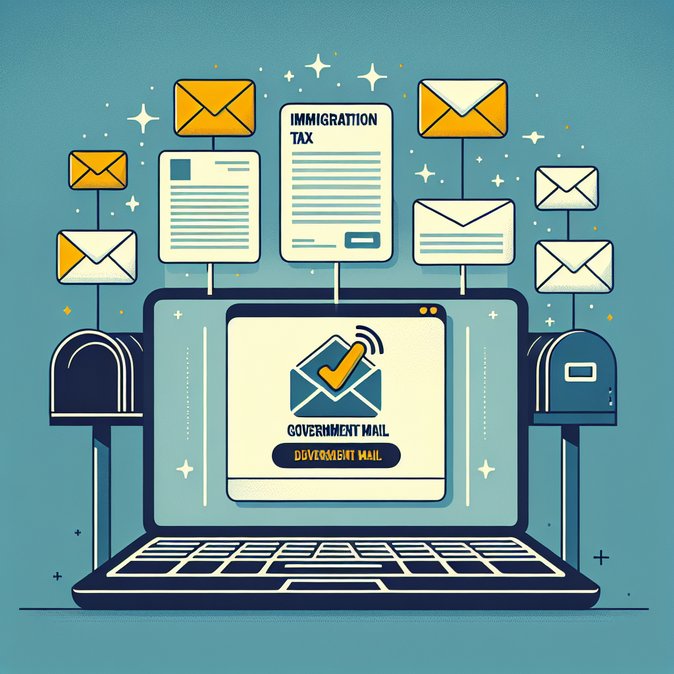
From 2 December 2025, everyone who authenticates with Suomi.fi e-Identification will see a pop-up banner if they have unread messages waiting in their Suomi.fi inbox. The Digital and Population Data Services Agency (DVV) says the extra reminder complements existing e-mail and push alerts and is meant to stop time-critical government letters—such as residence-permit decisions, tax bills or appointment notices—being overlooked.
The tweak is the first visible step in a much larger reform: on 1 January 2026, Finland’s long-planned “digital-first” mail law comes into force. Once the law is active, all adults who log in to any national, municipal or wellbeing-area e-service will automatically be opted in to Suomi.fi Messages unless they have already enrolled. Traditional paper post will become the exception for most residents, with exemptions only for minors, legally incapacitated persons and people who never use online public services.
![Suomi.fi adds real-time inbox alert at login as Finland prepares for digital-first government mail in 2026]()
For globally mobile employees and their HR teams the change removes a major pain-point. Until now, expatriates and frequent travellers risked missing paper letters that arrived at their registered Finnish address while they were abroad—potentially jeopardising visa extensions, tax filings or driver-licence renewals. After the reform, official correspondence will be available anywhere with an internet connection, and the new banner adds a final safety net if e-mail forwarding fails.
DVV recommends that foreigners living in Finland verify that the e-mail address stored in Suomi.fi Messages is up to date and download the Suomi.fi mobile app, which pushes notifications in English, Finnish or Swedish. Users who still prefer paper can switch back, but only after the digital mailbox has been created and only for six-month periods at a time.
The agency is also advising employers to update mobility and relocation handbooks: new hires arriving after 2026 will have digital mail by default, which changes how they receive Kela benefit letters, Migri residence-permit decisions and local-authority invoices. Companies that currently rely on staff checking physical post boxes—common in serviced apartments—should migrate their internal processes to the online channel before the summer work-permit peak.
The tweak is the first visible step in a much larger reform: on 1 January 2026, Finland’s long-planned “digital-first” mail law comes into force. Once the law is active, all adults who log in to any national, municipal or wellbeing-area e-service will automatically be opted in to Suomi.fi Messages unless they have already enrolled. Traditional paper post will become the exception for most residents, with exemptions only for minors, legally incapacitated persons and people who never use online public services.

For globally mobile employees and their HR teams the change removes a major pain-point. Until now, expatriates and frequent travellers risked missing paper letters that arrived at their registered Finnish address while they were abroad—potentially jeopardising visa extensions, tax filings or driver-licence renewals. After the reform, official correspondence will be available anywhere with an internet connection, and the new banner adds a final safety net if e-mail forwarding fails.
DVV recommends that foreigners living in Finland verify that the e-mail address stored in Suomi.fi Messages is up to date and download the Suomi.fi mobile app, which pushes notifications in English, Finnish or Swedish. Users who still prefer paper can switch back, but only after the digital mailbox has been created and only for six-month periods at a time.
The agency is also advising employers to update mobility and relocation handbooks: new hires arriving after 2026 will have digital mail by default, which changes how they receive Kela benefit letters, Migri residence-permit decisions and local-authority invoices. Companies that currently rely on staff checking physical post boxes—common in serviced apartments—should migrate their internal processes to the online channel before the summer work-permit peak.