The Council of Ministers on 29 November formally endorsed the EU Tourism Agenda 2030, committing Cyprus to 27 action lines ranging from low-carbon transport to digital visitor-management tools. Deputy Tourism Minister Kostas Koumis said the roadmap will feed into a forthcoming 2030–2035 White Paper that details funding schemes for SMEs, electric-bus networks and water-stress mitigation—a key issue for island destinations.
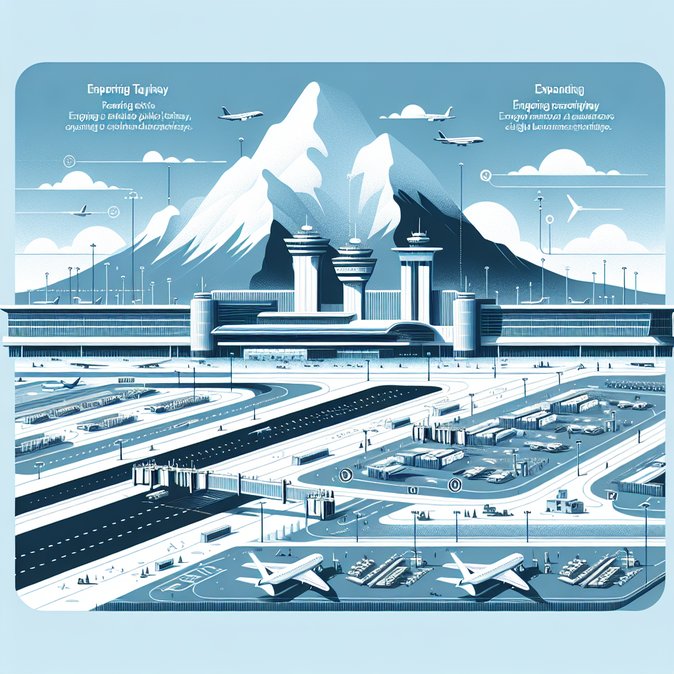
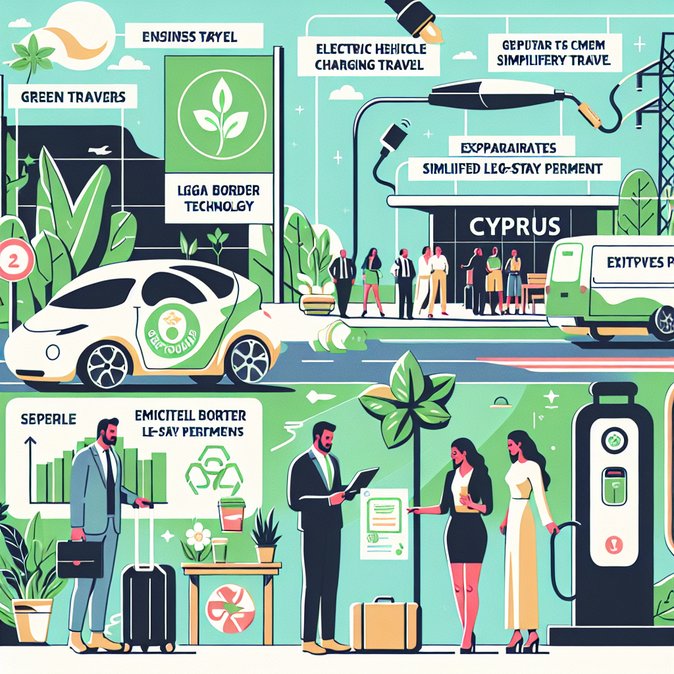
For mobility stakeholders the agenda translates into practical changes: hotels receiving state aid must install EV chargers, airports will introduce incentives for sustainable aviation fuel, and conference organisers can tap grants if they meet ‘net-zero event’ standards. The policy dovetails with upcoming Schengen Entry/Exit biometrics, positioning Cyprus as a test-bed for seamless border technology.
![Cyprus adopts EU Tourism Agenda 2030, signalling greener, tech-enabled visitor economy]()
Corporate-travel buyers expect a wider choice of certified green accommodation and tax breaks for off-season meetings, while relocation firms say the emphasis on digitalisation will streamline long-stay visitor permits and digital-nomad renewals. The Tourism Ministry estimates the strategy could unlock €500 million in EU and private capital over five years, boosting competitiveness against Spain and Greece.
Sceptics warn that delivering on the agenda requires faster permitting and coherent data-sharing across ministries; Koumis promised an inter-agency task force within six months.
For mobility stakeholders the agenda translates into practical changes: hotels receiving state aid must install EV chargers, airports will introduce incentives for sustainable aviation fuel, and conference organisers can tap grants if they meet ‘net-zero event’ standards. The policy dovetails with upcoming Schengen Entry/Exit biometrics, positioning Cyprus as a test-bed for seamless border technology.

Corporate-travel buyers expect a wider choice of certified green accommodation and tax breaks for off-season meetings, while relocation firms say the emphasis on digitalisation will streamline long-stay visitor permits and digital-nomad renewals. The Tourism Ministry estimates the strategy could unlock €500 million in EU and private capital over five years, boosting competitiveness against Spain and Greece.
Sceptics warn that delivering on the agenda requires faster permitting and coherent data-sharing across ministries; Koumis promised an inter-agency task force within six months.