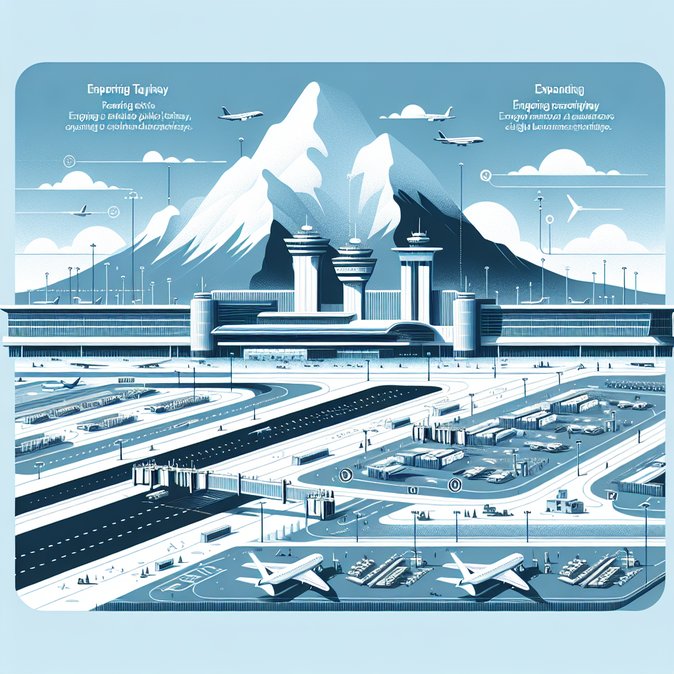
Hermes Airports has broken ground on the second phase of Paphos International Airport’s long-awaited expansion, a €220 million project that will extend the southern parallel taxiway, add two rapid-exit taxiways and enlarge the terminal by one-third. Night-time construction started on 27–28 November to avoid daytime closures; crews enter the runway after the last 23:30 departure and vacate before the first 06:00 arrival.
Once completed in mid-2027, Paphos’ peak-hour aircraft movements will rise from 12 to 18, boosting overall passenger capacity by roughly 30 percent. Six additional departure gates, an expanded baggage system and a new immigration hall wired for future Schengen Entry/Exit biometric e-gates form part of the upgrade. Rapid-exit taxiways alone are expected to trim runway occupancy by 45 seconds per jet, creating precious slots for low-cost carriers and business charters.
![€220 million runway and terminal upgrade begins at Paphos International Airport]()
For global mobility teams, the promise is greater seat inventory on crowded Western European and Gulf routes, easier weekend commuting for expatriates, and more flexibility for rotational assignees servicing energy projects in the Eastern Mediterranean. The expansion dovetails with Cyprus’ ambition to join the Schengen area later this decade, ensuring the new arrivals hall is “Schengen-ready” from day one.
Logistics managers should note that one arrivals-level traffic lane is closed for the duration of construction—passengers should budget an extra 15 minutes for pick-up and drop-off. Airlines have been briefed to expect occasional single-runway operations this winter, but Hermes insists disruption will be minimal thanks to the overnight work schedule.
Once completed in mid-2027, Paphos’ peak-hour aircraft movements will rise from 12 to 18, boosting overall passenger capacity by roughly 30 percent. Six additional departure gates, an expanded baggage system and a new immigration hall wired for future Schengen Entry/Exit biometric e-gates form part of the upgrade. Rapid-exit taxiways alone are expected to trim runway occupancy by 45 seconds per jet, creating precious slots for low-cost carriers and business charters.

For global mobility teams, the promise is greater seat inventory on crowded Western European and Gulf routes, easier weekend commuting for expatriates, and more flexibility for rotational assignees servicing energy projects in the Eastern Mediterranean. The expansion dovetails with Cyprus’ ambition to join the Schengen area later this decade, ensuring the new arrivals hall is “Schengen-ready” from day one.
Logistics managers should note that one arrivals-level traffic lane is closed for the duration of construction—passengers should budget an extra 15 minutes for pick-up and drop-off. Airlines have been briefed to expect occasional single-runway operations this winter, but Hermes insists disruption will be minimal thanks to the overnight work schedule.