Lufthansa pilots freeze strike plans after union gives airline new deadline
Berlin eases travel restrictions to Israel as cease-fire holds
Last-minute reprieve as Lufthansa pilots postpone strike over pension dispute
最新消息

German Interior Ministry presses ahead with deportations to Syria despite foreign-policy misgivings
Interior Minister Alexander Dobrindt confirms that Germany still plans to deport certain categories of Syrian nationals, even after the foreign minister voiced doubts on the ground situation in Damascus. The intra-government split could affect thousands of Syrians in Germany, strain EU negotiations and create HR headaches for firms employing talent with temporary protection.
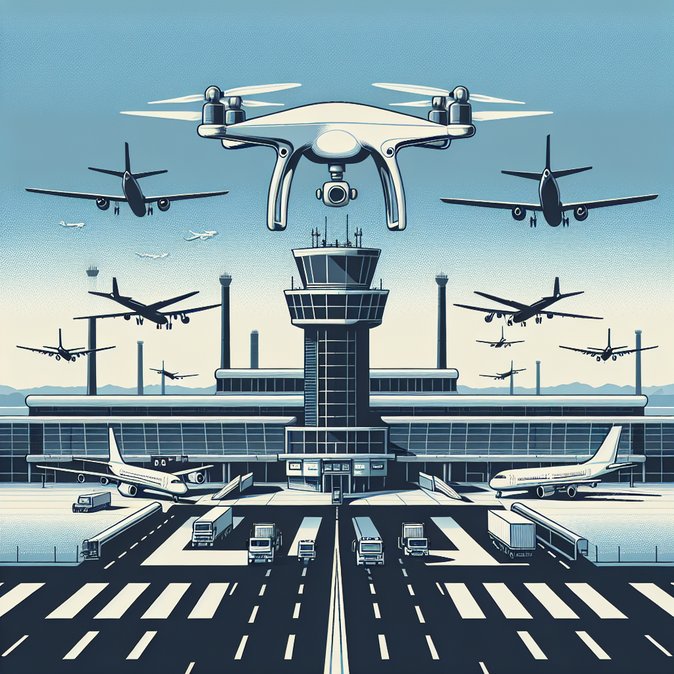
Drone incursion shuts Berlin Brandenburg Airport for two hours, triggers security backlash
A confirmed drone breach halted operations at BER for two hours on 1 November, causing diversions and renewed calls for a federal counter-drone strategy. The episode highlights the growing security threat unmanned aircraft pose to Germany’s civil-aviation network and the potential for sudden travel disruption.

Merz and Erdoğan Agree to Accelerate Repatriations and Skilled-Migration Talks on First Official Visit
During Chancellor Merz’s 30 October visit to Ankara, Germany and Turkey agreed to accelerate deportations of failed asylum seekers and to pilot a two-week fast-track EU Blue Card process for qualified Turkish professionals. The deal signals Berlin’s new “tougher returns, wider talent door” approach and offers fresh opportunities – and compliance risks – for mobility managers moving staff between the two countries.
Nation-Wide Airport Strike Disrupts 3,400 Flights, Forcing Corporates to Reroute Travellers
An 11-airport strike on 30 October grounded 3,400 flights across Germany, disrupting business travel and high-value cargo flows. With wage talks unresolved, employers should prepare contingency plans for further walk-outs during the peak holiday season.
Germany abolishes informal visa-appeal (remonstration) procedure worldwide
From 1 July 2025, the easy, embassy-level “remonstration” against a German Schengen-visa refusal disappears. Rejected travellers—including business visitors—must either lodge a costly court appeal in Berlin or pay for a brand-new application, increasing both time and expense for corporate mobility programmes.

Germany scraps fast-track citizenship scheme after one year
Berlin has repealed the 2024 fast-track citizenship rule that let qualified foreigners naturalise after three years. Pending applications revert to the regular five-year residence requirement, forcing employers to revisit long-term assignment timelines and talent-retention strategies.

U.S. to introduce biometric exit checks and higher visa fees—German travellers face tighter rules from 26 December
From 26 December, German visitors to the U.S. must enrol fingerprints in advance and will pay higher ESTA fees under a new biometric Entry/Exit regime. Corporates are urged to build extra lead-time and update privacy disclosures.

Schengen visa bottlenecks for Turkish travellers intensify as appointment ‘black market’ spreads
Germany’s visa sections in Türkiye now top 60-day appointment waits, fuelling a black-market where slots are resold for up to €400. The squeeze disrupts short-notice business travel and forces companies to schedule German visits well in advance or relocate meetings to visa-free venues.

Germany’s Fast-Track Citizenship Scheme Officially Ends, Extending Naturalisation Wait to Five Years
Germany’s three-year “turbo citizenship” route ended on 30 October 2025, reinstating a uniform five-year naturalisation period for all foreign residents. Pending applications convert to the standard track, forcing employers to revise talent-retention timelines. Dual citizenship after five years remains, but global mobility teams must update policies and expectations.
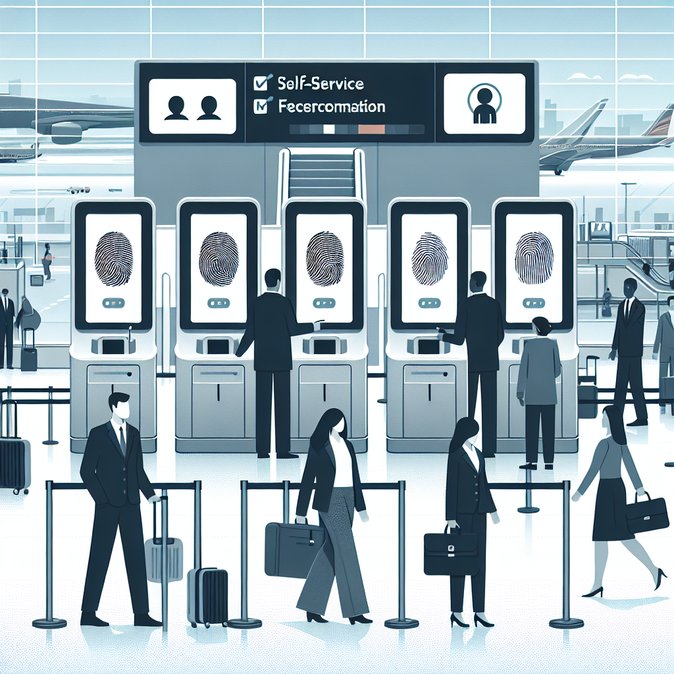
Frankfurt Airport Begins Roll-Out of EU Entry/Exit System, Retires Passport Stamps
Frankfurt Airport has started live testing of the EU’s biometric Entry/Exit System, replacing passport stamps with self-service kiosks that collect fingerprints and facial images. The scheme will be phased in nationwide within six months and fully across Schengen by April 2026, affecting all non-EU business and leisure travellers. Companies should expect initial delays and tighten travel-tracking processes to avoid over-stay penalties.
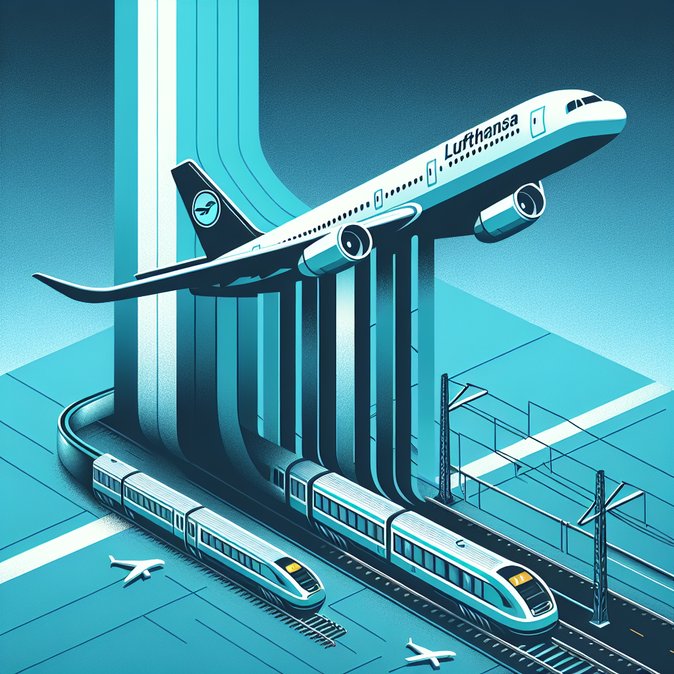
Lufthansa to Cut 50 Weekly Domestic Flights From March 2026 as Taxes Bite
Lufthansa will drop about 50 domestic frequencies from March 2026, blaming rising German aviation taxes. Fewer seats on key feeder routes will force travellers onto trains or more expensive remaining flights.
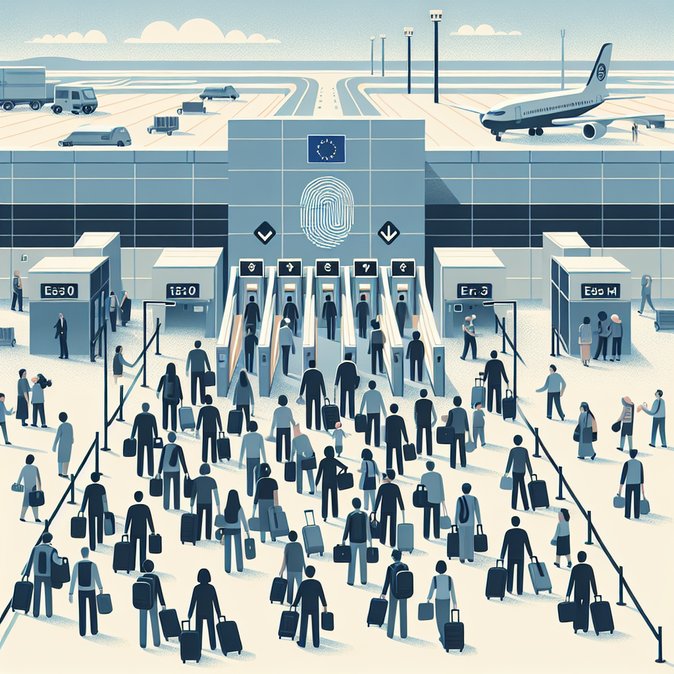
Frankfurt Airport goes live with EU Entry/Exit System, first day brings mixed reviews
Frankfurt Airport activated the EU’s biometric Entry/Exit System on 29 October, replacing passport stamps for non-EU nationals. Early results show faster processing for most passengers, but glitches caused sporadic queues, prompting officials to advise extra buffer time for connecting flights.

Chancellor Merz Heads to Ankara to Push Turkey on 22,000 Pending Deportations
Chancellor Merz will meet President Erdoğan on 30–31 October to demand faster acceptance of more than 22,000 Turks under German deportation orders. The push is central to Berlin’s strategy to tighten asylum enforcement while safeguarding business-friendly migration channels.
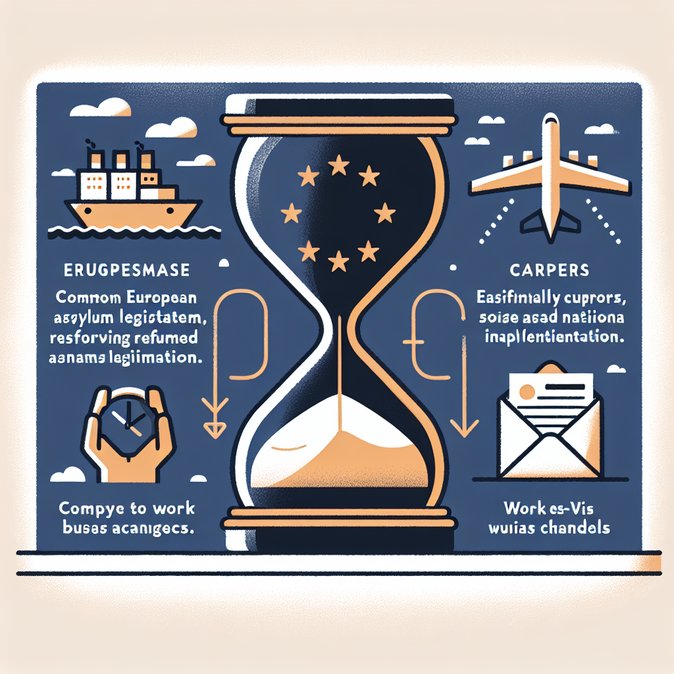
Bundestag Schedules Hearing to Align German Asylum Law with EU-wide GEAS Reform
Parliament’s Interior Committee has fixed 3 November 2025 for a public hearing on two bills that will bring German asylum legislation into line with the EU’s new Common European Asylum System. The move starts the clock on national implementation of EU-wide border screening and fast-track procedures, with significant compliance consequences for carriers and mobility managers. Businesses should watch the upcoming hearing for clarity on how GEAS will interface with work-visa channels.

EU Immigration Committee Meets, Germany Pushes for ‘Return Hubs’ & EES Fine-Tuning
At the 27 October 2025 SCIFA meeting, Germany tabled proposals for off-shore ‘return hubs’ and pressed for improvements to the new EU Entry/Exit System to reduce airport bottlenecks. Decisions taken in coming months will directly influence visa lead-times and border-waits for travellers to Germany.

easyJet Opens Berlin–Seville Route, Expands Capital’s Winter Network
easyJet began BER–Seville service on 27 October 2025, restoring a direct link lost since 2017 and giving Berlin’s business and expatriate community faster access to Andalusia. The carrier will add BER–London Southend on 7 November, boosting German-UK connectivity.

Discover Airlines Adds Seychelles & Punta Cana to German Long-Haul Map
On 27 October 2025, Discover Airlines inaugurated two new long-haul routes: Frankfurt–Seychelles (now year-round) and Munich–Punta Cana (only direct link from Bavaria). The move strengthens Germany’s leisure connectivity, relieves capacity pressure on Lufthansa, and creates fresh one-stop options for business travellers and assignees heading to the Indian Ocean or Caribbean.

400 flight delays and multiple cancellations snarl business travel at five major German hubs
A mix of staffing shortages, Entry/Exit System teething problems and bad weather triggered more than 400 delays and several cancellations at Germany’s five largest airports on 26 October, affecting Lufthansa, KLM, easyJet and Eurowings passengers. Companies should expect continued weekend volatility while the new border-control technology beds in.
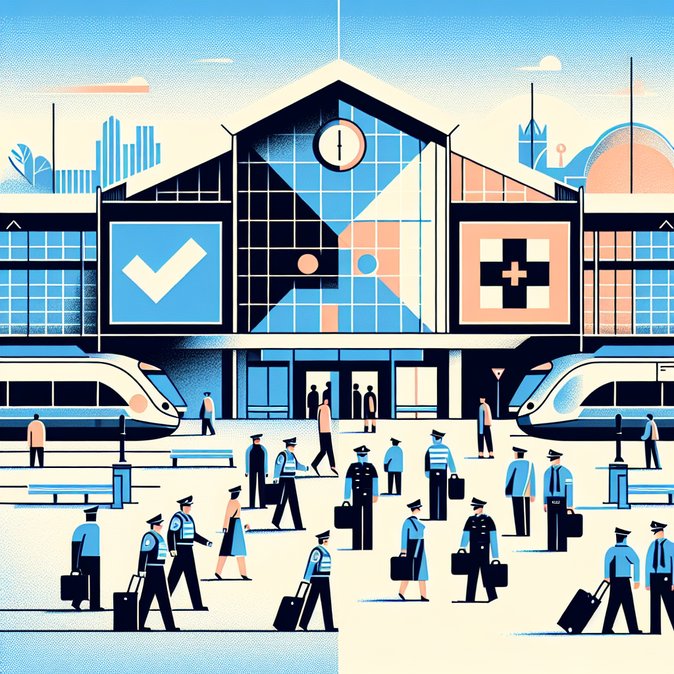
SPD and Greens call for redeploying 4,000 border-police officers from internal borders to railway stations
Social-Democrat and Green MPs urged the Interior Ministry to pull thousands of Federal Police officers off Germany’s internal Schengen borders and redeploy them to rail stations, arguing that high-tech controls make manual checks redundant. Conservatives oppose the idea, so business travellers face continued uncertainty over border wait times.
Germany’s family-reunification freeze: 1,500 hardship visa requests, zero approvals after three months
A parliamentary reply shows that, despite 1,500 hardship applications, not a single visa has been issued since Germany suspended family reunification for refugees with subsidiary protection on 24 July. The revelation intensifies criticism that the two-year freeze was designed to deter migrants rather than relieve infrastructure pressure, and leaves companies scrambling to support separated employees.