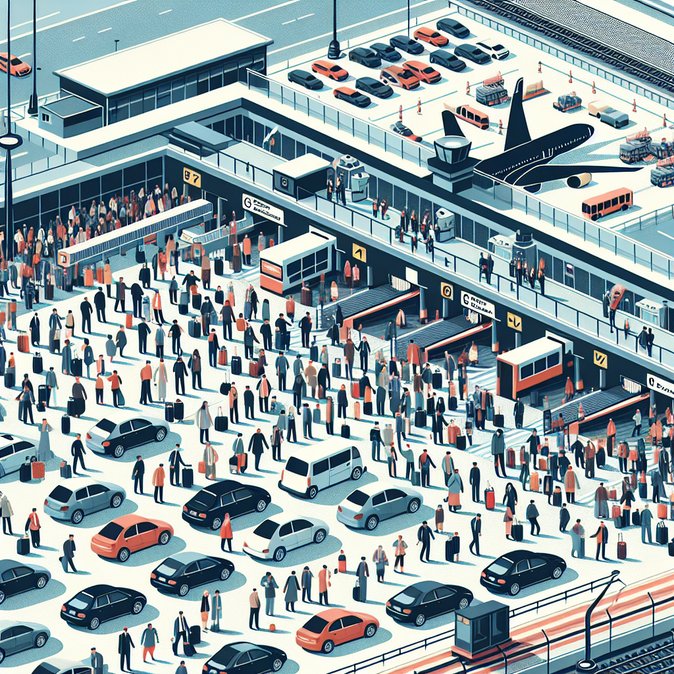
With the EU’s new biometric Entry/Exit System (EES) live since 12 October, many third-country nationals made their first ‘EES-recorded’ entry during the school-holiday rush. A practical guide published on 23 October outlines what happens on subsequent trips – information that is particularly valuable for frequent business travellers to Belgium via Brussels Airport, Eurostar or road crossings.
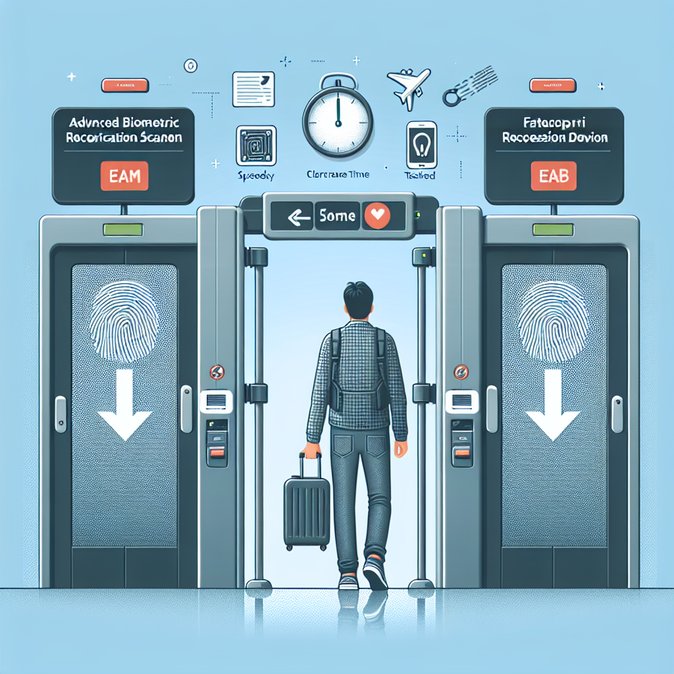
Once a traveller’s fingerprints and facial image are stored, later crossings should be quicker because only a single biometric (usually a facial scan) needs to be verified. Large hubs such as BRU, the Channel Tunnel terminal and the Port of Calais have installed self-service kiosks (“PRDs”) that work in tandem with automated e-gates. Smaller airports like Charleroi, however, still require a manual check at a border-guard booth until upgrades are completed.
Data retention is three years after the last exit, so mobile employees who rotate in and out of Belgium multiple times per year will remain continuously registered. The guide recommends keeping passports in good physical condition because damaged chips can force a fallback to manual lanes – a key point for assignees whose documents get heavy use.
For HR, the shift means arrival-time assumptions must be reconsidered: border clearance could be rapid for “EES-known” travellers but slow for colleagues still entering biometrics, creating unpredictability for group movements. Companies should monitor live-queue data and schedule staggered car-pickups. Eurostar has warned that until April 2026 manual stamping will continue in parallel, so dual processing may persist at peak times.
Once a traveller’s fingerprints and facial image are stored, later crossings should be quicker because only a single biometric (usually a facial scan) needs to be verified. Large hubs such as BRU, the Channel Tunnel terminal and the Port of Calais have installed self-service kiosks (“PRDs”) that work in tandem with automated e-gates. Smaller airports like Charleroi, however, still require a manual check at a border-guard booth until upgrades are completed.
Data retention is three years after the last exit, so mobile employees who rotate in and out of Belgium multiple times per year will remain continuously registered. The guide recommends keeping passports in good physical condition because damaged chips can force a fallback to manual lanes – a key point for assignees whose documents get heavy use.
For HR, the shift means arrival-time assumptions must be reconsidered: border clearance could be rapid for “EES-known” travellers but slow for colleagues still entering biometrics, creating unpredictability for group movements. Companies should monitor live-queue data and schedule staggered car-pickups. Eurostar has warned that until April 2026 manual stamping will continue in parallel, so dual processing may persist at peak times.