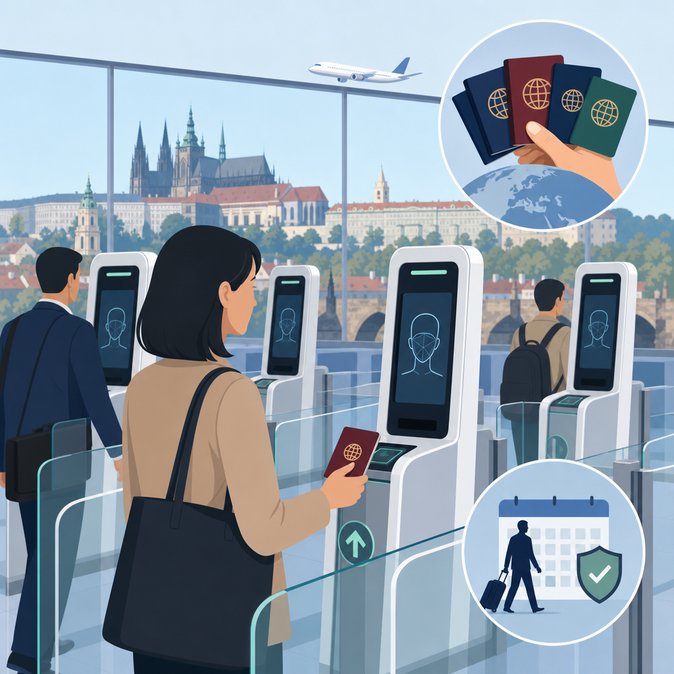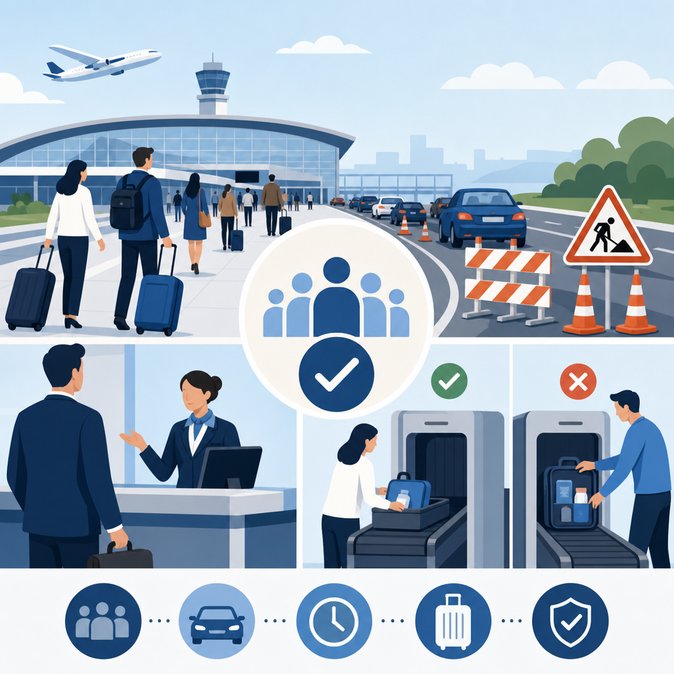
Václav Havel Airport Prague kicked off the main holiday season on 23 May with a consumer-facing “Check In” campaign that pairs practical travel advice with a broader operational reset designed to cope with what management say will be the busiest summer in the airport’s history. Passenger numbers have been rising steadily since pandemic restrictions were lifted; the airport handled 17.7 million travellers in 2025 and now expects to break the 18.9 million mark in 2026. To avoid the chronic bottlenecks seen at several major European hubs last year, Prague Airport is publishing five core recommendations: arrive at least 2½ hours before departure; double-check passport validity and destination entry rules; use self-service check-in and bag-drop where available; respect terminal-specific security procedures (Terminal 1 still applies 100 ml liquid limits, Terminal 2 allows larger containers thanks to next-generation scanners); and pack lithium batteries and electronics correctly to avoid secondary screening.
![Prague Airport launches “Check In” campaign amid record summer rush]()
Travellers who realise their passport is nearing expiry or who need clarity on visa requirements can simplify the paperwork through VisaHQ. The company’s Czech Republic portal (https://www.visahq.com/czech-republic/) provides instant eligibility checks, step-by-step application guidance and optional courier services, ensuring passengers meet Prague Airport’s own advice on verifying entry rules well before departure.
Construction on the Aviatická–Lipská access road is expected to cause intermittent traffic jams throughout June and July. Airport chief operating officer Martin Kučera urged departing passengers to switch to the Airport Express bus or the newly extended 119 “fast-track” trolley-bus line where possible: “Losing 30 minutes in a traffic queue can mean a missed flight; public transport is both greener and more predictable this summer.” Behind the campaign sit a series of operational tweaks. Extra security staff have been rostered during the morning wave of holiday charters, while new digital signage pushes real-time wait-time data to passengers’ phones via the airport’s WhatsApp-based assistant AVA. The airport has also finished retro-fitting Terminal 2’s security lanes with Computed Tomography (CT) scanners, allowing most electronics to stay in bags—cutting inspection times by up to 35 percent. For travel managers, the message is clear: factor in longer landside transfer times, brief assignees on differing security rules by terminal, and remind employees that Czech electronic ID cards (eDoklady) are still not accepted at passport control. Failure to plan, the airport warns, could translate into missed connections and additional overnight costs for employers moving staff through Prague this summer.

Travellers who realise their passport is nearing expiry or who need clarity on visa requirements can simplify the paperwork through VisaHQ. The company’s Czech Republic portal (https://www.visahq.com/czech-republic/) provides instant eligibility checks, step-by-step application guidance and optional courier services, ensuring passengers meet Prague Airport’s own advice on verifying entry rules well before departure.
Construction on the Aviatická–Lipská access road is expected to cause intermittent traffic jams throughout June and July. Airport chief operating officer Martin Kučera urged departing passengers to switch to the Airport Express bus or the newly extended 119 “fast-track” trolley-bus line where possible: “Losing 30 minutes in a traffic queue can mean a missed flight; public transport is both greener and more predictable this summer.” Behind the campaign sit a series of operational tweaks. Extra security staff have been rostered during the morning wave of holiday charters, while new digital signage pushes real-time wait-time data to passengers’ phones via the airport’s WhatsApp-based assistant AVA. The airport has also finished retro-fitting Terminal 2’s security lanes with Computed Tomography (CT) scanners, allowing most electronics to stay in bags—cutting inspection times by up to 35 percent. For travel managers, the message is clear: factor in longer landside transfer times, brief assignees on differing security rules by terminal, and remind employees that Czech electronic ID cards (eDoklady) are still not accepted at passport control. Failure to plan, the airport warns, could translate into missed connections and additional overnight costs for employers moving staff through Prague this summer.