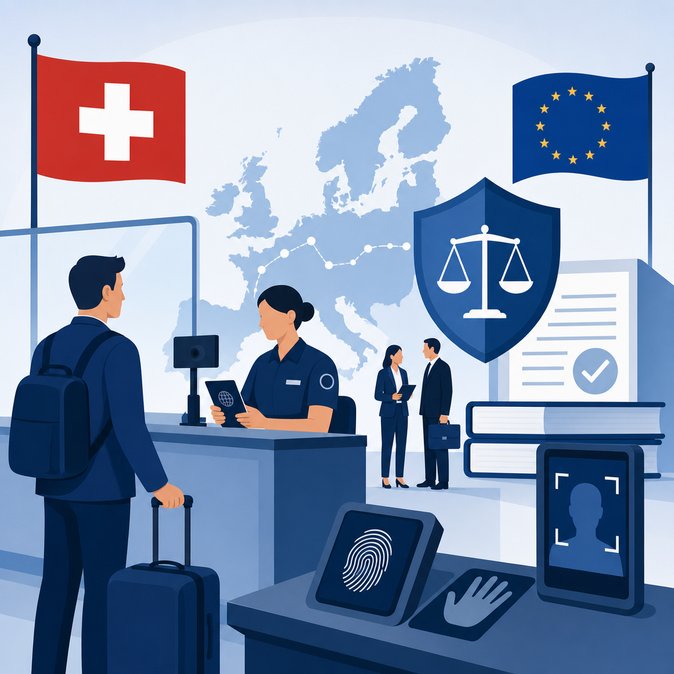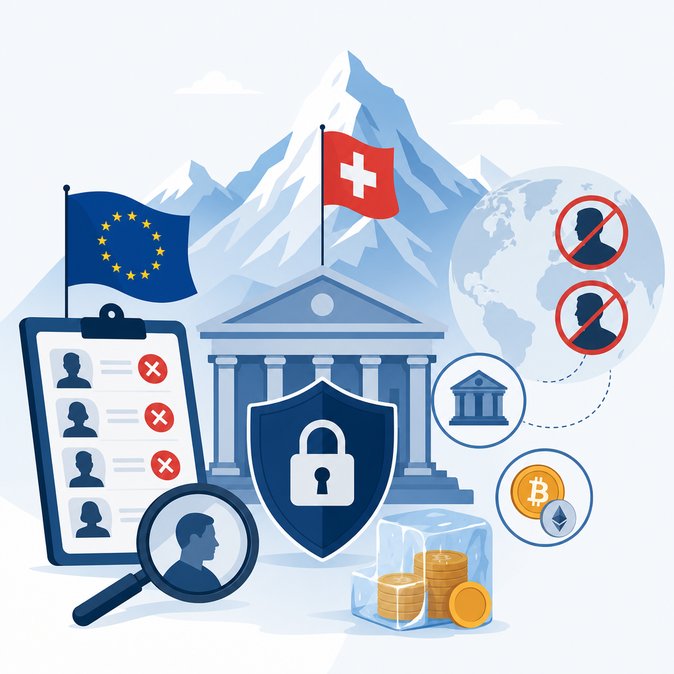
Late on 22 May the Federal Department of Economic Affairs, Education and Research (EAER) activated a sweeping update to Switzerland’s sanctions ordinances on Russia and Belarus. The move synchronises Swiss law with the European Union’s 20th sanctions package and places 115 additional individuals and entities under asset freezes and—crucially for global-mobility teams—entry and transit bans.
![Switzerland Adds 115 More Russian and Belarusian Names to Travel-Ban List]()
For organizations trying to determine whether their travellers are affected or to secure alternate visas on short notice, VisaHQ’s Switzerland platform (https://www.visahq.com/switzerland/) can provide instant rule checks, application support and alerts on evolving entry restrictions, helping mobility managers keep compliant itineraries on track even as sanctions shift.
Those newly blacklisted include executives in Russia’s military-industrial complex, senior energy-sector managers and officials accused of orchestrating the deportation of Ukrainian children. From a mobility-compliance standpoint, any travel to, from or through Switzerland by these individuals is now prohibited, and carriers transporting sanctioned persons risk fines and operating licence reviews. The ordinance also blocks 46 vessels deemed part of Moscow’s “shadow fleet” from Swiss territorial waters and ports. While Switzerland is landlocked, the measure bars Swiss logistics providers and insurers from facilitating services linked to the affected ships, tightening the screws on maritime trade routed through Swiss-based finance and re-insurance channels. Of particular interest to multinational companies is the financial dimension: twenty Russian banks and seven intermediaries in third countries now face transaction bans. Mobility managers must verify that salary payments, relocation allowances or vendor fees tied to Russian assignments do not transit sanctioned institutions. The ban on dealings in the digital rouble and the RUBx cryptocurrency from 26 May likewise requires HR and payroll teams to audit any crypto-settlement arrangements. Switzerland’s alignment maintains the credibility of its Schengen-associated visa regime, signalling that sanctioned individuals will face uniform travel restrictions across most of Europe. Corporations should update sanctioned-party screening lists immediately and brief relocating staff whose travel itineraries involve Russia, Belarus or neighbouring hub airports.

For organizations trying to determine whether their travellers are affected or to secure alternate visas on short notice, VisaHQ’s Switzerland platform (https://www.visahq.com/switzerland/) can provide instant rule checks, application support and alerts on evolving entry restrictions, helping mobility managers keep compliant itineraries on track even as sanctions shift.
Those newly blacklisted include executives in Russia’s military-industrial complex, senior energy-sector managers and officials accused of orchestrating the deportation of Ukrainian children. From a mobility-compliance standpoint, any travel to, from or through Switzerland by these individuals is now prohibited, and carriers transporting sanctioned persons risk fines and operating licence reviews. The ordinance also blocks 46 vessels deemed part of Moscow’s “shadow fleet” from Swiss territorial waters and ports. While Switzerland is landlocked, the measure bars Swiss logistics providers and insurers from facilitating services linked to the affected ships, tightening the screws on maritime trade routed through Swiss-based finance and re-insurance channels. Of particular interest to multinational companies is the financial dimension: twenty Russian banks and seven intermediaries in third countries now face transaction bans. Mobility managers must verify that salary payments, relocation allowances or vendor fees tied to Russian assignments do not transit sanctioned institutions. The ban on dealings in the digital rouble and the RUBx cryptocurrency from 26 May likewise requires HR and payroll teams to audit any crypto-settlement arrangements. Switzerland’s alignment maintains the credibility of its Schengen-associated visa regime, signalling that sanctioned individuals will face uniform travel restrictions across most of Europe. Corporations should update sanctioned-party screening lists immediately and brief relocating staff whose travel itineraries involve Russia, Belarus or neighbouring hub airports.