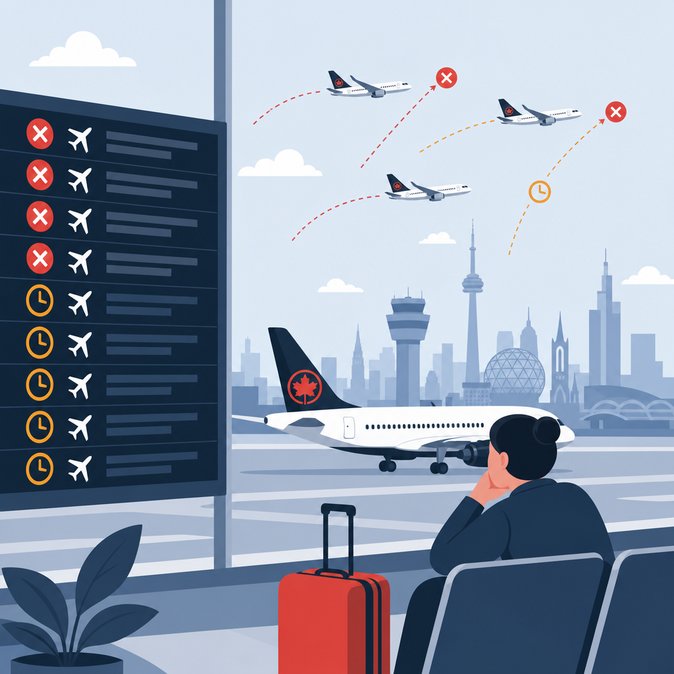
Travellers starting the Victoria Day long-weekend rush encountered fresh frustration on 22–23 May as Air Canada scrubbed nine flights and delayed at least 55 more across Toronto, Vancouver, Montréal, Calgary and Ottawa. The disruption, first reported by travel news outlet The Traveler on 23 May, highlights a pattern of strain that has dogged the flag carrier throughout the spring shoulder season.
![Air Canada cancellations and delays ripple through Canada’s five busiest hubs]()
For passengers whose disrupted plans suddenly involve unexpected layovers or rerouted itineraries, checking entry requirements quickly can be critical. VisaHQ’s online portal (https://www.visahq.com/canada/) lets travellers confirm whether they need transit visas, secure e-visas for alternate destinations, and handle other travel-document questions in minutes—helpful insurance when last-minute schedule changes threaten to add bureaucratic snags to an already stressful journey.
Although the raw numbers appear modest compared with the 180-plus flight disruptions logged on 14 May, the concentration on core domestic trunk routes amplified the impact. Toronto–Vancouver, Toronto–Montréal and Montréal–Calgary services all suffered rolling delays after early-morning aircraft arrived late, compressing already-tight turnaround windows. Aviation data analysts note that Air Canada’s utilisation rates hover above 11 hours per aircraft per day—efficient on paper but unforgiving when crews or aircraft are even slightly out of position. For business travellers, the knock-on effects included missed same-day meetings, tighter connection margins on trans-border itineraries and longer queues at customer-service desks as re-accommodation options filled up. Under Canada’s Air Passenger Protection Regulations, travellers may be eligible for compensation if the root cause lies within the airline’s control, but many claims hinge on whether delays are officially attributed to crew scheduling, maintenance, weather or air-traffic constraints. Air Canada has not issued a blanket waiver, but travel-management companies are advising corporate clients to pad schedules or book earlier flights when same-day connections are mission-critical. They also recommend that companies remind employees to keep receipts for hotel and meal expenses and to track actual departure and arrival times for potential claims. With peak summer demand only weeks away and load factors already trending above 85 percent on popular domestic routes, analysts predict that minor operational hiccups could again snowball into system-wide delays. Passengers booked through Canada’s major hubs should monitor flight status closely and build flexibility into itineraries until operational reliability stabilises.

For passengers whose disrupted plans suddenly involve unexpected layovers or rerouted itineraries, checking entry requirements quickly can be critical. VisaHQ’s online portal (https://www.visahq.com/canada/) lets travellers confirm whether they need transit visas, secure e-visas for alternate destinations, and handle other travel-document questions in minutes—helpful insurance when last-minute schedule changes threaten to add bureaucratic snags to an already stressful journey.
Although the raw numbers appear modest compared with the 180-plus flight disruptions logged on 14 May, the concentration on core domestic trunk routes amplified the impact. Toronto–Vancouver, Toronto–Montréal and Montréal–Calgary services all suffered rolling delays after early-morning aircraft arrived late, compressing already-tight turnaround windows. Aviation data analysts note that Air Canada’s utilisation rates hover above 11 hours per aircraft per day—efficient on paper but unforgiving when crews or aircraft are even slightly out of position. For business travellers, the knock-on effects included missed same-day meetings, tighter connection margins on trans-border itineraries and longer queues at customer-service desks as re-accommodation options filled up. Under Canada’s Air Passenger Protection Regulations, travellers may be eligible for compensation if the root cause lies within the airline’s control, but many claims hinge on whether delays are officially attributed to crew scheduling, maintenance, weather or air-traffic constraints. Air Canada has not issued a blanket waiver, but travel-management companies are advising corporate clients to pad schedules or book earlier flights when same-day connections are mission-critical. They also recommend that companies remind employees to keep receipts for hotel and meal expenses and to track actual departure and arrival times for potential claims. With peak summer demand only weeks away and load factors already trending above 85 percent on popular domestic routes, analysts predict that minor operational hiccups could again snowball into system-wide delays. Passengers booked through Canada’s major hubs should monitor flight status closely and build flexibility into itineraries until operational reliability stabilises.
More From Canada
View all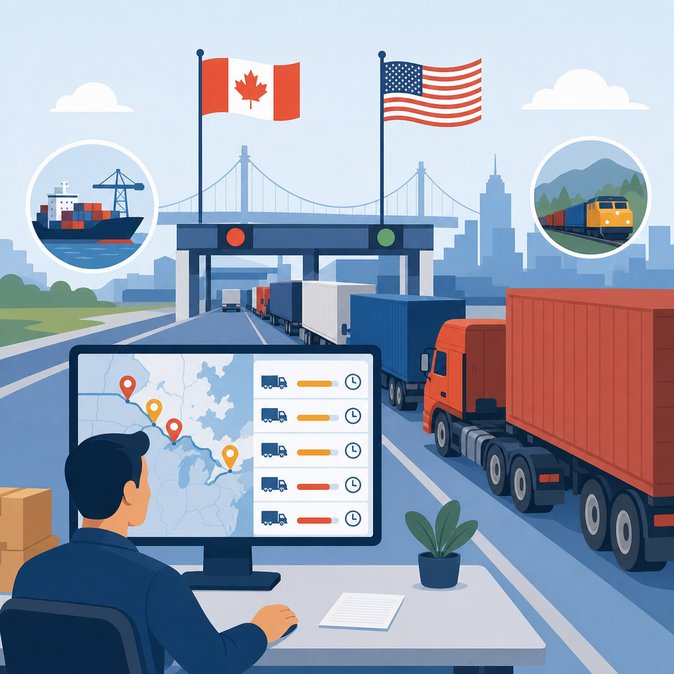
Live dashboard shows 45-minute waits at Pacific Highway as cross-border freight surges ahead of US Memorial Day

IRCC data show Express Entry backlog hits record low, easing wait times for skilled immigrants