Holidaymakers driving between Germany and Italy via Austria next weekend will need to re-route or rethink their journeys.
![Germany updates travel advisory as Brenner motorway faces full blockade on 30 May]()
Should any travellers find themselves in need of last-minute visa or travel document support before re-planning their route, VisaHQ can step in quickly. The company’s Austria portal (https://www.visahq.com/austria/) offers streamlined online applications, up-to-date entry requirements and personalised assistance, making it easier for holidaymakers, truck drivers and corporate staff to stay compliant even when itineraries suddenly change.
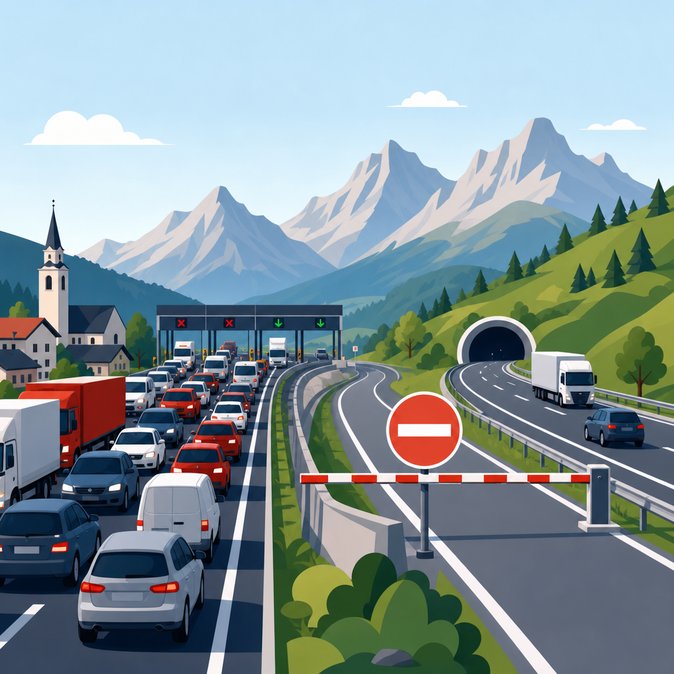
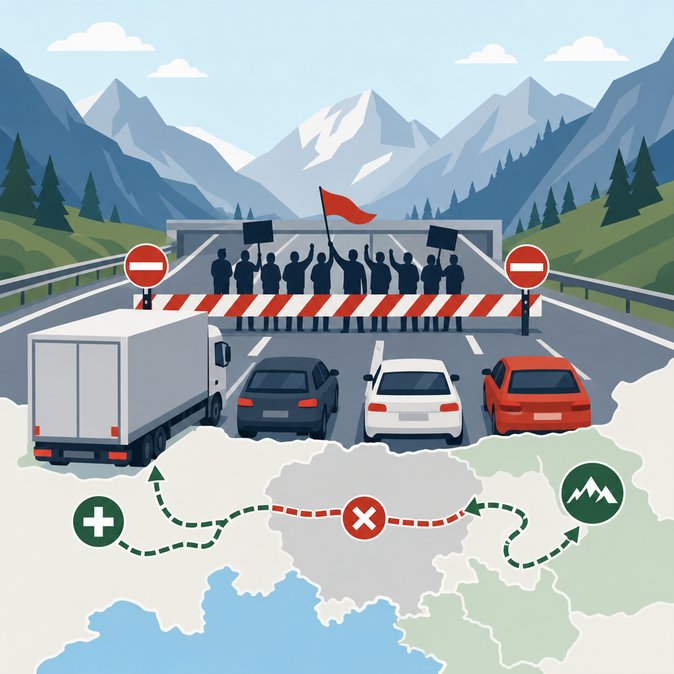
Early on 23 May the German Foreign Office (Auswärtiges Amt) updated its travel and security advice for Austria, warning of a “massive restriction of travel” on Saturday, 30 May 2026. The trigger is a day-long protest by residents of the Tyrolean Wipptal, who are demanding tougher action against transit traffic and air pollution. In response, the State of Tyrol has authorised a complete closure of the A13 Brenner motorway and the parallel B182 Brenner road between 11:00 and 19:00 (for trucks over 7.5 t already from 09:00). Heavy goods vehicles will be redirected to freight terminals or – if capacity is exhausted – turned around south of the Alps. Passenger cars will have no legal way to cross the frontier at the Brenner Pass for eight hours. German authorities stress that “there are no alternative routes through Tyrol” on that day. They advise tourists heading to Italy’s northern lakes or the Adriatic to avoid Tyrol altogether and instead use the Gotthard, San Bernardino or Reschen corridors – routes that are themselves prone to congestion. The Austrian road operator Asfinag and the Italian A22 company have issued similar guidance, recommending the Tarvisio crossing as the only realistic detour for essential traffic. For corporate mobility managers the blockade is more than a nuisance: the Brenner axis is a critical artery for just-in-time supply chains between Bavaria, Austria and northern Italy. Logistics firms are already rescheduling time-sensitive deliveries and alerting drivers to possible lay-over requirements. Business travellers with Monday meetings in Verona or Milan are being urged to fly or take rail services on Friday instead of driving. Police in Tyrol have announced that they will set up information points and enforce ‘exit bans’ on feeder roads to prevent motorists from leaving the motorway and clogging rural communities. Companies running expatriate or commuter shuttles through the region should brief staff, obtain real-time traffic feeds, and build longer rest periods into drivers’ tachographs to remain compliant with EU mobility regulations.

Should any travellers find themselves in need of last-minute visa or travel document support before re-planning their route, VisaHQ can step in quickly. The company’s Austria portal (https://www.visahq.com/austria/) offers streamlined online applications, up-to-date entry requirements and personalised assistance, making it easier for holidaymakers, truck drivers and corporate staff to stay compliant even when itineraries suddenly change.
Early on 23 May the German Foreign Office (Auswärtiges Amt) updated its travel and security advice for Austria, warning of a “massive restriction of travel” on Saturday, 30 May 2026. The trigger is a day-long protest by residents of the Tyrolean Wipptal, who are demanding tougher action against transit traffic and air pollution. In response, the State of Tyrol has authorised a complete closure of the A13 Brenner motorway and the parallel B182 Brenner road between 11:00 and 19:00 (for trucks over 7.5 t already from 09:00). Heavy goods vehicles will be redirected to freight terminals or – if capacity is exhausted – turned around south of the Alps. Passenger cars will have no legal way to cross the frontier at the Brenner Pass for eight hours. German authorities stress that “there are no alternative routes through Tyrol” on that day. They advise tourists heading to Italy’s northern lakes or the Adriatic to avoid Tyrol altogether and instead use the Gotthard, San Bernardino or Reschen corridors – routes that are themselves prone to congestion. The Austrian road operator Asfinag and the Italian A22 company have issued similar guidance, recommending the Tarvisio crossing as the only realistic detour for essential traffic. For corporate mobility managers the blockade is more than a nuisance: the Brenner axis is a critical artery for just-in-time supply chains between Bavaria, Austria and northern Italy. Logistics firms are already rescheduling time-sensitive deliveries and alerting drivers to possible lay-over requirements. Business travellers with Monday meetings in Verona or Milan are being urged to fly or take rail services on Friday instead of driving. Police in Tyrol have announced that they will set up information points and enforce ‘exit bans’ on feeder roads to prevent motorists from leaving the motorway and clogging rural communities. Companies running expatriate or commuter shuttles through the region should brief staff, obtain real-time traffic feeds, and build longer rest periods into drivers’ tachographs to remain compliant with EU mobility regulations.