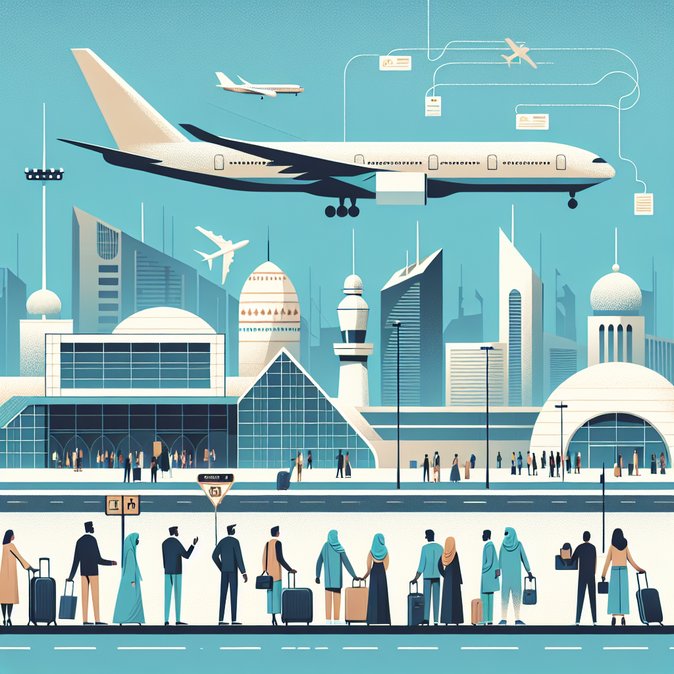
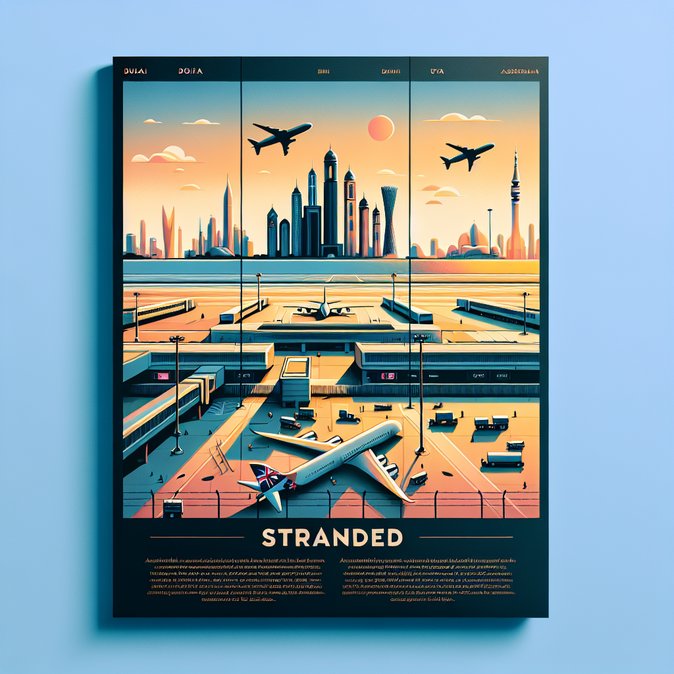
Nearly two weeks after US-Israeli strikes on Iran triggered blanket air-space closures over Qatar, the UAE and Bahrain, more than 100,000 Australian citizens and residents remain scattered across Middle-Eastern transit hubs. An analysis by aviation-data firm Cirium shows 27,000 commercial flights cancelled between 28 February and 9 March. On 10 March 2026 the travel-intelligence site Air Traveler Club reported that eight DFAT-facilitated commercial services have carried just 2,600 Australians home – many flights departing half-empty because travellers could not reach departure cities in time. Prime Minister Anthony Albanese issued an unprecedented directive: “If you hold a seat out of Dubai, Doha or Riyadh, take it – do not wait for a preferred routing.” The message reflects the fragile operating environment.
![Gulf Air-Space Crisis Leaves 100,000+ Australians Stranded; Government Urges Citizens to Take Any Available Seat]()
For Australians who still need to adjust their itineraries or secure emergency transit visas at short notice, services like VisaHQ can take some of the stress out of the process. The platform’s Australian portal (https://www.visahq.com/australia/) offers real-time guidance on entry rules, rapid application handling, and door-to-door passport pick-up for dozens of countries—valuable when border regulations are changing by the hour.
Qatar’s partial reopening has allowed limited departures, but airlines are reluctant to concentrate assets in a potential conflict zone. The government has chosen commercial charters over military evacuations to avoid escalating regional tensions and to contain costs – a decision criticised by opposition MPs after reports of economy tickets priced above AUD 15,000. DFAT has set up bus convoys from Doha to Riyadh, where lift capacity is marginally higher. The department is funding accommodation in the Saudi capital for registered travellers, prioritising families and medical cases. Yet, logistical bottlenecks persist: cross-border taxis cannot enter Saudi Arabia, leaving Australians to arrange multiple legs. Mobility teams with fly-in-fly-out staff in the Gulf are activating emergency-leave policies and re-routing personnel via Muscat or Istanbul, adding 10–14 hours to journeys. Travel insurers have invoked “war exclusion” clauses; only policies with optional “political unrest” riders are honouring flight and hotel claims. Corporate risk managers should therefore audit cover levels, especially for executives scheduled to transit the Gulf en route to Europe in the next quarter.
For Australians who still need to adjust their itineraries or secure emergency transit visas at short notice, services like VisaHQ can take some of the stress out of the process. The platform’s Australian portal (https://www.visahq.com/australia/) offers real-time guidance on entry rules, rapid application handling, and door-to-door passport pick-up for dozens of countries—valuable when border regulations are changing by the hour.
Qatar’s partial reopening has allowed limited departures, but airlines are reluctant to concentrate assets in a potential conflict zone. The government has chosen commercial charters over military evacuations to avoid escalating regional tensions and to contain costs – a decision criticised by opposition MPs after reports of economy tickets priced above AUD 15,000. DFAT has set up bus convoys from Doha to Riyadh, where lift capacity is marginally higher. The department is funding accommodation in the Saudi capital for registered travellers, prioritising families and medical cases. Yet, logistical bottlenecks persist: cross-border taxis cannot enter Saudi Arabia, leaving Australians to arrange multiple legs. Mobility teams with fly-in-fly-out staff in the Gulf are activating emergency-leave policies and re-routing personnel via Muscat or Istanbul, adding 10–14 hours to journeys. Travel insurers have invoked “war exclusion” clauses; only policies with optional “political unrest” riders are honouring flight and hotel claims. Corporate risk managers should therefore audit cover levels, especially for executives scheduled to transit the Gulf en route to Europe in the next quarter.
More From Australia
View all
Australia Tightens Training Visa 407: Sponsorship and Nomination Must Be Approved Before Lodgement

‘Arrival Control Determination’ Bill Clears Second Reading, Giving Canberra Emergency Powers to Bar Offshore Travellers