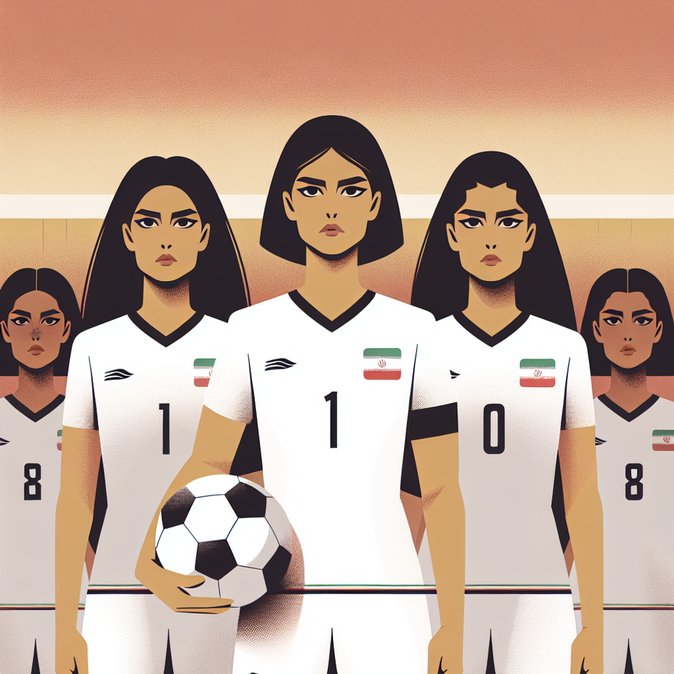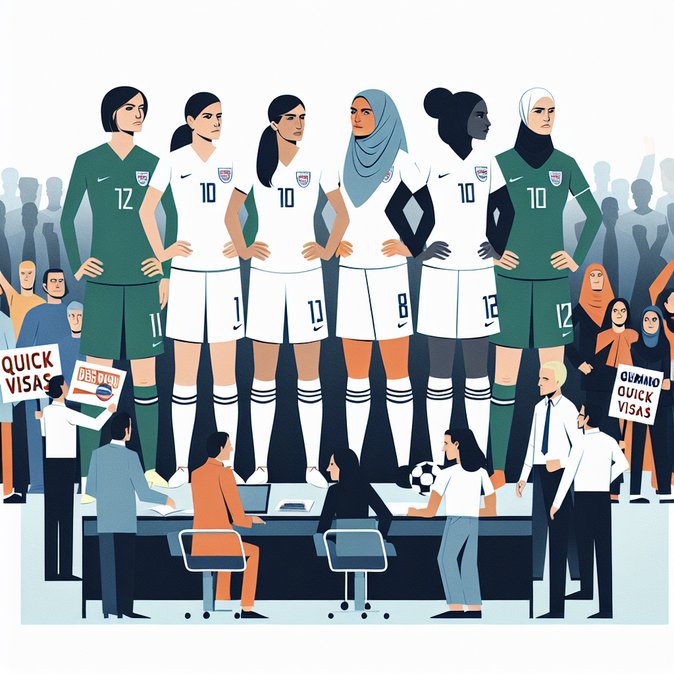
As the Women’s Asian Cup wrapped up on the Gold Coast, a very different drama was unfolding off the pitch on 9 March 2026. Players from Iran’s women’s national football team—labelled “traitors” by state television for their silent protest during the anthem—found themselves surrounded by Australian supporters pleading for them to stay. ABC News reports an atmosphere of “desperation and urgency” within the Iranian-Australian community, with activists and human-rights lawyers urging the government to offer protection visas before the team is forced onto a flight home. Demonstrators banged on the team bus after Iran’s final match, chanting “Let them go” and waving the pre-revolution lion-and-sun flag as police kept watch.
![Iranian women’s footballers weigh asylum bid as fears of persecution mount in Australia]()
For anyone suddenly thrust into the maze of humanitarian or emergency travel rules, VisaHQ’s Australia portal offers step-by-step guidance, rapid document checks and appointment booking that can speed up critical visa or transit applications—a resource that could prove invaluable not just for at-risk athletes but also for employers scrambling to safeguard staff. Learn more at https://www.visahq.com/australia/
Players told intermediaries they were under constant surveillance by minder staff believed to be linked to Iran’s Revolutionary Guard Corps. Foreign Minister Penny Wong declined to comment on individual cases but said Australia “stands in solidarity with the Iranian people.” Behind the scenes, Home Affairs officials and FIFA safety officers have been liaising to ensure the athletes can meet lawyers privately—an essential first step if they choose to lodge protection claims. For Australia’s refugee system the case is high-stakes. A fast-tracked decision would signal moral leadership during the widening Iran war but could also provoke diplomatic backlash from Tehran. Corporates employing Iranian nationals are watching closely; a precedent for rapid humanitarian visas may influence future talent-mobility planning, especially for staff who fear regime retaliation. Practically, mobility managers with Iranian employees should prepare contingency travel plans. With flights to Tehran suspended and regional tension rising, employee-relocation conversations now routinely include safety briefings and asylum-risk assessments—something few companies had on their checklists only weeks ago.

For anyone suddenly thrust into the maze of humanitarian or emergency travel rules, VisaHQ’s Australia portal offers step-by-step guidance, rapid document checks and appointment booking that can speed up critical visa or transit applications—a resource that could prove invaluable not just for at-risk athletes but also for employers scrambling to safeguard staff. Learn more at https://www.visahq.com/australia/
Players told intermediaries they were under constant surveillance by minder staff believed to be linked to Iran’s Revolutionary Guard Corps. Foreign Minister Penny Wong declined to comment on individual cases but said Australia “stands in solidarity with the Iranian people.” Behind the scenes, Home Affairs officials and FIFA safety officers have been liaising to ensure the athletes can meet lawyers privately—an essential first step if they choose to lodge protection claims. For Australia’s refugee system the case is high-stakes. A fast-tracked decision would signal moral leadership during the widening Iran war but could also provoke diplomatic backlash from Tehran. Corporates employing Iranian nationals are watching closely; a precedent for rapid humanitarian visas may influence future talent-mobility planning, especially for staff who fear regime retaliation. Practically, mobility managers with Iranian employees should prepare contingency travel plans. With flights to Tehran suspended and regional tension rising, employee-relocation conversations now routinely include safety briefings and asylum-risk assessments—something few companies had on their checklists only weeks ago.