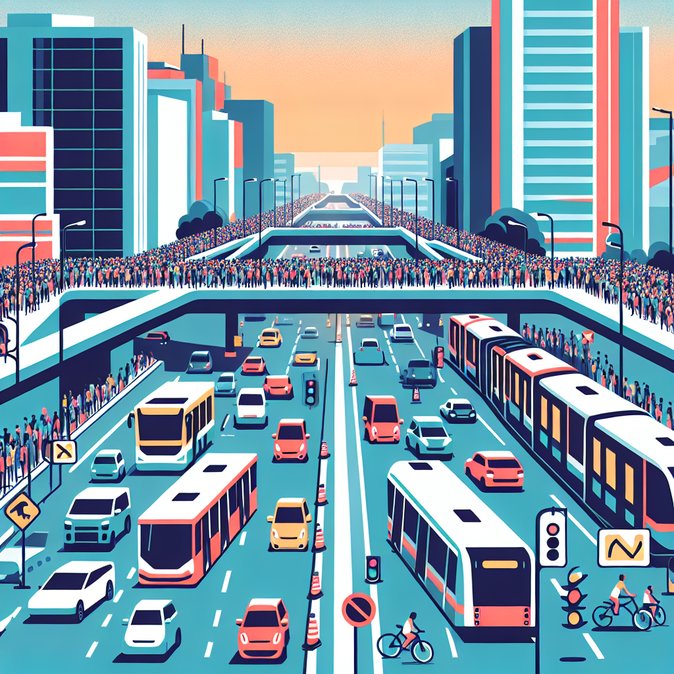
Thousands flooded main avenues across Brazil on Sunday, 8 March 2026, for nationwide demonstrations against gender-based violence. While largely peaceful, the gatherings brought extensive mobility challenges in urban cores that host the country’s largest expatriate communities and corporate headquarters. In São Paulo, Avenida Paulista was closed for six hours, pushing north-south bus corridors to Rua da Consolação and forcing ride-hailing apps to implement surge-pricing caps agreed with the municipal transport department.
![International Women’s Day marches clog traffic in 18 Brazilian capitals, prompting reroutes and extended metro hours]()
For expatriates and corporate travellers caught up in these sudden disruptions, VisaHQ’s Brazil portal (https://www.visahq.com/brazil/) offers rapid online visa extensions, real-time application tracking, and emergency document courier services that can be coordinated directly with HR mobility teams—helping employees keep travel plans on track even when demonstrations upend city logistics.
Brasília redirected airport shuttles after police blocked the Esplanada dos Ministérios, and Rio’s BRT Transbrasil Line 60 ran additional express buses to cope with overflow from Copacabana beach marches. Most city transport agencies pre-announced diversions, but real-time Waze and Moovit data show average car trip times doubling between 14:00 and 18:00. Business-travel security firms advised travellers to avoid central hotel check-ins until late evening and confirmed that a handful of intercity coaches were delayed leaving Tietê and Novo Rio terminals. For HR teams managing short-term assignees, the events reaffirm the importance of monitoring social-movement calendars—especially on dates with symbolic significance—when arranging airport transfers, meetings or relocation services. Companies with critical Sunday shift workers reported using flexible-work clauses or hotel day-rooms to mitigate absence risk.

For expatriates and corporate travellers caught up in these sudden disruptions, VisaHQ’s Brazil portal (https://www.visahq.com/brazil/) offers rapid online visa extensions, real-time application tracking, and emergency document courier services that can be coordinated directly with HR mobility teams—helping employees keep travel plans on track even when demonstrations upend city logistics.
Brasília redirected airport shuttles after police blocked the Esplanada dos Ministérios, and Rio’s BRT Transbrasil Line 60 ran additional express buses to cope with overflow from Copacabana beach marches. Most city transport agencies pre-announced diversions, but real-time Waze and Moovit data show average car trip times doubling between 14:00 and 18:00. Business-travel security firms advised travellers to avoid central hotel check-ins until late evening and confirmed that a handful of intercity coaches were delayed leaving Tietê and Novo Rio terminals. For HR teams managing short-term assignees, the events reaffirm the importance of monitoring social-movement calendars—especially on dates with symbolic significance—when arranging airport transfers, meetings or relocation services. Companies with critical Sunday shift workers reported using flexible-work clauses or hotel day-rooms to mitigate absence risk.