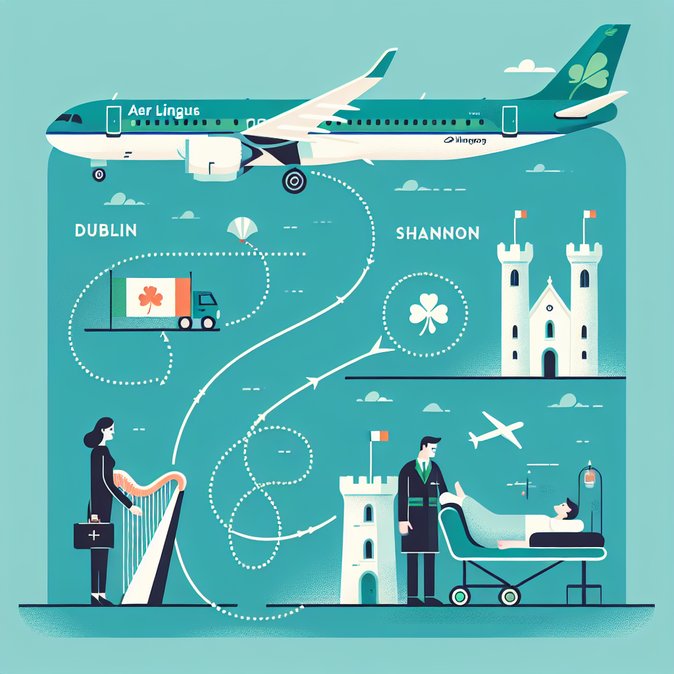
Aer Lingus flight EI-762, operating Dublin–Tenerife, declared a medical emergency 25 minutes after take-off on the morning of 7 March and diverted to Shannon Airport. The Airbus A320 landed safely at 08:28, where paramedics transferred a passenger to University Hospital Limerick. After a two-hour turnaround, the aircraft continued to the Canaries. While diversions for medical reasons are routine, the incident offers a timely reminder to corporate travel departments of the importance of pre-flight health screening and of including diversion clauses in service-level agreements. Under EU Regulation 261, passengers are not entitled to compensation for ‘extraordinary circumstances’ like medical emergencies, but employers may still face productivity losses and accommodation costs if itineraries unravel. Shannon Airport’s quick response showcased its role as Ireland’s designated diversion field for ETOPS-capable flights crossing the North Atlantic. Ground handlers activated a rapid-access immigration desk so that non-EU passengers could remain air-side, avoiding visa complications.
![Aer Lingus Dublin–Tenerife Flight Diverts to Shannon After On-Board Medical Emergency]()
Corporate travel planners can further safeguard their itineraries by pre-checking entry requirements before departure. Online services such as VisaHQ (https://www.visahq.com/ireland/) let Irish-based travellers verify whether transit or emergency visas might be needed, obtain fast-track documentation, and store digital copies of passports and permits—so an unscheduled landing anywhere in Europe or beyond doesn’t escalate into a paperwork crisis.
Medical diversions also highlight evolving airline policy: most carriers now equip long-haul aircraft with advanced tele-medicine kits, but shorter European sectors rely on cabin-crew first-aid and ground-based medical consults. Travel managers can mitigate disruption by ensuring employees carry essential medications in cabin baggage and by purchasing policies that cover diversion-related costs.
Corporate travel planners can further safeguard their itineraries by pre-checking entry requirements before departure. Online services such as VisaHQ (https://www.visahq.com/ireland/) let Irish-based travellers verify whether transit or emergency visas might be needed, obtain fast-track documentation, and store digital copies of passports and permits—so an unscheduled landing anywhere in Europe or beyond doesn’t escalate into a paperwork crisis.
Medical diversions also highlight evolving airline policy: most carriers now equip long-haul aircraft with advanced tele-medicine kits, but shorter European sectors rely on cabin-crew first-aid and ground-based medical consults. Travel managers can mitigate disruption by ensuring employees carry essential medications in cabin baggage and by purchasing policies that cover diversion-related costs.