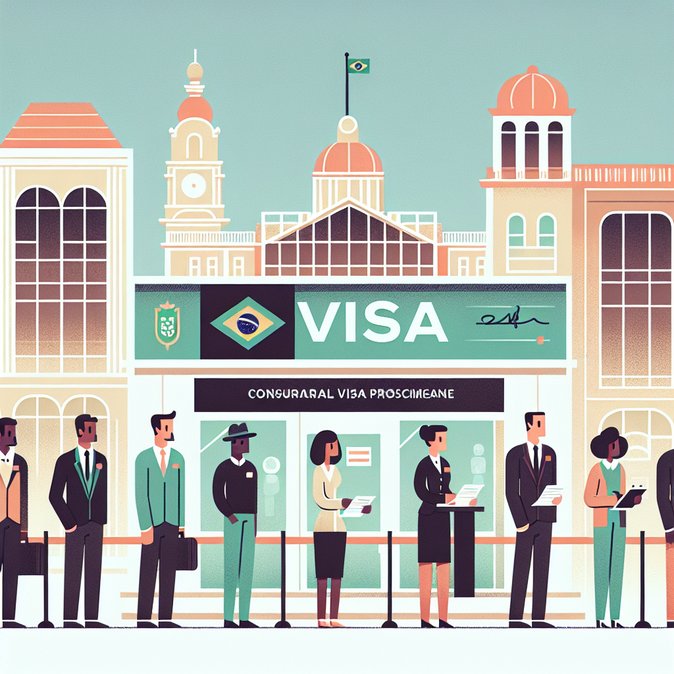
Brazilian nationals planning a trip to Portugal will soon have to factor an extra day—and possibly an extra domestic flight—into their schedules. Lisbon’s Ministry of Foreign Affairs confirmed that from 17 April 2026 all Brazilians seeking either a Schengen short-stay visa or a Portuguese long-stay visa will need to submit applications in person at one of nine VFS Global centres or at a Portuguese consulate. The decision ends the pandemic-era postal option that processed roughly 40 percent of the 105,000 Brazilian files lodged in 2025. Security first. Portuguese officials say more than 30 percent of couriered files arrived incomplete, forcing back-office staff to request missing documents and delaying issuance by up to three weeks. In-person appointments will allow biometric capture and on-the-spot document verification, reducing fraud and administrative churn.
![Portugal scraps postal visa channel: Brazilian applicants must appear in person from 17 April]()
For Brazilians who prefer expert help, VisaHQ’s Brazil desk (https://www.visahq.com/brazil/) can manage the paperwork review, schedule VFS slots and flag missing documents before you travel, trimming the risk of costly repeat visits.
Corporate headaches. Multinationals that regularly second staff to Portugal—particularly in energy, engineering and IT outsourcing—face higher compliance costs. An expatriate based in Manaus may have to fly to Brasília for biometrics, raising the average application cost by R$2,000 (about €350) once travel and accommodation are included. Relocation consultancies advise grouping applicants and booking premium time-slots in São Paulo or Rio de Janeiro to keep projects on track. Regional ripple. Immigration lawyers expect Spain and Italy—both heavy recipients of Brazilian applications—to watch Portugal’s results closely. If fraud rates fall, similar in-person mandates could spread across Schengen, further tightening mobility budgets for Brazilian employers. Practical tips. Applicants should preload scanned originals on the VFS portal, arrive with apostilled documents, and budget at least four weeks from booking to appointment as centres brace for last-minute demand ahead of Easter travel.

For Brazilians who prefer expert help, VisaHQ’s Brazil desk (https://www.visahq.com/brazil/) can manage the paperwork review, schedule VFS slots and flag missing documents before you travel, trimming the risk of costly repeat visits.
Corporate headaches. Multinationals that regularly second staff to Portugal—particularly in energy, engineering and IT outsourcing—face higher compliance costs. An expatriate based in Manaus may have to fly to Brasília for biometrics, raising the average application cost by R$2,000 (about €350) once travel and accommodation are included. Relocation consultancies advise grouping applicants and booking premium time-slots in São Paulo or Rio de Janeiro to keep projects on track. Regional ripple. Immigration lawyers expect Spain and Italy—both heavy recipients of Brazilian applications—to watch Portugal’s results closely. If fraud rates fall, similar in-person mandates could spread across Schengen, further tightening mobility budgets for Brazilian employers. Practical tips. Applicants should preload scanned originals on the VFS portal, arrive with apostilled documents, and budget at least four weeks from booking to appointment as centres brace for last-minute demand ahead of Easter travel.