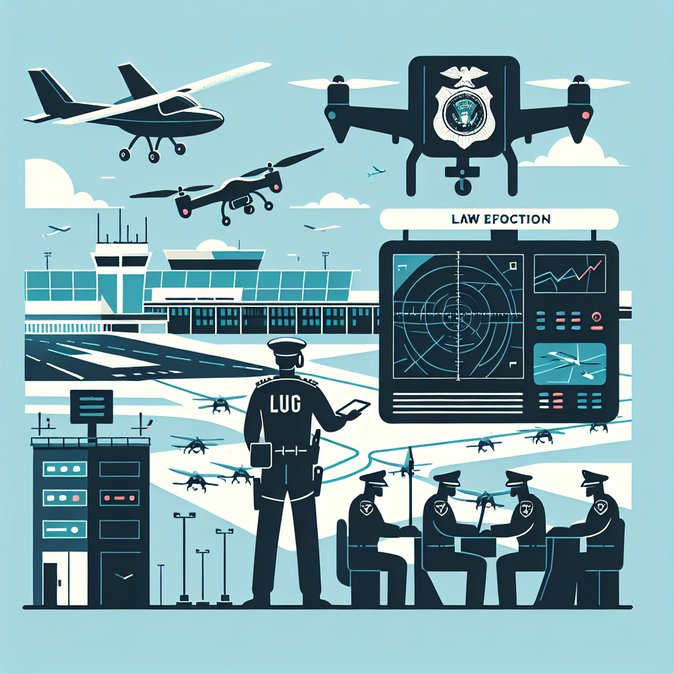
In a late-night sitting on 26 February, the German Bundestag approved the Second Act Amending the Aviation Security Act, a package designed to counter the growing threat posed by unmanned aerial vehicles over critical infrastructure. The law authorises the Federal Police, and—under strict conditions—the armed forces, to detect, disrupt and, if necessary, shoot down drones that endanger civil aviation. Authorities recorded more than 175 unauthorised drone incursions near German airports in 2025, double the 2024 figure.
![Bundestag amends Aviation Security Act, giving airports new powers against rogue drones]()
For international companies dispatching staff to Germany to brief airport authorities or attend security workshops, navigating Schengen visa paperwork can add an extra layer of complexity. VisaHQ can streamline the entire process by pre-checking documentation, lodging applications, and providing real-time tracking through its online dashboard—letting travel managers focus on the new operational rules rather than consular queues. More information is available at https://www.visahq.com/germany/
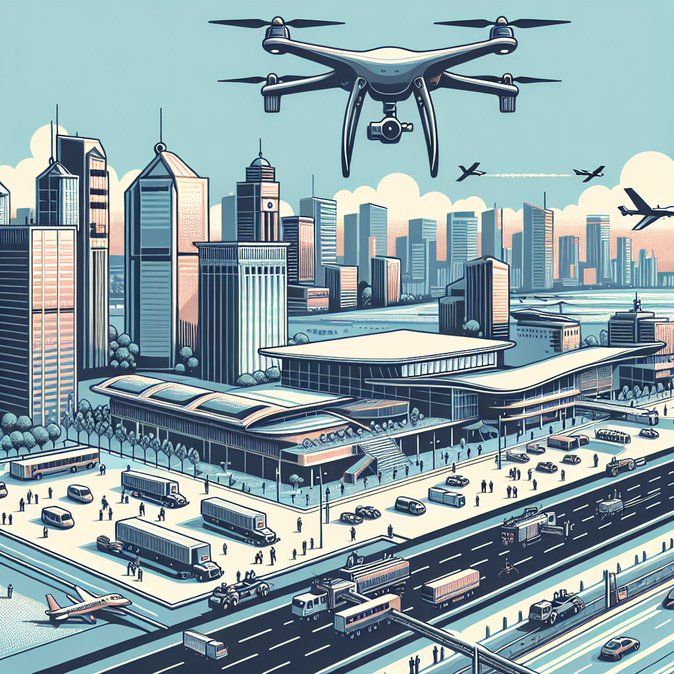
Several incidents forced brief closures at Frankfurt and Hamburg, costing airlines an estimated €19 million in diversion and duty-of-care expenses. Law-makers argue that existing rules left a gap when devices were launched from outside airport fences, hampering rapid response. Key provisions include a streamlined decision chain: instead of Cabinet-level approval, the Federal Defence Ministry can now authorise armed-forces support within minutes. Trespassing onto the secure side of an airport without authorisation is re-categorised from an administrative offence to a criminal one, carrying penalties of up to two years’ imprisonment. Airports are also empowered to deploy radio-frequency jammers and kinetic interceptors once certified by the German Air Traffic Control authority (DFS). For corporate travel managers, the changes mean a lower risk of unplanned runway closures, but also stricter landside security. Business-aviation operators will need to notify drone-detection systems of planned test flights well in advance, and logistics companies using drones for airside deliveries at hubs like Leipzig/Halle must obtain a new permit class. Civil-liberties advocates worry about military involvement in domestic security, but the Interior Ministry insists the armed forces’ role is limited to extraordinary cases where lives are at stake. The new regime takes effect on 1 April 2026, giving airports five weeks to update operating manuals and staff training.
For international companies dispatching staff to Germany to brief airport authorities or attend security workshops, navigating Schengen visa paperwork can add an extra layer of complexity. VisaHQ can streamline the entire process by pre-checking documentation, lodging applications, and providing real-time tracking through its online dashboard—letting travel managers focus on the new operational rules rather than consular queues. More information is available at https://www.visahq.com/germany/
Several incidents forced brief closures at Frankfurt and Hamburg, costing airlines an estimated €19 million in diversion and duty-of-care expenses. Law-makers argue that existing rules left a gap when devices were launched from outside airport fences, hampering rapid response. Key provisions include a streamlined decision chain: instead of Cabinet-level approval, the Federal Defence Ministry can now authorise armed-forces support within minutes. Trespassing onto the secure side of an airport without authorisation is re-categorised from an administrative offence to a criminal one, carrying penalties of up to two years’ imprisonment. Airports are also empowered to deploy radio-frequency jammers and kinetic interceptors once certified by the German Air Traffic Control authority (DFS). For corporate travel managers, the changes mean a lower risk of unplanned runway closures, but also stricter landside security. Business-aviation operators will need to notify drone-detection systems of planned test flights well in advance, and logistics companies using drones for airside deliveries at hubs like Leipzig/Halle must obtain a new permit class. Civil-liberties advocates worry about military involvement in domestic security, but the Interior Ministry insists the armed forces’ role is limited to extraordinary cases where lives are at stake. The new regime takes effect on 1 April 2026, giving airports five weeks to update operating manuals and staff training.