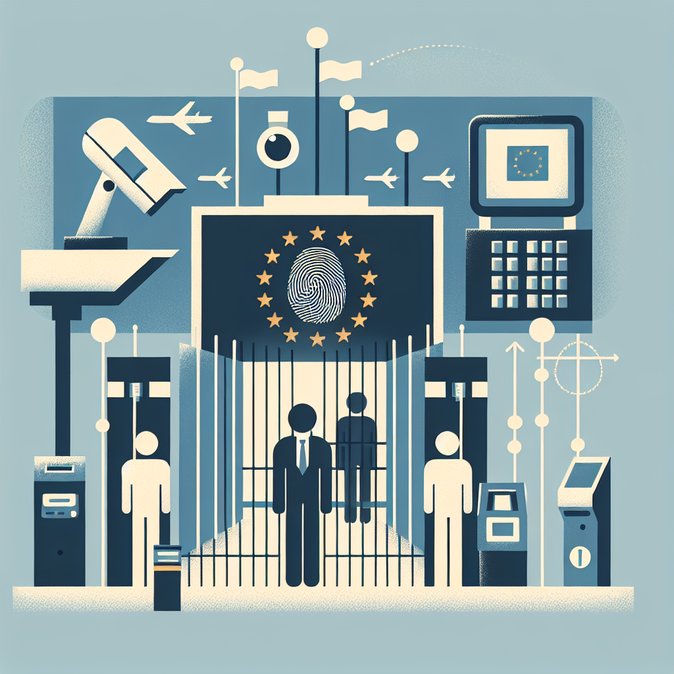
Fresh Frontex statistics released on 20 February 2026 show that detections of irregular entries at the EU’s external borders plunged to about 5,500 in January, down from 13,500 a year earlier. The agency attributes the slide to violent winter storms that battered Mediterranean routes—and to tougher land controls from Germany and several neighbours. While Germany is geographically far from the external frontier, its role as a primary destination makes the figures politically sensitive. The Interior Ministry hailed the data as proof that combined measures—external surveillance, the re-imposed national border checks and the gradual roll-out of the Entry/Exit System (EES)—are working. EES, operational since 12 October 2025, already captures biometric entries and exits at Frankfurt, Munich and Berlin airports. Land and seaport installations are on track for completion by 10 April 2026. Travellers scrambling to stay compliant amid these evolving rules can turn to VisaHQ’s Germany resource page (https://www.visahq.com/germany/), which consolidates the latest visa requirements, offers step-by-step application support and pushes instant updates on EES milestones—helping both corporate mobility teams and individual visitors avoid last-minute surprises. The system will automatically flag overstayers, replacing the current manual passport-stamp calculation. Corporate travel managers should expect longer queues for third-country nationals at German airports in the interim period, especially when weather disruptions divert flights. Experts recommend advising travellers to allow at least 45 minutes for the first-time EES enrolment. Frontex cautions that the same individual can be counted multiple times if intercepted repeatedly, and humanitarian groups underline that fatalities in the Mediterranean actually tripled year-on-year despite the numeric decline in crossings—a reminder that migration pressure may rebound once seas calm.